

India Announces New Restrictions On Select Imports Bangladesh
India has recently tightened import restrictions on Bangladesh, affecting key goods like ready-made garments, processed foods, and fruits. These changes significantly impact bilateral trade, reshaping the economic relationship between the two neighbors. Here’s a detailed breakdown of the latest developments:
Background and Context
India and Bangladesh share a strong trade partnership, with Bangladesh being India’s largest trading partner in South Asia. However, recent policy shifts indicate growing economic tensions and strategic realignments.
Dhaka has been gradually increasing trade reliance on China, benefiting from Chinese investments, duty-free exports, and infrastructure projects. In response, India has implemented import restrictions, possibly to protect domestic industries and assert trade influence.
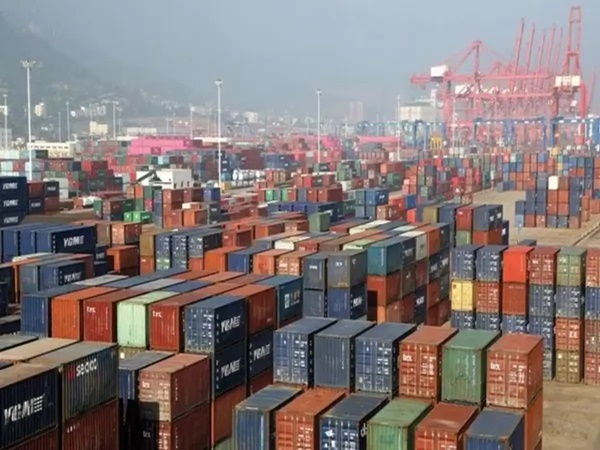
Key Import New Restrictions On Select Imports Bangladesh Imposed by India
India’s latest curbs on Bangladeshi imports affect several major sectors:
- Ready-made garments (worth $618 million annually) can now only enter India through Kolkata and Nhava Sheva seaports instead of land routes.
- Processed foods, plastic items, and wooden furniture face land port restrictions, limiting easy cross-border trade.
- Fruits, fruit-based beverages, and carbonated drinks must enter via specific land customs stations in Assam, Meghalaya, Tripura, Mizoram, and West Bengal.
- Cotton and cotton yarn waste imports, crucial for Bangladesh’s textile industry, now have tighter port-based entry requirements.
Impact on Bangladesh’s Economy/New Restrictions On Select Imports Bangladesh
Bangladesh’s garment industry, a major contributor to its $46 billion export market, faces a significant setback due to these new regulations. The restrictions mean longer transportation times and increased costs for manufacturers exporting to India. Additionally, processed food and fruit exports, crucial for smaller traders, are hit hard, leading to potential business losses and market instability.
India’s restriction on cotton imports could also cause disruptions in Bangladesh’s textile supply chain, which heavily depends on Indian raw materials. The Bangladeshi government might seek alternative sources, such as China or Vietnam, but at a higher cost, affecting production efficiency.
Why India Imposed These Restrictions
India cites three major reasons for these restrictions:
- Protecting Domestic Industries: Indian textile and MSME sectors have complained about unfair competition from Bangladeshi manufacturers benefiting from China’s duty-free fabric exports.
- Response to Bangladesh’s Trade Restrictions: Dhaka has recently imposed transit fees on Indian cargo, along with restrictions on Indian yarn, rice, and other imports.
- Geopolitical Shift Towards China: Bangladesh’s growing dependence on Chinese trade deals and investments has raised concerns in India about regional economic influence.
Future Outlook
The restrictions could lead to a diplomatic push for trade negotiations. Bangladesh might seek policy revisions or new trade deals with alternative partners to mitigate losses. Indian importers relying on Bangladeshi goods may struggle to maintain supply chains, potentially leading to price hikes in affected sectors.
If geopolitical tensions rise further, Bangladesh might deepen economic ties with China, potentially shifting regional trade dynamics. The Indian government may revisit policies if domestic businesses face unintended negative consequences.
https://wellnessnwealth.in/wp-admin/post.php?post=166&action=edit











Leave a Reply