

Dehydrated Tomato: A Long-Lasting, Flavourful Ingredient
Dehydrated tomatoes are dried tomatoes with the water removed. This process makes them last longer while keeping their rich flavour and nutrients.
1. What are the dehydrated tomatoes?
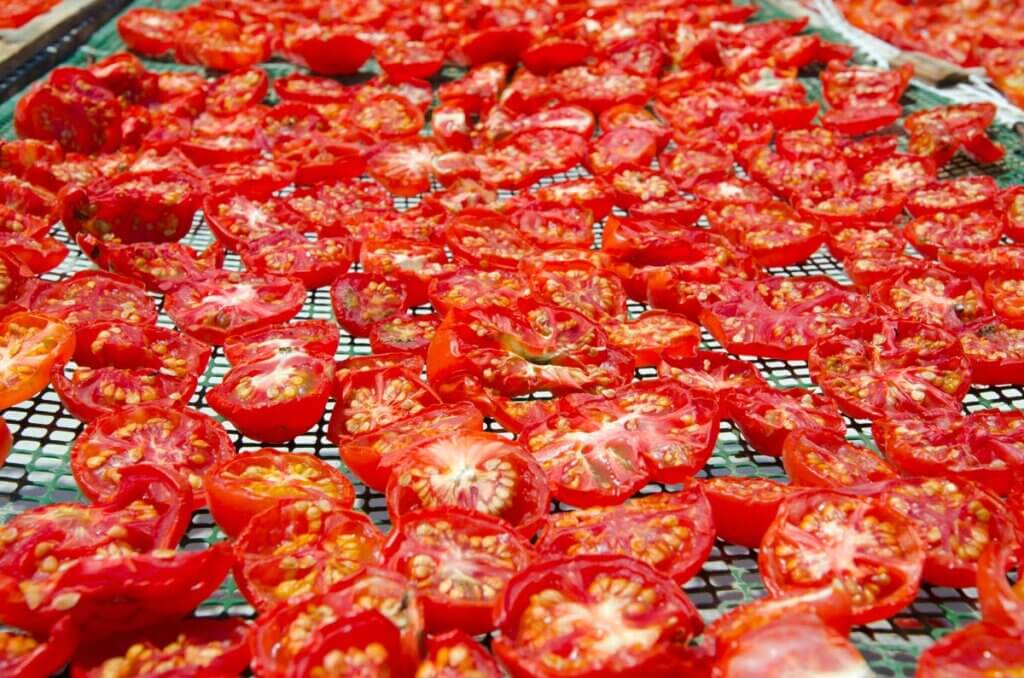
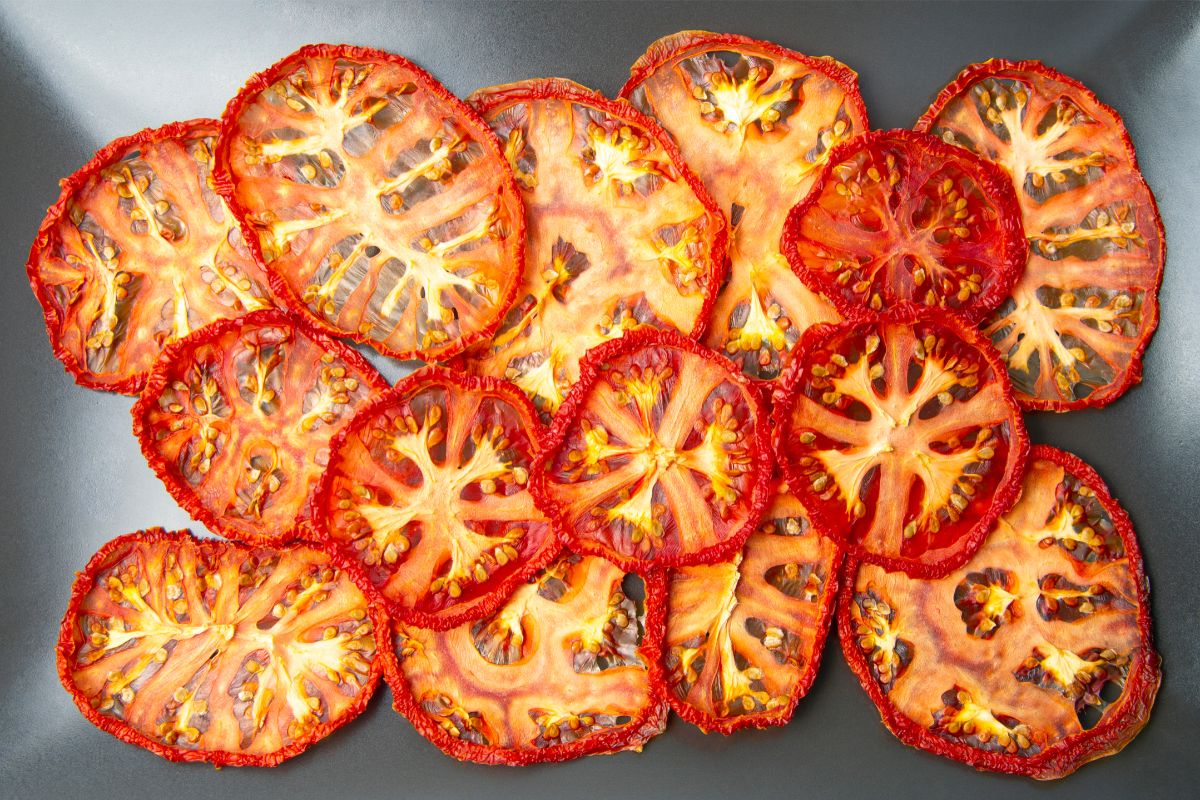
Dehydrated tomatoes are tomatoes that have had their moisture removed through drying methods such as sun-drying, air-drying, or using a food dehydrator.
This process concentrates their flavour, extends their shelf life, and makes them a convenient ingredient for various culinary uses.
Dehydration preserves many of their nutrients, including Fiber and vitamins like A and C, making them a great addition to soups, stews, sauces, and even snack mixes
2.What are the main uses for dehydrated tomatoes?
Dehydrated tomatoes are incredibly versatile and can be used in various ways:
- Cooking & Sauces – They add rich, concentrated flavor to soups, stews, pasta sauces, and curries.
- Pizza & Pasta Toppings – Rehydrated or crumbled, they enhance pizzas and pasta dishes with a burst of umami.
- Salads & Sandwiches – Chopped dehydrated tomatoes can be sprinkled over salads or layered in sandwiches for extra texture.
- Seasoning & Tomato Powder – Ground into powder, they serve as a seasoning for marinades, rubs, and dressings.
- Snacking – Eaten as-is or seasoned, they make a nutritious and flavourful snack.
- Preservation & Storage – Their long shelf life makes them ideal for food storage and emergency preparedness.
- Infused Oils & Pestos – Soaked in olive oil or blended into pesto, they create gourmet condiments.
- Baking & Breads – Added to bread dough or biscuits, they provide a Savory depth.
- Rehydration for Fresh Use – Soaked in water, they regain a texture similar to fresh tomatoes for recipes.
- Charcuterie Boards – Paired with cheeses and meats, they elevate appetizer platters.
3. What nutrients and vitamins do dehydrated tomatoes retain?
Dehydrated tomatoes retain several essential nutrients and vitamins, making them a nutritious addition to meals. Here are some key components:
- Lycopene – A powerful antioxidant that helps protect against certain diseases and supports heart health.
- Vitamin C – Though reduced during dehydration, some remains, aiding immune function and skin health.
- Vitamin K – Important for blood clotting and bone health.
- Niacin (Vitamin B3) – Supports metabolism and energy production.
- Potassium – Helps regulate blood pressure and muscle function.
- Fiber – Promotes digestive health and supports gut function.
- Copper & Manganese – Essential for enzyme function and overall metabolic processes.
4. What’s the typical shelf life of dehydrated tomatoes?
Dehydrated tomatoes can last 6 to 12 months when stored in a cool, dry place with proper packaging. If kept in an airtight container, their shelf life can extend to 12 to 18 months. Refrigeration can further prolong their freshness to 18 to 24 months, while freezing can keep them good for 2 to 3 years.
https://mypersonalmenus.com/do-dried-tomatoes-go-bad/
5. How do dehydrated tomatoes compare with fresh tomatoes in nutritional value?
Dehydrated tomatoes differ from fresh tomatoes in several ways nutritionally:
- Higher Concentration of Nutrients – Since dehydration removes water, nutrients like fiber, potassium, iron, and certain B vitamins become more concentrated.
- Lycopene Bioavailability – Lycopene, a powerful antioxidant, is more bioavailable in dehydrated tomatoes due to heat exposure during drying.
- Reduced Vitamin C – Water-soluble vitamins like Vitamin C degrade during dehydration, making fresh tomatoes a better source.
- More Calories – Due to the lack of water, dehydrated tomatoes have higher calorie density compared to fresh ones.
- Longer Shelf Life – Dehydrated tomatoes last months to years, while fresh tomatoes spoil quickly.
6. How do different drying methods affect the flavour of dehydrated tomatoes?
Different drying methods impact the flavor of dehydrated tomatoes in unique ways:
- Sun Drying – Produces a deep, rich, and slightly caramelized flavor due to natural exposure to sunlight. However, it may take longer and be affected by weather conditions.
- Oven Drying – Results in a more controlled drying process, preserving a balanced tomato taste with mild sweetness.
- Dehydrator Drying – Maintains a fresher tomato flavor with minimal loss of nutrients, offering a consistent taste.
- Vacuum Drying – Enhances the natural sweetness and umami of tomatoes while preserving their color and texture.
- Spray Drying – Often used for tomato powder, this method creates a concentrated tomato essence with a slightly processed taste.
Each method affects moisture retention, texture, and overall taste differently2. Would you like recommendations on the best drying method for your needs?
7. How are dehydrated tomatoes typically stored?
Dehydrated tomatoes should be stored properly to maintain their flavor and longevity. Here are the best storage methods:
- Airtight Containers – Store them in glass jars or vacuum-sealed bags to prevent moisture absorption.
- Cool, Dark Place – Keep them in a pantry or cupboard away from direct sunlight and humidity.
- Refrigeration – Extends shelf life up to 18 months when stored in an airtight container.
- Freezing – For long-term storage, freezing can keep them fresh for 2 to 3 years.
- Oil Preservation – Storing them in olive oil with herbs enhances flavor but reduces shelf life.
8. What are the best methods for rehydrating dehydrated tomatoes?
Rehydrating dehydrated tomatoes is simple and enhances their texture and flavor. Here are the best methods:
- Warm Water Soak – Place tomatoes in a bowl and cover with warm water. Let them soak for 30 minutes until soft.
- Broth or Wine Soak – For extra flavor, soak them in vegetable broth or wine instead of water.
- Oil Infusion – Submerge tomatoes in olive oil for 24 hours, adding garlic and herbs for a rich taste.
- Direct Cooking – Add dehydrated tomatoes directly to soups, stews, or sauces, letting them absorb moisture while cooking.
- Microwave Method – Place tomatoes in a bowl with water, cover, and microwave for 1-2 minutes to speed up rehydration.
9. What are the common culinary uses for dehydrated tomatoes?
Dehydrated tomatoes are a powerhouse ingredient in the kitchen, offering intense flavor and versatility. Here are some common culinary uses:
- Sauces & Soups – Rehydrated tomatoes add depth to pasta sauces, soups, and stews.
- Pizza & Pasta – Used as toppings or blended into sauces for a rich, umami taste.
- Salads & Sandwiches – Chopped or crumbled, they enhance texture and flavor.
- Seasoning & Tomato Powder – Ground into powder for marinades, rubs, and dressings.
- Snacking – Eaten as-is or seasoned for a nutritious snack.
- Infused Oils & Pestos – Soaked in olive oil or blended into pesto for gourmet condiments.
- Baking & Breads – Added to bread dough or biscuits for a savory twist.
- Charcuterie Boards – Paired with cheeses and meats for an elevated appetizer.
- Direct Cooking – Tossed into dishes like stir-fries or casseroles for concentrated flavor.
- Rehydration for Fresh Use – Soaked in water to regain a texture similar to fresh tomatoes.
10. How do dehydrated tomatoes contribute to food preservation?
Dehydrated tomatoes play a significant role in food preservation by extending shelf life and reducing food waste. Here’s how:
- Moisture Removal – Dehydration eliminates water content, preventing bacterial growth and spoilage.
- Long-Term Storage – Properly stored dehydrated tomatoes can last 6 months to 3 years, making them ideal for food security.
- Nutrient Retention – While some vitamins like Vitamin C decrease, antioxidants like lycopene remain intact, ensuring nutritional value.
- Compact & Lightweight – Dehydrated tomatoes take up less space, making them convenient for storage and transport.
- Emergency & Seasonal Use – They provide a reliable food source during off-seasons or emergencies.
- Versatile Applications – Used in soups, sauces, and powders, they help reduce reliance on fresh produce.
11. Can dehydrated tomatoes be part of a sustainable diet?
Yes, dehydrated tomatoes can be a great addition to a sustainable diet! Here’s why:
- Reduced Food Waste – Dehydration extends shelf life, preventing spoilage and reducing waste.
- Energy Efficiency – Compared to canning, dehydration requires less energy and fewer resources.
- Seasonal Availability – Allows for year-round use of tomatoes without relying on out-of-season imports.
- Compact Storage – Requires less space, making transportation and storage more efficient.
- Minimal Packaging – Reduces reliance on plastic packaging compared to store-bought processed foods.
- Versatile Use – Can be rehydrated for fresh-like texture or used in powdered form for seasoning.
12. What is the environmental impact of using dehydrated tomatoes?
Dehydrated tomatoes have both positive and negative environmental impacts:
Positive Impacts
- Reduced Food Waste – Extending shelf life minimizes spoilage and waste.
- Lower Transportation Emissions – Dehydrated tomatoes weigh less, reducing carbon emissions from transport.
- Energy Efficiency – Compared to canning, dehydration requires less energy and fewer resources.
- Sustainable Storage – Long shelf life reduces reliance on refrigeration, lowering energy consumption.
Negative Impacts
- Water Usage in Cultivation – Tomato farming requires significant water resources.
- Energy Consumption in Drying – Some dehydration methods, like oven drying, use high energy.
- Packaging Waste – Commercial dehydrated tomatoes may come in plastic packaging, contributing to waste.
13. How do dehydrated tomatoes impact food security?
Dehydrated tomatoes contribute to food security in several ways:
- Extended Shelf Life – They last much longer than fresh tomatoes, reducing spoilage and ensuring availability during off-seasons.
- Reduced Food Waste – Dehydration prevents tomatoes from going to waste, making them a sustainable food option.
- Emergency Food Supply – Their long shelf life makes them ideal for disaster preparedness and food aid programs.
- Nutrient Retention – While some vitamins like Vitamin C decrease, antioxidants like lycopene remain intact, ensuring nutritional value.
- Economic Benefits – Dehydrated tomatoes can be produced and stored efficiently, supporting local farmers and food industries.
- Global Trade & Accessibility – They can be transported easily, making them accessible in regions with limited fresh produce availability.
14. What are some popular recipes featuring dehydrated tomatoes?
Dehydrated tomatoes add a rich, concentrated flavor to various dishes. Here are some popular recipes featuring them:
- Sun-Dried Tomato Pesto – A flavorful blend of dehydrated tomatoes, basil, garlic, pine nuts, and olive oil.
- Mac & Cheese with Sun-Dried Tomatoes – A creamy, cheesy dish with a tangy tomato twist.
- Vegan Sun-Dried Tomato & Basil Meatballs – A plant-based alternative packed with umami flavor.
- Marry Me Chicken – A creamy chicken dish with a sun-dried tomato sauce that’s irresistible.
- Sun-Dried Tomato White Bean Soup – A hearty, comforting soup with deep tomato flavor.
- Sun-Dried Tomato Grilled Cheese – A gourmet twist on a classic sandwich.
- Sun-Dried Tomato Pasta – A simple yet delicious pasta dish with garlic, olive oil, and dehydrated tomatoes.
- Sun-Dried Tomato Bread – A savory bread infused with tomato and herbs.
- Sun-Dried Tomato Powder Seasoning – Ground dehydrated tomatoes used as a seasoning for various dishes.
- Sun-Dried Tomato Infused Olive Oil – A gourmet oil perfect for drizzling over salads and pasta.
15. Can dehydrated tomatoes be used in skincare or other non-culinary applications?
Yes! Dehydrated tomatoes can be used in skincare and other non-culinary applications due to their rich antioxidant and vitamin content. Here are some ways they can be beneficial:
- Brightening & Anti-Aging – Lycopene and Vitamin C help reduce pigmentation and fight free radicals that cause aging.
- Oil Control – Tomatoes have natural astringent properties that help balance oily skin.
- Acne Treatment – Their antibacterial properties help prevent breakouts and shrink pores.
- Sunburn Relief – Tomato juice has a cooling effect that soothes sunburn and reduces redness.
- Exfoliation – Tomato-based scrubs help remove dead skin cells and improve texture.
- Natural Dye – Tomato extracts can be used in textiles and cosmetics for natural coloring.
- Plant Fertilizer – Tomato pulp can be composted to enrich soil nutrients.
- DIY Face Masks – Mixed with honey or yogurt, dehydrated tomato powder can be used for skin hydration.
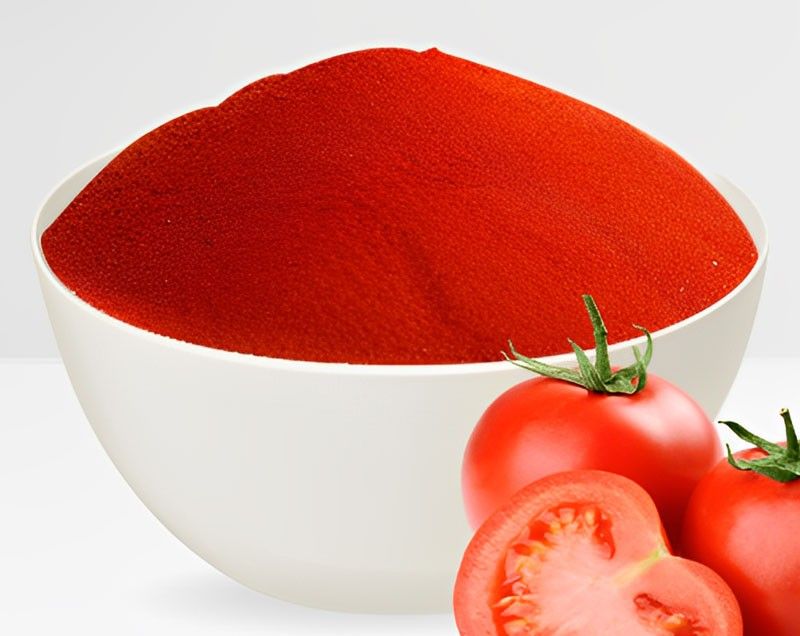
16. what is difference between Dehydrated Tomato slice and powder?
Dehydrated tomato slices and tomato powder serve different purposes in cooking and food storage:
- Texture & Form:
- Tomato Slices – Retain their shape and chewy texture, making them ideal for direct use in dishes like salads, pizzas, and sandwiches.
- Tomato Powder – Finely ground, offering a smooth consistency that blends easily into soups, sauces, and spice mixes.
- Flavor Intensity:
- Slices – Provide a deep, slightly sweet, and chewy tomato taste.
- Powder – More concentrated, delivering a tangy, umami-rich flavor that enhances dishes without altering texture.
- Usage:
- Slices – Used as toppings, snacks, or rehydrated for fresh-like texture.
- Powder – Works well in seasoning blends, dry rubs, and instant tomato-based recipes.
- Convenience:
- Slices – Require chopping or soaking before use.
- Powder – Instantly dissolves into liquids, making it more versatile for cooking.






Leave a Reply