

Dehydrated Lemon: A Tangy, Long-Lasting Citrus Ingredient
-
What is the dehydrated lemon?
Dehydrated lemon refers to lemons that have had their moisture removed through drying methods like air-drying, oven-drying, or using a dehydrator. This process preserves their intense citrus flavor while extending their shelf life. Dehydrated lemons can be used in teas, marinades, desserts, and spice blends. They are also ground into lemon powder for seasoning and baking

-
What are the main uses for dehydrated lemon?
Dehydrated lemon is a versatile ingredient with many uses:
- Cooking & Baking – Adds a concentrated citrus flavor to marinades, sauces, and desserts.
- Tea & Beverages – Used in herbal teas, cocktails, and infused water for a refreshing taste.
- Seasoning & Spice Blends – Ground into powder for rubs, dressings, and seasoning mixes.
- Preservation & Storage – Long shelf life makes it ideal for food storage and emergency preparedness.
- Skincare & DIY Beauty – Used in homemade face masks and scrubs for brightening and exfoliation.
- Natural Cleaning – Acts as a deodorizer and antibacterial agent for household cleaning.
- Decor & Crafts – Dried lemon slices are used in potpourri, wreaths, and decorative displays.
-
What nutrients and vitamins do dehydrated lemon retain?
Dehydrated lemons retain many essential nutrients and vitamins, making them a great addition to meals and wellness routines. Here are some key components:
- Vitamin C – A powerful antioxidant that supports immune function and skin health.
- Potassium – Helps regulate blood pressure and muscle function.
- Vitamin B6 – Aids in metabolism and energy production.
- Fiber – Promotes digestive health and supports gut function.
- Citric Acid – Enhances digestion and helps prevent kidney stones.
- Flavonoids – Provide anti-inflammatory and heart-protective benefits.
-
What’s the typical shelf life of dehydrated lemon?
Dehydrated lemons can last several months to a year when stored properly. If kept in airtight containers in a cool, dark place, they maintain their flavor and quality for an extended period. Refrigeration can further prolong their shelf life, while freezing can keep them fresh for even longer.
Would you like tips on the best storage methods to maximize their longevity?
Here are the best storage methods to keep dehydrated lemons fresh for longer:
- Airtight Containers – Store them in glass jars or vacuum-sealed bags to prevent moisture absorption.
- Cool, Dark Place – Keep them in a pantry or cupboard away from direct sunlight and humidity.
- Refrigeration – Extends shelf life by keeping them dry and fresh.
- Avoid Plastic Bags – Use food-safe containers to prevent exposure to air and moisture.
- Label & Date – Track storage time to ensure freshness.

-
How do dehydrated lemon compare with fresh lemon in nutritional value?
Dehydrated lemons and fresh lemons differ in nutritional value due to the dehydration process:
- Vitamin C – Fresh lemons contain significantly more Vitamin C, which is reduced during dehydration.
- Mineral Concentration – have higher concentrations of potassium, iron, and copper due to water removal.
- Fiber Content – Retain fiber, making them beneficial for digestion.
- Caloric Density – Dehydrated lemons have more calories per gram compared to fresh lemons.
- Shelf Life – last much longer than fresh lemons, making them ideal for storage.
-
How do different drying methods affect the flavour of dehydrated lemon?
Different drying methods impact the flavor of dehydrated lemons in unique ways:
- Air Drying – Preserves a natural citrus taste but may result in a slightly muted flavor due to prolonged exposure to air.
- Oven Drying – Produces a more caramelized, slightly roasted lemon flavor due to heat exposure.
- Dehydrator Drying – Maintains a fresher lemon taste with minimal loss of essential oils.
- Microwave Drying – Enhances the sweetness and preserves flavonoids but may alter texture.
- Infrared Drying – Intensifies the citrus aroma while improving oil retention capacity
-
How are dehydrated lemon typically stored?
Dehydrated lemons should be stored properly to maintain their flavor and longevity. Here are the best storage methods:
- Airtight Containers – Store them in glass jars or vacuum-sealed bags to prevent moisture absorption.
- Cool, Dark Place – Keep them in a pantry or cupboard away from direct sunlight and humidity.
- Refrigeration – Extends shelf life by keeping them dry and fresh.
- Avoid Plastic Bags – Use food-safe containers to prevent exposure to air and moisture.
- Label & Date – Track storage time to ensure freshness.
-
What are the best methods for rehydrating dehydrated lemon?
Rehydrating dehydrated lemon is simple and enhances its flavor and texture. Here are the best methods:
- Warm Water Soak – Place lemon slices in a bowl and cover with warm water. Let them soak for 15-30 minutes until softened.
- Tea or Infused Water – Add dehydrated lemon directly to hot tea or cold water for a refreshing citrus infusion.
- Broth or Juice Soak – Soak in vegetable broth or lemon juice for extra flavor before using in recipes.
- Oil Infusion – Submerge lemon slices in olive oil for 24 hours, adding herbs for a gourmet touch.
- Direct Cooking – Toss dehydrated lemon into soups, stews, or sauces, letting them absorb moisture while cooking.
-
What are the common culinary uses for dehydrated lemon?
Dehydrated lemon is a powerhouse ingredient in the kitchen, offering intense citrus flavor and versatility. Here are some common culinary uses:
- Tea & Infused Water – Adds a refreshing citrus boost to herbal teas and flavored water.
- Seasoning & Spice Blends – Ground into powder for marinades, rubs, and dressings.
- Baking & Desserts – Used in cakes, cookies, and pastries for a tangy twist.
- Cocktails & Beverages – Enhances drinks like lemonades, mocktails, and cocktails.
- Sauces & Marinades – Adds depth to sauces, salad dressings, and meat marinades.
- Soups & Stews – Provides a bright acidity to balance rich flavors.
- Snacking & Garnishing – Eaten as-is or used as a garnish for dishes.
- Infused Oils & Vinegars – Soaked in olive oil or vinegar for gourmet condiments.
-
How do dehydrated lemon contribute to food preservation?
Dehydrated lemons play a key role in food preservation by extending shelf life and reducing waste. Here’s how:
- Moisture Removal – Dehydration eliminates water content, preventing bacterial growth and spoilage.
- Long-Term Storage – Properly stored dehydrated lemons can last up to a year, ensuring availability beyond their fresh counterpart.
- Nutrient Retention – While some vitamins like Vitamin C decrease, essential minerals and antioxidants remain intact.
- Compact & Lightweight – Dehydrated lemons take up less space, making them convenient for storage and transport.
- Emergency & Seasonal Use – They provide a reliable food source during off-seasons or emergencies.
- Versatile Applications – Used in teas, seasonings, and cleaning solutions, they help reduce reliance on fresh produce
-
Can dehydrated lemon be part of a sustainable diet?
Dehydrated lemons can be a great addition to a sustainable diet. Here’s why:
- Reduced Food Waste – Dehydration extends shelf life, preventing spoilage and reducing waste.
- Energy Efficiency – Compared to refrigeration or canning, dehydration requires less energy.
- Seasonal Availability – Allows for year-round use of lemons without relying on out-of-season imports.
- Compact Storage – Requires less space, making transportation and storage more efficient.
- Minimal Packaging – Reduces reliance on plastic packaging compared to store-bought processed foods.
- Versatile Use – Can be rehydrated for fresh-like texture or used in powdered form for seasoning.
-
What is the environmental impact of using dehydrated lemon?
Dehydrated lemons have both positive and negative environmental impacts:
- Reduced Food Waste – Extending shelf life minimizes spoilage and waste.
- Lower Transportation Emissions – Dehydrated lemons weigh less, reducing carbon emissions from transport.
- Energy Efficiency – Compared to refrigeration, dehydration requires less energy.
- Upcycling Byproducts – Some companies use discarded lemon peels for dehydration, reducing waste.
- Water Usage in Cultivation – Lemon farming requires significant water resources.
- Energy Consumption in Drying – Some dehydration methods, like oven drying, use high energy.
- Packaging Waste – Commercial lemons may come in plastic packaging, contributing to waste

-
How do dehydrated lemon impact food security?
Dehydrated lemons contribute to food security in several ways:
- Extended Shelf Life – They last much longer than fresh lemons, reducing spoilage and ensuring availability year-round.
- Reduced Food Waste – Dehydration prevents lemons from going to waste, making them a sustainable food option.
- Emergency Food Supply – Their long shelf life makes them ideal for disaster preparedness and food aid programs.
- Nutrient Retention – While some vitamins like Vitamin C decrease, essential minerals and antioxidants remain intact.
- Economic Benefits – Dehydrated lemons can be produced and stored efficiently, supporting local farmers and food industries.
- Global Trade & Accessibility – They can be transported easily, making them accessible in regions with limited fresh produce availability
-
What are some popular recipes featuring dehydrated lemon?
Dehydrated lemon adds a bright, tangy flavor to various dishes. Here are some popular recipes featuring it:
- Moroccan Chicken Rice Dinner – A flavorful dish infused with spices, raisins, and dried apricots, perfect for a one-skillet meal. Check out the recipe here.
- Fireside Cocktail – A warmly spiced brandy-based drink with citrus bitters, ideal for cozy evenings. Find the recipe here.
- Gluten-Free Hot Cross Buns – Soft, lightly sweetened buns flavored with warm spices, orange zest, and dried fruit. See the recipe here.
- Best Kale Salad – A refreshing salad with massaged kale, dried cranberries, almonds, and a creamy lemon parmesan dressing. Try it here.
-
Can dehydrated lemon be used in skincare or other non-culinary applications?
Dehydrated lemon has several skincare and non-culinary applications:
- Brightening & Exfoliation – Citric acid helps remove dead skin cells and improve skin tone.
- Oil Control – Lemon’s natural astringent properties help balance oily skin.
- Acne Treatment – Antibacterial effects help prevent breakouts and shrink pores.
- Anti-Aging – Vitamin C supports collagen production, reducing fine lines and wrinkles.
- DIY Face Masks – Mixed with honey or yogurt, lemon powder can hydrate and refresh skin.
- Natural Cleaning – Lemon powder acts as a deodorizer and antibacterial agent for household cleaning.
- Aromatherapy & Potpourri – Dried lemon slices add a fresh citrus scent to spaces.
- Textile Dyeing – Lemon extracts can be used for natural fabric coloring.
- Gardening & Composting – Lemon peels enrich soil nutrients when composted
-
What is difference between Dehydrated Lemon slice and powder?
Dehydrated lemon slices and lemon powder serve different purposes in cooking and food storage:
- Texture & Form:
- Lemon Slices – Retain their shape and chewy texture, making them ideal for direct use in teas, garnishes, and cooking.
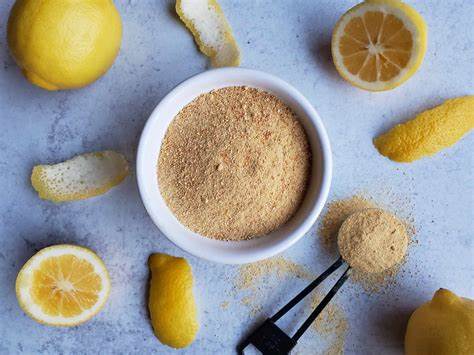
- Lemon Powder – Finely ground, offering a smooth consistency that blends easily into spice mixes, marinades, and baked goods.
- Flavor Intensity:
- Slices – Provide a deep, slightly sweet, and chewy lemon taste.
- Powder – More concentrated, delivering a tangy, citrus-rich flavor that enhances dishes without altering texture.
- Usage:
- Slices – Used as toppings, snacks, or rehydrated for fresh-like texture.
- Powder – Works well in seasoning blends, dry rubs, and instant lemon-based recipes.
- Convenience:
- Slices – Require chopping or soaking before use.
- Powder – Instantly dissolves into liquids, making it more versatile for cooking.






Leave a Reply