


Dehydrated Food Benefits for Health: A Comprehensive Guide
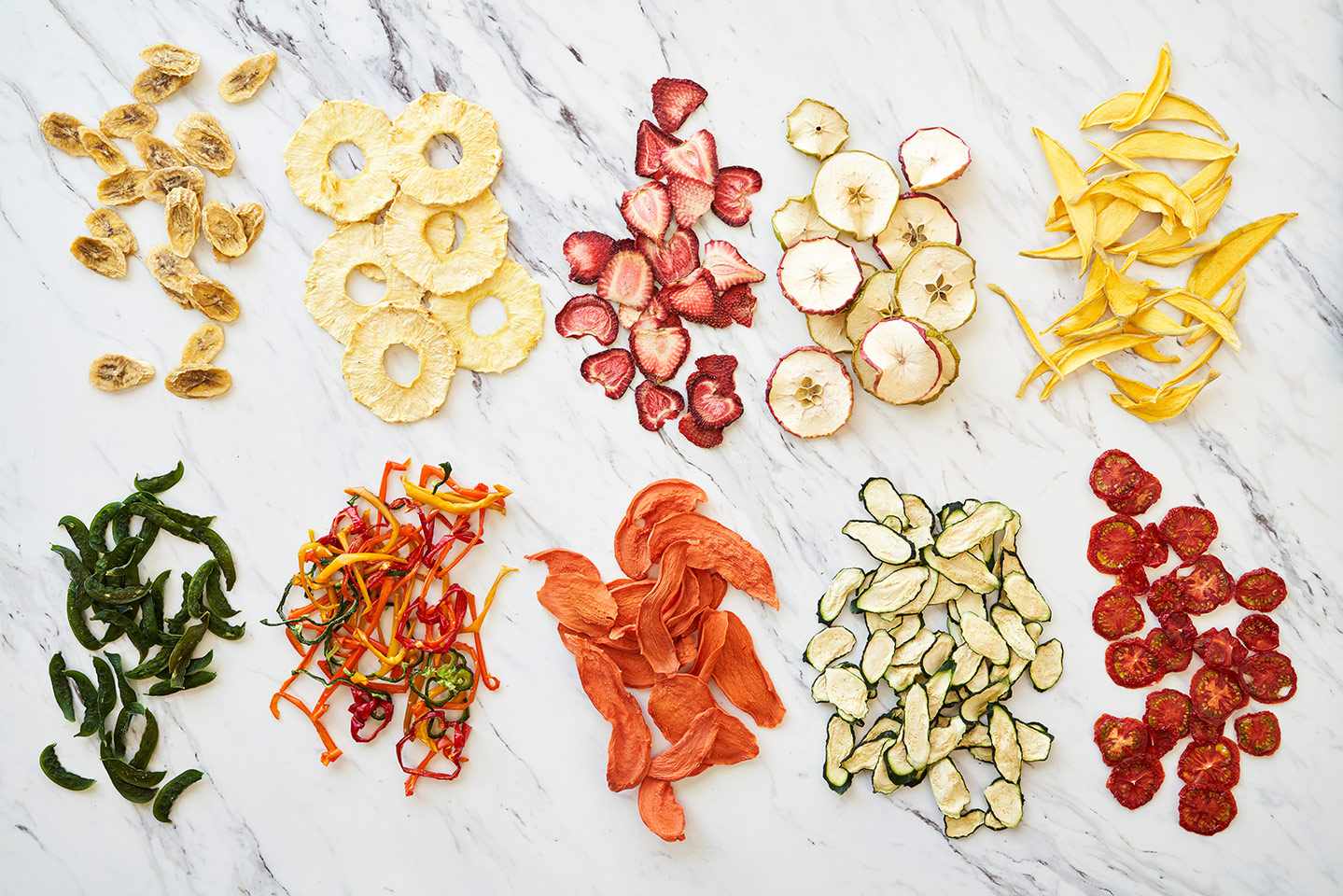
Dehydrated food
This Food has been a staple in human diets for centuries, offering a convenient and nutritious way to preserve food while maintaining its essential nutrients. Whether you’re looking for a healthy snack, a long-lasting food option, or a way to reduce food waste, dehydration provides numerous benefits. In this guide, we’ll explore the nutritional advantages, health benefits, and practical uses of the food.
- What is Dehydrated Food?
Food that has had its water content removed through various drying methods, such as air drying, freeze drying, or using a food dehydrator. This process extends shelf life, prevents bacterial growth, and retains most of the food’s original nutrients.
Common dehydrated foods include:
- Fruits: Apples, bananas, mangoes, berries
- Vegetables: Carrots, tomatoes, bell peppers, mushrooms
- Herbs & Spices: Basil, oregano, thyme, garlic powder
- Proteins: Beef jerky, dried fish, tofu
- Grains & Legumes: Lentils, chickpeas, oats
-
Nutritional Benefits of Dehydrated Food
Retains Essential Nutrients
Unlike other preservation methods, dehydration maintains most vitamins, minerals, and antioxidants. Studies show that dried fruits like cranberries and plums contain twice the amount of antioxidants compared to their fresh counterparts.
High in Fiber
Dehydrated fruits and vegetables retain their Fiber content, which aids digestion and promotes gut health. Fiber helps regulate blood sugar levels and supports weight management.
Rich in Natural Enzymes
Since dehydration occurs at low temperatures, it preserves natural enzymes that support digestion and metabolism.
No Preservatives or Chemicals
Unlike processed snacks, dehydrated food contains no artificial additives, preservatives, or excess sodium, making it a healthier alternative.
-
Health Benefits of Dehydrated Food
Boosts Immunity
Dehydrated fruits and vegetables are packed with vitamins A, C, and E, which strengthen the immune system and protect against infections.
Supports Heart Health
Many dehydrated foods, such as dried berries and nuts, contain heart-healthy antioxidants that reduce inflammation and lower cholesterol levels.
Improves Digestion
The high Fiber content in dehydrated food promotes gut health by preventing constipation and supporting beneficial gut bacteria.
Helps with Weight Management
Dehydrated food is low in fat and high in nutrients, making it an excellent choice for weight-conscious individuals. Since it’s nutrient-dense, it keeps you full longer.
Reduces Cancer Risk
Research suggests that dried fruits and vegetables may help reduce the risk of certain cancers, including pancreatic and stomach cancer.
-
Practical of Uses
Convenient & Portable
Dehydrated food is lightweight and easy to store, making it ideal for travel, hiking, and emergency preparedness.
Long Shelf Life
Unlike fresh produce, dehydrated food can last months or even years without refrigeration.
Versatile in Cooking
You can use this food in:
- Smoothies & Oatmeal
- Soups & Stews
- Baking & Snacks
- Homemade Trail Mix
-
How to Dehydrate Food at Home
Using a Food Dehydrator
A food dehydrator removes moisture at low temperatures, preserving nutrients and flavour.
Oven Drying
Set your oven to low heat (50-70°C) and leave food inside for several hours.
Sun Drying
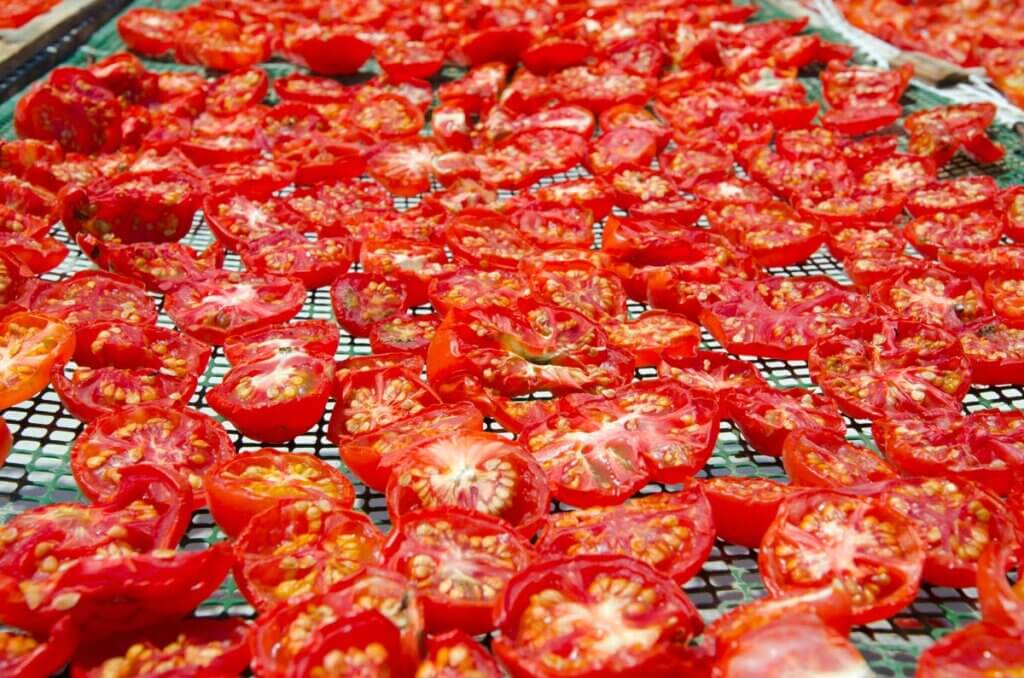
Traditional sun drying works well for herbs and fruits, but requires warm, dry weather.
While dehydrated food offers many benefits, there are a few considerations:
- Higher Caloric Density: Since water is removed, this is more calorie-dense per gram.
- Possible Nutrient Loss: Some vitamins, like Vitamin C and B, may degrade during dehydration.
- Watch for Added Sugars: Store-bought the foods may contain added sugars or preservatives.
- Conclusion
Dehydrated food is a nutrient-rich, convenient, and sustainable option for maintaining a healthy diet. Whether you’re looking for a quick snack, meal prep solution, or emergency food supply, dehydration offers a natural way to preserve food without compromising on health benefits.





Leave a Reply