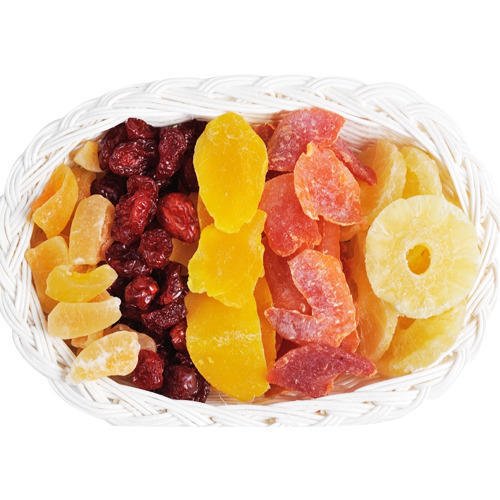
How to Start a Dried Fruit Wholesale Business: Complete Guide to Investment, Suppliers, Profit and Growth
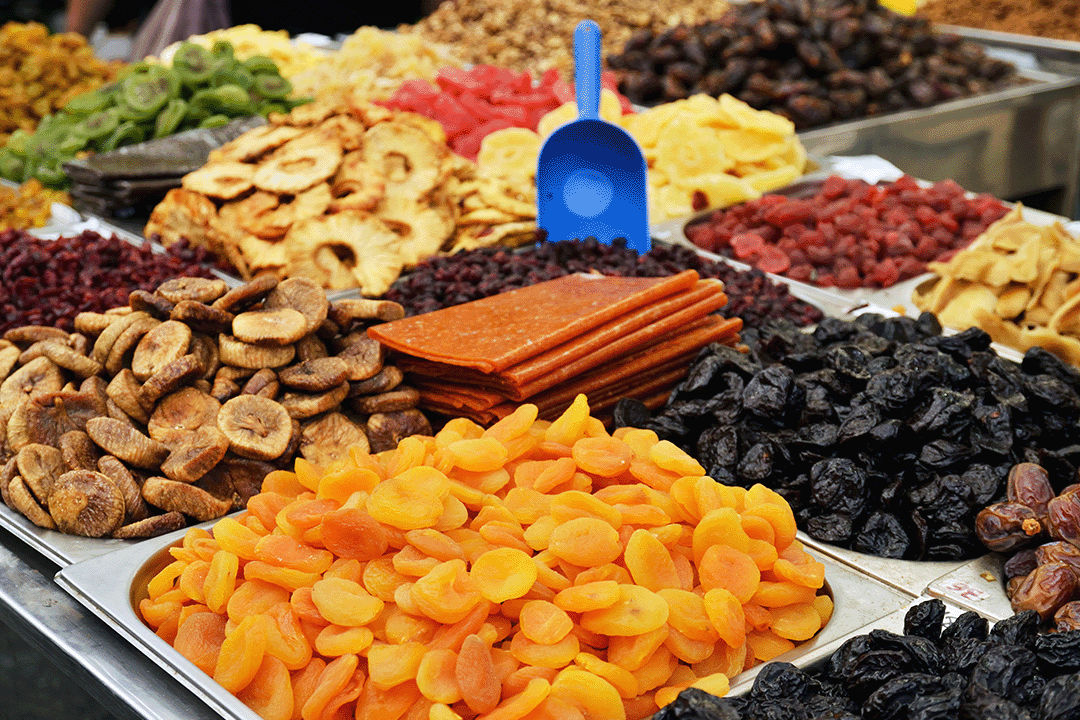
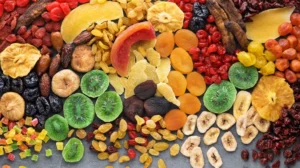
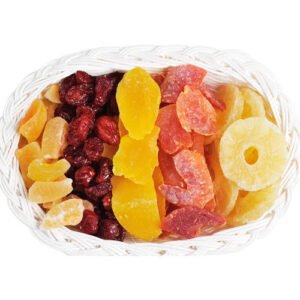
The dried fruit industry offers exciting opportunities for entrepreneurs who want to enter the food wholesale, distribution and trading sector. Products such as dried mango, banana, pineapple, apple, papaya, raisins, dates, figs, apricots and cranberries are used by retailers, supermarkets, bakeries, hotels, restaurants, food manufacturers and online sellers.
As consumers and businesses look for convenient fruit ingredients and packaged snack products, wholesale distribution can become an attractive business opportunity.
Starting a dried fruit wholesale business does not necessarily require owning a fruit dehydration factory. Entrepreneurs can purchase finished products directly from manufacturers, importers or bulk suppliers and sell them to retailers and commercial buyers. As the business grows, they can introduce private-label products, customized packaging and their own processing facilities.
However, success requires more than purchasing products at wholesale prices and selling them at a higher price. You need reliable suppliers, proper storage, quality control, competitive pricing, customer relationships and sufficient working capital.
This guide explains how to start a dried fruit wholesale operation in India, including investment, product selection, suppliers, licences, packaging, pricing, profit calculation and marketing strategies.
1. What Is a Dried Fruit Wholesale Business?
A dried fruit wholesale business involves purchasing dried or dehydrated fruits in bulk and supplying them to other businesses.
Instead of selling small quantities directly to individual consumers, wholesalers usually serve customers who purchase products regularly and in larger quantities.
Potential customers include:
- Grocery stores.
- Supermarkets.
- Dry fruit retailers.
- Bakeries.
- Hotels and restaurants.
- Food-processing companies.
- Snack manufacturers.
- Online sellers.
- Distributors.
- Private-label food brands.
- Export traders.
A wholesaler may source products from domestic manufacturers, agricultural processors, importers or international suppliers.
The business can operate through a physical warehouse, a wholesale trading office, an online B2B platform or a combination of these channels.
Wholesale vs Retail vs Manufacturing
| Business model | Main activity | Investment requirement |
|---|---|---|
| Wholesale | Buy in bulk and resell to businesses | Depends on inventory and storage |
| Retail | Sell smaller packs to consumers | Depends on shop, stock and branding |
| Manufacturing | Process fresh fruits into dried products | Higher equipment and facility investment |
| Private label | Sell products under your own brand using contract manufacturing | Depends on packaging and order quantities |
| Import/export | Source internationally and trade across markets | Depends on logistics and compliance |
For beginners, wholesale trading can be a practical entry point because it does not require immediate investment in industrial drying machinery.
2. Why Start a Dried Fruit Wholesale Business?
There are several reasons entrepreneurs consider dried fruit distribution.
Growing Range of Food Applications
Dried fruits are used in snacks, breakfast cereals, bakery products, confectionery, desserts, trail mixes and packaged food ingredients.
Multiple Customer Segments
A wholesaler can sell to several types of customers rather than depending on a single retail market.
Opportunity for Repeat Orders
Bakeries, supermarkets, food manufacturers and retailers may need regular supplies. Consistent quality and delivery can help develop long-term customer relationships.
Flexible Product Range
You can begin with a few popular products and gradually introduce additional varieties based on customer demand.
Private-Label Opportunities
Once you understand the market, you can introduce branded dried fruit packs through a contract packaging or manufacturing partner.
Expansion into Export Markets
Established businesses may explore international trade, provided they meet destination-market food-safety, documentation and import requirements.
A well-managed dried fruit wholesale business can expand from local distribution to regional supply, private-label products and larger B2B contracts.
3. Select the Right Dried Fruit Products (How to Start a Dried Fruit Wholesale Business)
Product selection is one of the most important decisions when starting a wholesale operation.
Avoid purchasing too many varieties at the beginning. Start with products that have dependable suppliers, suitable storage requirements and identifiable customer demand.
Popular Products for Wholesale Distribution
1. Dried Mango
Dried mango is used in snack packs, fruit mixes, confectionery and bakery products. It can be purchased in slices, strips, cubes and different sweetness levels.
2. Dehydrated Banana
Dried banana is used in cereals, snack mixes, bakery products and food manufacturing. Available formats include slices, chips, flakes and powder.
3. Dried Pineapple
Dried pineapple is used in tropical fruit mixes, snack products, confectionery and bakery applications.
4. Dried Apple
Dried apple slices and dices are used in breakfast cereals, bakery products, snack mixes and food ingredients.
5. Dried Papaya
Dried papaya is available in cubes and strips and is often used in fruit mixes and confectionery.
6. Raisins
Raisins are widely used by bakeries, restaurants, confectionery manufacturers and grocery retailers.
7. Dates
Dates are sold in whole, pitted, chopped and processed forms. They have applications in snack products, desserts and food manufacturing.
8. Dried Figs
Dried figs are popular in premium retail packs, gift assortments, bakeries and food-service businesses.
9. Dried Cranberries
Dried cranberries are used in cereals, trail mixes, bakery products and premium snack combinations.
10. Dried Apricots
Dried apricots are sold through retail and wholesale channels and are used in snacks, desserts and confectionery.
Recommended Starting Product Range
A new wholesaler can consider beginning with:
- Raisins.
- Dates.
- Dried mango.
- Dried pineapple.
- Dried figs.
- Dried apricots.
These products offer a starting range for approaching different customer segments. Final selection should be based on actual local demand, supplier availability and expected margins.
4. Research Your Target Market Before Investing
Before purchasing inventory, understand who will buy your products and how much they are willing to purchase.
Identify Your Potential Customers
Retail Grocery Stores: These customers may purchase bulk dried fruits for repackaging or resale.
Supermarkets: Larger retailers may require consistent supply, standardized packaging and documented quality specifications.
Bakeries: Bakeries use raisins, dates, dried pineapple, cranberries and other fruit ingredients in cakes, breads, cookies and desserts.
Hotels and Restaurants: Food-service businesses may purchase dried fruits for desserts, breakfast menus, bakery preparations and catering.
Food Manufacturers: Companies producing cereals, snack bars, confectionery and packaged snacks may require regular bulk supplies.
Online Sellers: E-commerce businesses may purchase bulk products and sell them in smaller branded packs.
Private-Label Brands: New food brands may outsource sourcing and packaging to wholesalers or contract manufacturers.
Research Competitors
Find out:
- Which dried fruits are sold most frequently?
- What grades and pack sizes are popular?
- What prices are competitors offering?
- Which suppliers serve local retailers?
- What delivery arrangements do buyers expect?
- Are customers interested in organic, unsweetened or premium products?
- Which products are difficult to source consistently?
Talk to potential buyers before investing heavily in stock.
5. Find Reliable Dried Fruit Wholesale Suppliers
Your supplier network will directly influence product quality, cost and customer satisfaction.
A reliable supplier should offer consistent quality, transparent pricing, suitable packaging, traceability and dependable delivery.
Types of Suppliers
1. Direct Manufacturers
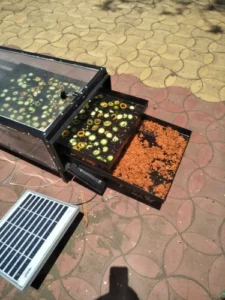
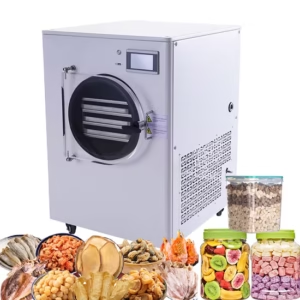
Manufacturers process fruits using hot-air drying, solar drying, vacuum drying or freeze-drying technologies.
Buying directly may be suitable for larger orders and customized product specifications.
2. Bulk Dehydrated Fruit Suppliers
Specialized suppliers offer several varieties of dried fruits in bulk quantities. They can be useful when building a diverse product range.
3. Wholesale Distributors
Distributors can supply multiple products and may accept smaller orders than some manufacturers.
4. Importers
Importers provide access to international products and varieties that may not be readily available domestically.
5. Farmer Cooperatives and Processing Units
Some agricultural organizations and local processors offer dried fruit products from regional fruit production.
How to Evaluate Suppliers
Before placing a large order, check:
- Product quality and grade.
- Moisture content.
- Water activity, where relevant.
- Colour, flavour and texture.
- Foreign matter and cleanliness.
- Certificate of analysis.
- Food-safety licences and relevant certifications.
- Minimum order quantity.
- Packaging quality.
- Delivery time.
- Payment terms.
- Replacement and rejection policy.
Request Samples Before Bulk Orders
Always obtain samples from shortlisted suppliers.
Evaluate the samples for appearance, taste, texture, smell and suitability for your target customers.
Where necessary, arrange laboratory testing for relevant quality and food-safety parameters.
A low-priced product may not be economical if it produces customer complaints, returns or excessive wastage.
6. Dried Fruit Wholesale Business Investment in India
The investment required depends on the business model, location, inventory size, storage arrangements and whether you plan to repack products.
A small trading operation can begin with a limited product range, while a regional distributor may require a warehouse, delivery vehicle and larger working capital.
The following figures are illustrative planning estimates, not verified current market quotations.
Estimated Startup Investment
| Expense category | Small setup | Medium setup |
|---|---|---|
| Initial inventory | ₹50,000–₹1,50,000 | ₹2,00,000–₹5,00,000 |
| Storage and shelving | ₹10,000–₹30,000 | ₹40,000–₹1,00,000 |
| Packaging supplies | ₹5,000–₹15,000 | ₹20,000–₹50,000 |
| Weighing and sealing equipment | ₹5,000–₹20,000 | ₹30,000–₹1,00,000 |
| Registration and administration | ₹5,000–₹15,000 | ₹10,000–₹30,000 |
| Marketing and sales | ₹5,000–₹15,000 | ₹20,000–₹50,000 |
| Working capital reserve | ₹20,000–₹50,000 | ₹75,000–₹2,00,000 |
Illustrative total:
- Small wholesale setup: approximately ₹1 lakh–₹3 lakh.
- Medium wholesale setup: approximately ₹4 lakh–₹10 lakh.
These estimates exclude major commercial property purchases and may not include all local taxes, rental deposits, transportation or financing costs.
Additional Investment for Larger Operations
A larger distribution business may also need:
- Warehouse rental and deposits.
- Commercial storage systems.
- Pest-control arrangements.
- Delivery vehicle.
- Inventory management software.
- Additional employees.
- Product testing and quality assurance.
- Insurance.
- Larger working capital.
The most important financial consideration is working capital. You may need to pay suppliers before receiving payment from retailers and other commercial customers.
7. Choose a Suitable Storage and Warehouse Facility
Dried fruits are sensitive to unsuitable storage conditions.
Moisture absorption, heat, pests and poor packaging can damage inventory and reduce product quality.
Important Warehouse Requirements
Clean Environment: Maintain clean floors, shelves and storage areas.
Humidity Control: Store products according to their recommended temperature and humidity conditions.
Pest Management: Implement appropriate pest-prevention and monitoring procedures.
Food-Grade Storage: Use suitable food-contact containers and packaging.
Stock Organization: Keep different products and batches properly separated.
Ventilation: Maintain appropriate ventilation without exposing products to dust or contamination.
Temperature Monitoring: Monitor storage conditions where required by the product specification.
Follow FIFO and FEFO
Two useful inventory management methods are:
- FIFO: First In, First Out. Older stock is dispatched first.
- FEFO: First Expired, First Out. Products with the earliest best-before date are dispatched first.
FEFO is especially useful when products have different shelf lives or batch dates.
Keep batch numbers, supplier details, incoming quantities and dispatch records for traceability.
8. Licences and Registrations for a Dried Fruit Wholesale Business in India
Before starting operations, check the licences and registrations applicable to your business model, location and turnover.
1. FSSAI Registration or Licence
Food businesses in India generally need the appropriate FSSAI registration or licence depending on their activity and eligibility.
Wholesale trading, storage, distribution, repacking and manufacturing can involve different categories and requirements.
Check the latest eligibility criteria and licensing requirements before commencing operations.
2. GST Registration
GST registration may be required depending on your turnover, type of supply, business activity and applicable rules.
Consult a qualified tax professional to determine your obligations.
3. Business Registration
Choose a suitable legal structure, such as:
- Sole proprietorship.
- Partnership.
- Limited Liability Partnership.
- Private Limited Company.
The choice depends on ownership, funding, liability and expansion plans.
4. Trade Licence and Local Permissions
Depending on the municipality and business location, you may need local trade permissions or other registrations.
5. Legal Metrology Compliance
If you pack and sell pre-packaged commodities, check applicable Legal Metrology requirements, including declarations and weighing equipment compliance.
6. Import and Export Registration
Businesses importing or exporting products may need an Importer Exporter Code and additional documentation, depending on the transaction and applicable rules.
7. Food Labelling Requirements
If you repack or sell products under your own brand, check the applicable food labelling requirements, including ingredients, allergens, net quantity, batch details, date marking and other mandatory declarations.
Important: Requirements can change. Confirm current rules with the relevant government authorities or a qualified compliance professional.
9. Packaging Requirements for Wholesale Dried Fruits
Packaging helps protect dried fruits during storage and transportation.
Wholesale products may be sold in bulk bags, cartons, lined boxes or smaller retail-ready pouches.
Common Packaging Options
Food-Grade Bulk Bags: Useful for large quantities supplied to manufacturers and distributors.
Laminated Pouches: Suitable for products requiring additional moisture and oxygen protection.
Vacuum Packaging: May be useful for selected products that tolerate compression.
Nitrogen-Flushed Pouches: Can reduce oxygen exposure for products that benefit from this protection.
Cartons with Inner Liners: Common for bulk transportation and storage.
Packaging Equipment for a Wholesale Business
Depending on whether you sell bulk bags or retail-ready products, you may require:
- Digital weighing scale.
- Semi-automatic filling machine.
- Continuous band sealing machine.
- Automatic pouch packing machine.
- Batch coding machine.
- Label printer.
- Checkweigher.
- Nitrogen flushing system, where required.
Small wholesalers can begin with basic weighing and sealing equipment. Larger businesses may invest in automatic packaging lines.
10. How to Set Wholesale Prices and Calculate Profit
Pricing is one of the most important parts of running a successful distribution operation.
Your selling price should cover product procurement, transportation, storage, packaging, labour, wastage, finance costs and other operating expenses.
Calculate Your Total Cost Per Kilogram
Use the following formula:
Total Cost per kg = Total Purchase and Operating Costs ÷ Saleable Quantity in kg
For example, assume you purchase 500 kg of dried mango at ₹400 per kg.
| Cost component | Amount |
|---|---|
| Purchase cost: 500 kg × ₹400 | ₹2,00,000 |
| Freight and handling | ₹5,000 |
| Storage and other allocated costs | ₹3,000 |
| Total cost | ₹2,08,000 |
| Saleable quantity | 500 kg |
| Total cost per kg | ₹416 |
If you sell the product at ₹460 per kg:
Revenue = 500 × ₹460 = ₹2,30,000.
Gross contribution before other unaccounted expenses and taxes:
₹2,30,000 − ₹2,08,000 = ₹22,000.
This example is illustrative. Actual profitability depends on product quality, customer pricing, wastage, credit costs and operating expenses.
Understand Gross Margin vs Markup
These two calculations are different.
Markup Percentage = (Selling Price − Cost Price) ÷ Cost Price × 100
Gross Margin Percentage = (Selling Price − Cost Price) ÷ Selling Price × 100
For example, if a product costs ₹400 and sells for ₹460:
- Markup = 15%.
- Gross margin = approximately 13.04%.
Do not confuse gross margin with net profit. Net profit must also account for overheads, salaries, rent, finance expenses, taxes and other costs.
Factors That Influence Wholesale Profitability
- Purchase price.
- Order quantity.
- Supplier discounts.
- Customer selling price.
- Product quality.
- Storage losses.
- Transportation expenses.
- Credit periods.
- Payment delays.
- Packaging costs.
- Inventory turnover.
A business with high sales volume can still struggle financially if customers pay late or inventory remains unsold.
11. How to Find Customers for Your Wholesale Business
Building a dependable customer base is essential for repeat sales.
1. Approach Local Retailers
Visit grocery stores, supermarkets, dry fruit shops and specialty food retailers.
Offer product samples, wholesale price lists and clear minimum order quantities.
2. Contact Bakeries and Food Manufacturers
Bakeries and manufacturers may need regular supplies of raisins, dates, cranberries, dried pineapple and other ingredients.
Provide consistent specifications and reliable delivery schedules.
3. Build a B2B Sales Network
Develop relationships with regional distributors, food-service suppliers and commercial buyers.
Offer volume-based pricing where it is commercially sustainable.
4. Use Online B2B Platforms
Online business marketplaces can help connect wholesalers with retailers, manufacturers and bulk buyers.
Create a professional business profile with accurate product specifications, minimum order quantities and contact details.
5. Build a Business Website
A website can help customers discover your product range and request wholesale quotations.
Useful website content includes:
- Product specifications.
- Available grades.
- Bulk pack sizes.
- Minimum order quantities.
- Storage information.
- Business credentials.
- Enquiry details.
6. Use Direct Marketing
Contact potential buyers through professional calls, email and business messaging.
Share clear quotations and follow up with samples where appropriate.
7. Attend Food and Trade Exhibitions
Trade events provide opportunities to meet retailers, suppliers, food manufacturers and distributors.
They can also help you identify new product categories and market trends.
12. Should You Start a Private-Label Dried Fruit Brand?
Once your wholesale operation becomes established, you can consider launching products under your own brand.
Instead of selling only bulk cartons, you can purchase dried fruits and arrange consumer-ready packaging.
Popular Private-Label Products
- Dried mango slices.
- Dried pineapple cubes.
- Premium raisins.
- Mixed dried fruit packs.
- Dried berry combinations.
- Dates and figs.
- Fruit and nut snack mixes.
- Breakfast topping blends.
Benefits of Private Labelling
- Greater control over branding.
- Opportunity to develop customer loyalty.
- Access to retail and online channels.
- Potential to differentiate products.
- Ability to test new product combinations.
However, branded products require additional work involving packaging design, food labelling, quality assurance, marketing and regulatory compliance.
You can initially work with a contract packer rather than investing in your own packaging facility.
13. Common Challenges in the Dried Fruit Wholesale Business
Every wholesale business faces operational and financial challenges.
Price Fluctuations
Raw fruit availability, harvest conditions, processing costs and international trade can influence wholesale prices.
Solution: Build relationships with multiple suppliers and review pricing regularly.
Inconsistent Product Quality
Different suppliers or production batches may vary in colour, moisture, texture and size.
Solution: Establish written product specifications and inspect incoming batches.
Storage Problems
Poor storage can lead to moisture absorption, pests and product deterioration.
Solution: Maintain suitable storage conditions and monitor inventory regularly.
Payment Delays
Retailers and business customers may request credit.
Solution: Establish clear payment terms, customer credit limits and collection procedures.
Unsold Inventory
Purchasing excessive quantities can tie up working capital and increase expiry or quality risks.
Solution: Start with products supported by actual demand and use inventory forecasts.
Strong Competition
Other wholesalers may compete on price and product availability.
Solution: Differentiate through quality consistency, reliable delivery, transparent specifications and customer service.
14. Growth Opportunities in the Dried Fruit Wholesale Industry
After establishing a stable customer base, you can expand into several related business activities.
1. Regional Distribution
Supply dried fruits to retailers and food businesses across nearby cities and districts.
2. Industrial Food Ingredients
Supply diced, sliced and powdered dried fruits to food manufacturers.
3. Private-Label Manufacturing
Develop your own branded product range using contract manufacturing and packaging partners.
4. Export Trading
Explore international customers for suitable dried fruit varieties, subject to export requirements and destination-market standards.
5. Organic and Specialty Products
Consider certified organic or other specialty products where there is verified customer demand and suitable supplier documentation.
6. Fruit Processing
As the business grows, consider investing in fruit washing, cutting, drying, grading and packaging equipment.
This can provide greater control over processing and product specifications, but it also requires additional capital, technical expertise and compliance.
15. Step-by-Step Plan to Start Your Dried Fruit Wholesale Business
Follow this practical roadmap before launching.
| Step | Action |
|---|---|
| 1 | Research local and regional market demand |
| 2 | Select 5–6 initial dried fruit products |
| 3 | Identify and compare suppliers |
| 4 | Request samples and quality documents |
| 5 | Estimate startup investment and working capital |
| 6 | Complete applicable registrations and licences |
| 7 | Arrange suitable storage facilities |
| 8 | Establish pricing and payment policies |
| 9 | Contact retailers and commercial buyers |
| 10 | Start with a controlled trial order |
| 11 | Monitor sales, stock and cash flow |
| 12 | Expand based on repeat customer demand |
Avoid expanding inventory too quickly. First establish reliable sourcing, repeat orders and positive cash flow.
16. Frequently Asked Questions
1. Is a dried fruit wholesale business profitable?
It can be profitable when procurement costs, product quality, customer demand, inventory turnover and operating expenses are managed effectively. Profitability is not guaranteed and varies by product and market.
2. How much investment is required to start a dried fruit wholesale business in India?
A small operation may be planned with approximately ₹1 lakh–₹3 lakh, while a medium-sized setup may require ₹4 lakh–₹10 lakh or more. These are illustrative budgets and depend on inventory, warehouse costs, equipment and working capital.
3. Do I need a factory to start a dried fruit wholesale business?
No. You can purchase finished products from manufacturers or distributors and sell them to other businesses. A factory is only necessary if you plan to manufacture or process dried fruits yourself.
4. Where can I buy dried fruits in bulk?
You can source products from dehydrated fruit manufacturers, wholesale distributors, importers, agricultural processors and specialized food ingredient suppliers.
5. Which dried fruits are best for wholesale trading?
Raisins, dates, dried mango, pineapple, figs, apricots and cranberries are possible starting products. Choose according to local demand, supplier availability and customer requirements.
6. What licences are required for a dried fruit wholesale business in India?
Depending on your business activity, you may need an appropriate FSSAI registration or licence, GST registration where applicable, business registration and local permissions. Repacking, importing and manufacturing can involve additional requirements.
7. Can I sell dried fruits to bakeries and food manufacturers?
Yes. Bakeries and manufacturers use dried fruits in cakes, cookies, cereals, snack bars, confectionery and other food products. They may require specific cuts, grades and quality documentation.
8. How should I store bulk dried fruits?
Store products in clean, dry and pest-controlled conditions according to the product specification. Use suitable packaging, monitor environmental conditions and maintain batch traceability.
9. Can I export dried fruits from India?
Yes, subject to applicable export, food-safety, customs and destination-market requirements. Exporters should verify documentation and product standards before accepting international orders.
10. Can I start a dried fruit business from home?
A small trading operation may be possible from a suitable compliant premises, but food storage, licensing, hygiene, packaging and local rules must be considered. Commercial wholesale operations may require dedicated storage space.
Conclusion
Starting a dried fruit wholesale business can be an attractive opportunity for entrepreneurs interested in food distribution, bulk trading and private-label products.
The business can begin with a small range of popular dried fruits sourced from reliable manufacturers and wholesale suppliers. As customer demand grows, you can expand into additional products, regional distribution, branded packaging and export trading.
The key to long-term success is not simply buying low and selling high. It is building a dependable supply chain, maintaining product quality, managing inventory, controlling credit and delivering consistent value to customers.
Start with market research, compare suppliers, test product samples, calculate your working capital and approach potential buyers before placing large orders. A disciplined approach can help turn a small wholesale operation into a scalable food distribution business.