 : Complete Buying Guide for Businesses
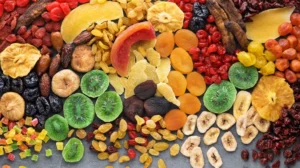
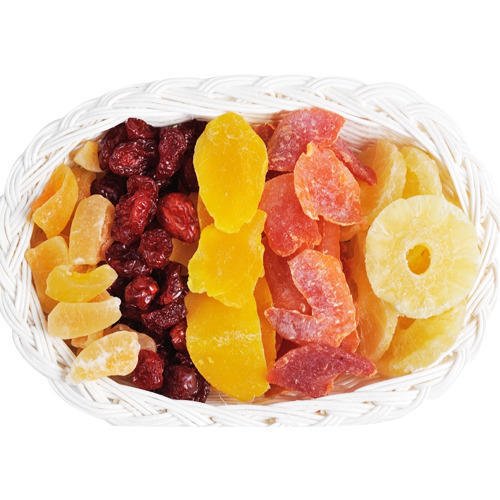
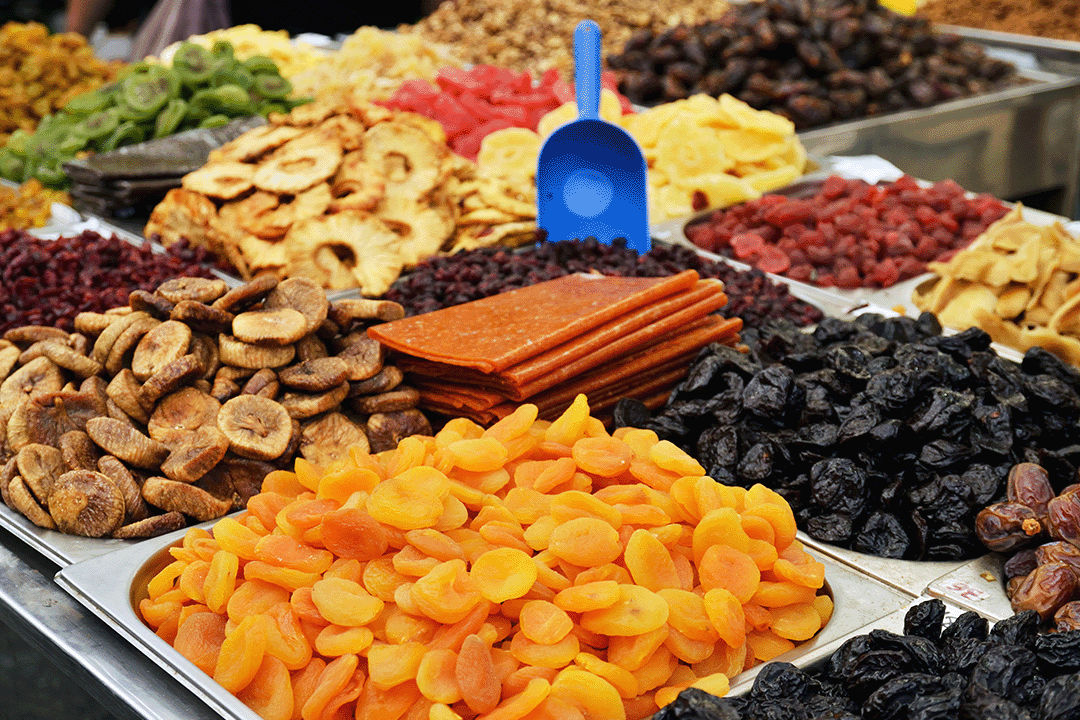
The demand for dehydrated fruits is creating opportunities for food manufacturers, wholesalers, retailers, supermarkets, bakeries, hotels, restaurants and private-label brands. Products such as dried mango, banana, pineapple, apple, papaya, raisins, dates, figs and dried berries are used in snacks, breakfast cereals, bakery products, confectionery, trail mixes and packaged foods.
For businesses purchasing these products in large quantities, finding reliable bulk dehydrated fruit suppliers is an important part of building a profitable and sustainable supply chain.
Buying dehydrated fruits in bulk can help businesses manage procurement costs, maintain inventory and support consistent production. However, selecting the wrong supplier can lead to inconsistent quality, moisture problems, damaged products, delayed deliveries and unexpected financial losses.
A good supplier should provide consistent product quality, transparent pricing, suitable packaging, food-safety documentation and dependable delivery services.
This complete buying guide explains how to find wholesale dehydrated fruit manufacturers, compare prices, evaluate product quality, understand minimum order quantities, check certifications and select the right supplier for your business.
1. What Are Bulk Dehydrated Fruits?
Dehydrated fruits are fresh fruits from which a significant amount of moisture has been removed through controlled drying processes.
Removing moisture helps reduce the conditions that support microbial growth and can extend the product’s storage life when the fruit is properly processed, packaged and stored.
Dehydrated fruits are available in different forms, including:
- Whole dried fruits.
- Sliced dried fruits.
- Diced dried fruits.
- Fruit flakes.
- Fruit powders.
- Fruit chips.
- Sweetened dried fruits.
- Unsweetened dried fruits.
- Freeze-dried fruits.
Businesses purchase these products in bulk for manufacturing, repackaging, wholesale distribution and food-service applications.
Common Bulk Dehydrated Fruit Products
1. Dried Mango
Dried mango is popular in snack products, fruit mixes, retail pouches and bakery applications. It is available in slices, strips, cubes and sweetened or unsweetened varieties.
2. Dehydrated Banana
Dried banana is used in breakfast cereals, snack mixes, bakery products and food manufacturing. It may be available as slices, chips, flakes or powder.
3. Dried Pineapple
Dried pineapple is used in confectionery, snack mixes, bakery products and tropical fruit assortments.
4. Dried Apple
Dried apple slices and dices are used in breakfast cereals, snack products, bakery fillings and food ingredients.
5. Dried Papaya
Dried papaya is available in cubes and strips and is commonly used in fruit mixes and confectionery.
6. Raisins
Raisins are widely used in bakeries, confectionery, breakfast products, food manufacturing and retail packaging.
7. Dried Dates
Dried dates are sold as whole fruits, pitted dates, chopped dates and date pieces. They are used in snack products, desserts and food manufacturing.
8. Dried Figs
Dried figs are used in premium snack products, bakery items, confectionery and retail packs.
9. Dried Cranberries
Dried cranberries are used in cereals, trail mixes, bakery products and premium snack assortments. Suppliers may offer sweetened and unsweetened versions.
10. Dried Apricots
Dried apricots are popular in retail packs, food-service applications, confectionery and bakery products.
2. Why Businesses Buy Dehydrated Fruits in Bulk
Purchasing dried fruits in bulk can provide several commercial advantages.
Lower Procurement Cost Per Unit
Wholesale orders may offer better pricing per kilogram compared with purchasing small retail packs. However, the actual savings depend on order quantity, product grade, supplier terms and transport costs.
Consistent Raw Material Supply
Food manufacturers need dependable raw material availability. Working with an established supplier can help maintain regular production schedules.
Better Inventory Planning
Bulk procurement allows businesses to plan stock levels around production requirements, seasonal demand and customer orders.
Support for Private-Label Brands
Entrepreneurs can purchase dehydrated fruits in wholesale quantities and package them under their own brand, subject to applicable food-safety and labelling requirements.
Opportunities in Multiple Industries
Bulk dehydrated fruits are used by:
- Snack manufacturers.
- Bakery companies.
- Breakfast cereal manufacturers.
- Chocolate and confectionery businesses.
- Hotels and restaurants.
- Supermarkets.
- Food-service distributors.
- Nutritional food brands.
- Export and trading companies.
3. Types of Bulk Dehydrated Fruit Suppliers
Not every supplier operates in the same way. Understanding the different supplier categories can help businesses choose the most suitable procurement partner.
1. Dehydrated Fruit Manufacturers
Manufacturers process fresh fruits into dried products using hot-air drying, solar drying, vacuum drying or freeze-drying technologies.
Advantages:
- Direct access to production facilities.
- Potentially better control over specifications.
- Opportunities for customized processing.
- Possibility of long-term supply agreements.
Manufacturers are worth considering when you need regular orders, customized cuts, specific moisture levels or large volumes.
2. Wholesale Distributors
Wholesale distributors purchase dried fruits from manufacturers and supply them to retailers, food businesses and other buyers.
Advantages:
- Access to multiple product varieties.
- Potentially lower minimum order quantities.
- Convenient local distribution.
- Consolidated purchasing from one supplier.
Distributors can be useful for businesses that require several product types but do not need full manufacturer-level order quantities.
3. Importers and Exporters
Importers and exporters source dehydrated fruits from different countries and supply domestic or international customers.
Advantages:
- Access to products not readily available locally.
- International sourcing opportunities.
- Wider product variety.
- Potential access to specialized grades.
Before importing, consider customs duties, freight, documentation, food-safety requirements, foreign exchange and delivery time.
4. Agricultural Cooperatives and Farmer Groups
Some cooperatives and farmer organizations participate in fruit processing and dehydration.
Advantages:
- Direct connections to agricultural production.
- Potential seasonal sourcing opportunities.
- Opportunities to develop long-term procurement relationships.
- Greater visibility into raw material origins.
Confirm processing capability, hygiene standards, product specifications and delivery capacity before placing commercial orders.
5. Private-Label Dried Fruit Manufacturers
Private-label manufacturers supply products that can be packed and sold under another company’s brand.
They may offer services such as:
- Product selection.
- Customized fruit blends.
- Different cut sizes.
- Packaging and labelling.
- Contract manufacturing.
- Batch coding.
This option can help entrepreneurs launch a dried fruit brand without establishing their own dehydration factory.
4. How to Find Reliable Bulk Dehydrated Fruit Suppliers
Finding a supplier is easy, but identifying a dependable long-term business partner requires proper evaluation.
Use the following sourcing methods.
Search for Established Manufacturers
Look for manufacturers that specialize in dehydrated fruits and can provide information about their processing facilities, product range and quality-control procedures.
Ask whether they manufacture the products themselves or source them from third parties.
Explore Wholesale Food Markets
Food ingredient markets and wholesale trading centres can provide access to distributors and bulk suppliers.
However, verify the supplier’s business credentials and request product samples before placing large orders.
Attend Food Processing Trade Shows
Food exhibitions can help businesses meet manufacturers, machinery companies, ingredient suppliers and packaging providers.
These events can also provide an opportunity to compare products and discuss contract manufacturing arrangements.
Contact Export-Oriented Suppliers
Export-focused suppliers may have experience with product specifications, testing, traceability and international shipping documentation.
Check whether their documentation meets the requirements of your destination market.
Request Multiple Quotations
Contact several suppliers and request quotations using identical product specifications.
Compare:
- Price per kilogram.
- Product grade.
- Moisture content.
- Cut size.
- Minimum order quantity.
- Packaging format.
- Delivery charges.
- Payment terms.
- Lead time.
Comparing identical specifications helps avoid selecting a supplier simply because its quoted price appears lower.
5. Important Quality Factors to Check Before Buying
Product quality should be one of the most important considerations when evaluating bulk dehydrated fruit suppliers.
A low purchase price is not useful if the product contains excessive moisture, inconsistent pieces, foreign matter or poor-quality raw materials.
1. Moisture Content
Moisture content influences product texture, storage stability and processing suitability.
Different dried fruits require different moisture specifications. Do not apply one universal moisture percentage to every product.
Ask the supplier to provide the product’s moisture specification and relevant batch test results.
2. Water Activity
Water activity indicates how much water is available for microbial growth and chemical reactions.
It is an important quality parameter for dried fruit storage and shelf-life management.
Request water activity information where appropriate for your product and intended application.
3. Colour and Appearance
Check whether the product has a consistent appearance and whether the colour matches the agreed specification.
Excessive darkening, discoloration or visible defects may indicate processing or storage issues.
4. Taste and Aroma
Dried fruits should have an appropriate flavour and aroma for the specific fruit.
Unusual fermented, rancid, smoky or musty smells should be investigated before accepting the shipment.
5. Texture
Some applications require soft and chewy dried fruits, while others require crisp slices or firm pieces.
Confirm the expected texture before ordering.
6. Foreign Matter
Check for stones, stems, insects, dust, plastic pieces and other unwanted materials.
Ask about sorting, sieving, inspection and metal-detection procedures.
7. Microbiological Quality
Depending on the product and market, relevant microbiological tests may include yeast and mould, total plate count and specified foodborne pathogens.
Ask for a certificate of analysis and test reports appropriate to the product and applicable food-safety standards.
8. Pesticide Residues and Contaminants
For certain products and destination markets, pesticide residues, heavy metals, mycotoxins or other contaminants may need to be monitored.
The required tests depend on the fruit, origin, processing method and regulatory requirements.
6. Bulk Dehydrated Fruit Suppliers: Price Per Kg and Cost Factors
Price is a major consideration for wholesale buyers, but dehydrated fruit prices can vary widely.
The cost depends on the fruit variety, fresh-fruit availability, processing technology, product grade, moisture specification, packaging and order quantity.
The following table provides a framework for comparing supplier quotations. It deliberately avoids presenting unverified market prices as current quotations.
| Product | Important price factors |
|---|---|
| Dried mango | Variety, cut size, sweetness, moisture and grade |
| Dried banana | Variety, processing method, slice size and colour |
| Dried pineapple | Fruit quality, sweetness, cut size and moisture |
| Dried apple | Variety, oxidation control and slice thickness |
| Dried papaya | Colour, added sugar, cut size and grade |
| Raisins | Variety, size, colour, seed content and origin |
| Dried dates | Variety, size, pitting and moisture |
| Dried figs | Size, grade, softness and origin |
| Dried cranberries | Sweetened or unsweetened grade and ingredient specification |
| Dried apricots | Variety, colour, sulphite treatment and size |
What Determines the Wholesale Price?
Raw Fruit Cost: Seasonal availability and agricultural supply influence the cost of fresh fruit.
Processing Technology: Freeze-dried products often have different production economics from conventional hot-air-dried products.
Product Grade: Premium colour, uniform size and selected cuts can increase purchase costs.
Moisture Specification: Different moisture targets can affect processing yield and product characteristics.
Order Quantity: Larger orders may qualify for better unit pricing, depending on supplier capacity and market conditions.
Packaging: Bulk liners, cartons, vacuum packs and retail-ready packaging have different costs.
Transportation: Freight, insurance, handling and delivery location can significantly affect the landed cost.
How to Compare Wholesale Quotes
Use the following calculation:
Landed Cost Per kg = (Product Cost + Freight + Insurance + Duties + Other Import Costs) ÷ Total Received Kilograms
For domestic orders, include product cost, transport, handling and any applicable taxes or charges.
Compare the final landed cost rather than just the supplier’s ex-factory price.
7. Minimum Order Quantity (MOQ): What Wholesale Buyers Should Know
Minimum order quantity is the smallest quantity a supplier is willing to sell in a single order.
MOQ can vary according to the supplier’s production capacity, packaging format, product availability and whether the order involves customization.
Typical Commercial Order Categories
| Order category | Common purchasing approach |
|---|---|
| Sample order | Small quantity for quality evaluation |
| Trial order | Limited quantity for production testing |
| Small wholesale order | Multiple cartons or bags |
| Regular bulk order | Pallet-level or larger procurement |
| Industrial order | Large-volume contract supply |
These are general purchasing categories, not fixed industry-wide MOQ standards.
Questions to Ask About MOQ
- What is the minimum order per fruit variety?
- Can different products be combined in one order?
- Is a smaller trial order available?
- Does customized packaging increase MOQ?
- Can the supplier provide recurring monthly deliveries?
- Are prices different for repeat orders?
Starting with a sample or trial order can help reduce procurement risk.
8. Packaging Options for Bulk Dehydrated Fruits
Suitable packaging protects dried fruits during storage, handling and transportation.
Packaging should be selected according to the product’s moisture sensitivity, oxygen sensitivity, distribution conditions and expected shelf life.
1. Food-Grade Bulk Bags
Food-grade bags are commonly used for wholesale dried fruit transportation.
They should provide suitable protection and be compatible with the product.
2. Laminated Barrier Bags
Laminated bags can provide moisture and oxygen barriers depending on their material structure.
They are useful for products requiring improved protection.
3. Vacuum Packaging
Vacuum packaging removes much of the air inside a package. It may be suitable for certain dried fruit products, but fragile pieces can be crushed.
4. Nitrogen-Flushed Packaging
Nitrogen flushing reduces oxygen exposure and may help protect products sensitive to oxidation.
5. Cartons with Inner Liners
Bulk dried fruits are often transported in cartons containing food-grade inner liners.
The carton protects the product from handling damage, while the liner provides an additional packaging barrier.
Packaging Information to Confirm
- Net weight.
- Batch or lot number.
- Product name and grade.
- Manufacturing or packing date.
- Best-before date.
- Storage conditions.
- Country of origin, where required.
- Ingredient and additive information.
- Allergen information where relevant.
Always confirm the required food labelling rules for the market where the product will be sold.
9. Certifications and Documents to Check
A professional supplier should be able to provide relevant business, product and food-safety documentation.
Depending on the product and market, request:
Food Business Licence or Registration
For Indian suppliers, check applicable FSSAI licensing and registration details.
HACCP-Based Food Safety System
A hazard analysis and critical control point approach helps identify and control food-safety risks during processing.
ISO 22000
ISO 22000 is a food-safety management system standard that may be relevant to food-processing suppliers.
BRCGS Certification
BRCGS certification may be relevant for suppliers serving certain international retailers and food manufacturers.
Certificate of Analysis (COA)
A COA provides test results against specified product parameters.
It may include moisture, water activity, microbiological results and other relevant quality measurements.
Phytosanitary and Export Documents
Depending on the product and destination, exporters may need phytosanitary documentation, certificates of origin, commercial invoices and other customs documents.
Traceability Records
Ask whether the supplier can trace products back to their raw material sources and processing batches.
Important: Do not assume that every supplier needs every certification. Verify the specific legal and buyer requirements for your product, destination and application.
10. Domestic vs International Bulk Dehydrated Fruit Suppliers
Businesses may purchase dried fruits from domestic manufacturers or international suppliers.
Both options have advantages and disadvantages.
Domestic Suppliers
Advantages:
- Potentially shorter delivery times.
- Easier communication.
- Lower logistics complexity for local purchases.
- Easier factory visits and sample evaluation.
- Potentially simpler repeat procurement.
Limitations:
- Product availability may be seasonal.
- Certain specialty fruits may be difficult to source.
- Prices can vary depending on local supply.
International Suppliers
Advantages:
- Access to a wider range of fruit varieties.
- Opportunities for specialized grades.
- Potentially larger manufacturing capacity.
- Access to international sourcing markets.
Limitations:
- Longer shipping times.
- Customs and import documentation.
- Freight and insurance expenses.
- Foreign exchange risk.
- Additional compliance requirements.
- Greater need for supplier verification.
What Should Indian Buyers Consider?
Businesses sourcing dehydrated fruits for India should evaluate:
- Supplier’s country of origin.
- Applicable import regulations.
- Customs duties and taxes.
- Food-safety documentation.
- Product testing requirements.
- Packaging and labelling compliance.
- Importer responsibilities.
- Port handling and transportation expenses.
Check the current requirements with the relevant Indian authorities and customs professionals before importing.
11. How to Evaluate and Compare Bulk Dehydrated Fruit Suppliers
Before selecting a supplier, use a structured evaluation process.
| Evaluation factor | What to check |
|---|---|
| Product quality | Colour, texture, taste and cleanliness |
| Testing | COA and relevant laboratory reports |
| Price | Comparable specifications and landed cost |
| MOQ | Minimum order per product |
| Packaging | Barrier protection and pack size |
| Delivery | Lead time and transport arrangements |
| Documentation | Licences, certificates and traceability |
| Consistency | Batch-to-batch quality |
| Payment terms | Advance, credit and balance payment |
| Support | Complaint handling and replacement policy |
A Practical Supplier Evaluation Method
- Shortlist at least three potential suppliers.
- Request product specifications and quotations.
- Obtain samples from each supplier.
- Test samples for appearance, taste, texture and application suitability.
- Review the COA and relevant documentation.
- Compare the landed cost.
- Place a limited trial order.
- Inspect the delivered batch before approving regular purchases.
This process helps businesses reduce risk and build stronger supplier relationships.
12. Private-Label and Contract Manufacturing Opportunities
Businesses that want to sell dried fruit products under their own brand can work with private-label manufacturers.
Instead of investing in a complete dehydration plant, an entrepreneur can source finished products and arrange packaging through a suitable contract manufacturer.
Popular Private-Label Products
- Premium dried mango slices.
- Dried pineapple snacks.
- Mixed dried fruit packs.
- Dried berry mixes.
- Raisins and seedless fruit assortments.
- Healthy snack combinations.
- Fruit and nut gift boxes.
- Breakfast topping mixes.
Benefits of Private-Label Sourcing
- Lower investment in manufacturing equipment.
- Faster product launch.
- Access to established processing facilities.
- Flexible product selection.
- Opportunities to test market demand.
- Focus on branding, marketing and distribution.
Before signing an agreement, confirm product ownership, formulation, packaging responsibility, minimum order quantity, quality standards and responsibility for regulatory compliance.
13. How to Start a Bulk Dehydrated Fruit Wholesale Business
A wholesale business can supply dried fruits to retailers, food manufacturers, bakeries, hotels, restaurants and distributors.
Step 1: Select Your Product Range
Begin with products that have clear demand and dependable supply.
Popular options include raisins, dates, dried mango, dried pineapple, dried figs and dried cranberries.
Step 2: Identify Your Target Customers
Potential buyers include:
- Grocery retailers.
- Supermarkets.
- Bakeries.
- Food manufacturers.
- Hotels and restaurants.
- Online sellers.
- Private-label brands.
- Export traders.
Step 3: Find Reliable Suppliers
Evaluate manufacturers, importers and distributors based on quality, pricing, documentation and delivery performance.
Step 4: Plan Storage Facilities
Dried fruits should be stored in clean, dry and pest-controlled conditions according to the supplier’s storage specifications.
Temperature, humidity and packaging integrity should be monitored.
Step 5: Establish Quality Control
Inspect incoming batches and maintain records of supplier details, lot numbers, test results and complaints.
Step 6: Develop a Pricing Strategy
Calculate the landed cost, storage expenses, handling, packaging, finance costs and expected margin before offering wholesale prices.
Step 7: Build Long-Term Customer Relationships
Reliable delivery, consistent product quality and transparent pricing can help create repeat business.
14. Common Mistakes to Avoid When Buying Dehydrated Fruits in Bulk
Avoid these mistakes when selecting bulk suppliers:
- Choosing a supplier based only on the lowest price.
- Purchasing large quantities without testing samples.
- Ignoring moisture and water activity specifications.
- Not checking product ingredients and added sugar.
- Failing to verify food-safety documentation.
- Ignoring packaging barrier properties.
- Not checking batch-to-batch consistency.
- Overlooking freight and other landed costs.
- Buying more inventory than the business can sell.
- Failing to establish a clear rejection and replacement policy.
A proper supplier agreement should define product specifications, quality tolerances, delivery schedules, packaging, payment terms and procedures for handling rejected batches.
15. Frequently Asked Questions
1. How do I find reliable bulk dehydrated fruit suppliers?
Search for established manufacturers, wholesale distributors and exporters. Request product samples, quotations, COAs, relevant licences and information about their processing facilities before placing a commercial order.
2. What is the minimum order quantity for dehydrated fruits?
MOQ varies by supplier, fruit variety, packaging and customization requirements. Some suppliers accept small trial orders, while manufacturers may require larger quantities for regular production.
3. Which dehydrated fruits are commonly available in bulk?
Popular products include dried mango, banana, pineapple, apple, papaya, raisins, dates, figs, apricots and cranberries.
4. How can I check the quality of bulk dried fruits?
Check appearance, colour, texture, taste, aroma, foreign matter, moisture content and water activity. Request relevant laboratory reports and a certificate of analysis.
5. Are bulk dehydrated fruits suitable for food manufacturing?
Yes. They are used in snack manufacturing, cereals, bakery products, confectionery, fruit mixes and other food applications. Confirm the product specification and ingredient suitability for the intended process.
6. What affects the wholesale price of dehydrated fruits?
Prices depend on raw material costs, fruit variety, processing method, grade, moisture specification, order size, packaging, freight and market availability.
7. Can I buy dehydrated fruits directly from manufacturers?
Yes. Direct manufacturer sourcing can be useful for larger orders, customized specifications and regular supply agreements. Verify the manufacturer’s production capability and quality systems.
8. What packaging is best for bulk dehydrated fruits?
Food-grade bags, laminated barrier pouches and cartons with inner liners are common options. Select packaging according to moisture and oxygen sensitivity, transport conditions and intended shelf life.
9. Can I start a dried fruit brand without owning a factory?
Yes. You can work with a suitable private-label or contract manufacturer that processes and packs products under your brand, subject to applicable legal and food-safety requirements.
10. What documents should I request from a dehydrated fruit supplier?
Depending on the product and market, request a COA, relevant food-safety licences, certification details, traceability information, ingredient specifications and export documentation where applicable.
Conclusion
Finding reliable bulk dehydrated fruit suppliers is essential for businesses that want to manufacture, distribute or sell dried fruit products successfully.
The right supplier should offer consistent quality, competitive pricing, suitable packaging, transparent documentation and dependable delivery. Buyers should evaluate moisture content, water activity, product grade, testing records, minimum order quantity and total landed cost before placing large orders.
Whether you operate a food manufacturing company, wholesale distribution business, retail brand or private-label operation, a well-planned sourcing strategy can help control procurement costs and maintain product quality.
Start with samples, compare multiple suppliers, conduct trial orders and establish clear product specifications. Building a reliable supply chain can create long-term opportunities in the growing dehydrated fruit and food-processing industry.