How to Import and Export Dehydrated Fruits: Complete Business Guide
Introduction
The international food trade offers attractive opportunities for entrepreneurs interested in natural, convenient and shelf-stable food products. Dehydrated fruits are increasingly used in snacks, breakfast cereals, bakery products, confectionery, trail mixes, food manufacturing and retail packaging.
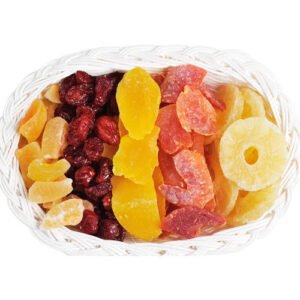
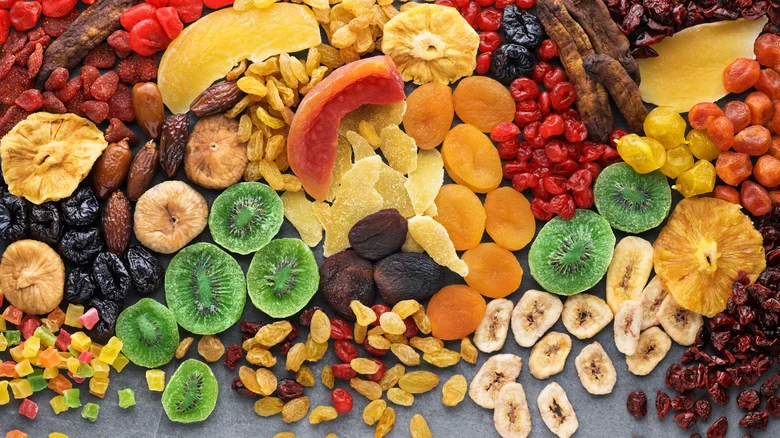
Products such as dried mango, banana chips, pineapple, apple, papaya, strawberries, raisins, dates, figs and dried berries can be traded across international markets. Businesses can source these products from fruit-producing countries and supply them to wholesalers, supermarkets, food manufacturers, distributors and private-label brands.
Learning how to import and export dehydrated fruits can help entrepreneurs enter the global food supply chain without necessarily owning a fruit farm or manufacturing facility.
However, international trading involves more than purchasing products at a low price and selling them at a higher price. Importers and exporters must understand product specifications, food safety requirements, customs procedures, documentation, packaging, shipping costs and international buyer expectations.
This guide explains how to start a dehydrated fruit import and export business, select reliable suppliers, find international buyers, calculate costs and build a profitable trading operation.
1. Understanding the Dehydrated Fruit Import and Export Business
Dehydrated fruit trading involves purchasing fruits that have undergone moisture removal and selling them to customers in domestic or international markets.
Dehydration helps extend shelf life by reducing moisture content. Depending on the fruit, processing method and packaging, the final product may be supplied in different forms.
Common product categories include:
- Naturally dried fruits
- Sun-dried fruits
- Hot-air dehydrated fruits
- Freeze-dried fruits
- Vacuum-dried fruits
- Sugar-infused dried fruits
- Fruit powders and flakes
- Dried fruit slices, cubes and pieces
There are two main business models.
Import Business
An import business purchases dehydrated fruits from overseas manufacturers or exporters and sells them in the domestic market.
For example, an Indian importer may source dried cranberries from the United States, dried apricots from Turkey or dried prunes from other established producing regions.
Potential customers include:
- Food wholesalers
- Supermarkets
- Health food stores
- Bakery manufacturers
- Hotels and restaurants
- Snack manufacturers
- Online grocery businesses
- Private-label food brands
Export Business
An export business purchases or manufactures dehydrated fruits domestically and supplies them to international buyers.
For example, an Indian exporter may supply dried mango, banana, pineapple, papaya, coconut or other processed fruit products to overseas distributors and food manufacturers.
The business may operate as a manufacturer-exporter, merchant exporter or sourcing agent.
2. Which Dehydrated Fruits Have International Business Potential?
Before entering international trade, identify products that have suitable supply availability, consistent quality and demand from potential buyers.
Some commonly traded dehydrated fruit categories include:
| Dehydrated fruit | Potential commercial applications |
|---|---|
| Dried mango | Snacks, cereals, confectionery |
| Dried pineapple | Snack mixes, bakery, toppings |
| Dried banana | Chips, breakfast products, snacks |
| Dried apple | Cereals, bakery, snack packs |
| Dried papaya | Bakery, confectionery, fruit mixes |
| Dried strawberries | Cereals, desserts, premium snacks |
| Dried blueberries | Bakery, granola, snack mixes |
| Raisins | Bakery, confectionery, retail packs |
| Dried dates | Snacks, energy bars, food processing |
| Dried figs | Premium snacks and bakery |
| Dried apricots | Retail packs, cereals, confectionery |
| Dried cranberries | Snack mixes, bakery and cereals |
The best product depends on the availability of raw materials, processing costs, target-country regulations, buyer requirements and competition.
How to Select the Right Product
Evaluate each product using the following factors:
- Raw material availability: Can you source the fruit consistently throughout the year?
- Processing quality: Can the supplier maintain consistent moisture, colour, taste and texture?
- Shelf life: Does the product remain stable under the expected storage and shipping conditions?
- Market demand: Are importers, wholesalers and manufacturers purchasing the product?
- Competition: Are there established suppliers offering similar products at competitive prices?
- Profit potential: Does the selling price cover procurement, packaging, freight, customs and operating expenses?
Starting with two or three products is often easier than managing a large product catalogue.
3. How to Find Reliable Dehydrated Fruit Suppliers
Supplier selection is one of the most important parts of the import and export business.
A low purchase price does not automatically mean a profitable deal. Poor-quality products can result in rejected shipments, customer complaints, customs complications and financial losses.
You can find suppliers through:
- Fruit processing manufacturers
- Dehydrated fruit factories
- Agricultural processors
- Food ingredient distributors
- Export promotion organisations
- International trade exhibitions
- B2B wholesale marketplaces
- Industry associations
- Direct manufacturer enquiries
Important Supplier Verification Steps
Before placing a bulk order, verify the following:
Business registration: Check the supplier’s legal business identity, registration and export experience.
Manufacturing capability: Determine whether the supplier manufactures products directly or purchases them from other processors.
Food safety systems: Ask about relevant food safety certifications and documented quality management systems.
Product specifications: Obtain a specification sheet describing ingredients, processing method, moisture content, product size, colour, additives and storage conditions.
Laboratory testing: Request appropriate test reports for microbiological quality, pesticide residues, contaminants and other applicable parameters.
Sample approval: Purchase samples before agreeing to a commercial order.
Production capacity: Confirm monthly capacity, lead time and seasonal supply limitations.
Export experience: Ask for references or evidence of previous international shipments where appropriate.
Documents to Request from Suppliers
- Product specification sheet
- Commercial quotation
- Certificate of Analysis (COA)
- Food safety certification, where applicable
- Ingredient and allergen declaration
- Packaging details
- Shelf-life information
- Country-of-origin information
- Sample test report
- Export documentation history, where available
Never rely only on a supplier’s marketing claims. Verify important documents and test products independently when the shipment value justifies it.
4. How to Import Dehydrated Fruits Step by Step
Importing dehydrated fruits requires careful planning because food products are subject to customs and food safety regulations.
The following process provides a practical starting point.
Step 1: Select Your Import Market
Identify the country from which you want to purchase dehydrated fruits.
Potential sourcing markets vary by product. For example, different countries specialise in dried berries, apricots, prunes, raisins, mangoes and other fruit products.
Compare suppliers based on:
- Product quality
- Price per kilogram
- Minimum order quantity
- Production capacity
- Freight availability
- Export experience
- Food safety compliance
- Delivery time
Do not select a country only because its quoted product price is low. Calculate the complete landed cost.
Step 2: Check Import Regulations
Before ordering, confirm whether the product is permitted for import into your destination country.
Food import rules can vary according to:
- Fruit variety
- Processing method
- Ingredients and additives
- Country of origin
- Intended use
- Packaging type
- Product classification
- Phytosanitary requirements, where applicable
In India, importers should check applicable requirements from the Food Safety and Standards Authority of India (FSSAI), the Directorate General of Foreign Trade (DGFT), Indian Customs and other relevant authorities.
Some products may require additional certificates, inspection or specific compliance documents.
Step 3: Identify the Correct HS Code
An HS Code is used to classify goods in international trade.
The classification of dried fruit depends on the specific fruit, processing method, composition and applicable tariff rules.
Do not assume that every dehydrated fruit uses the same HS Code.
Confirm the correct classification with a qualified customs broker or relevant customs authority before preparing the commercial invoice.
The HS Code can affect:
- Customs duty
- Import restrictions
- Trade statistics
- Product classification
- Required declarations
- Eligibility for trade preferences
Incorrect classification can create delays, additional costs and penalties.
Step 4: Request Samples and Approve Quality
Before placing a large order, request samples from the supplier.
Evaluate:
- Taste and aroma
- Colour
- Texture
- Moisture level
- Product size
- Foreign matter
- Packaging quality
- Ingredient composition
- Laboratory results
For commercial purchases, establish written product specifications and acceptable quality limits.
Step 5: Negotiate Price and Payment Terms
Discuss the following before confirming the order:
- Price per kilogram or metric tonne
- Minimum order quantity
- Packaging cost
- Production lead time
- Shipping terms
- Payment schedule
- Inspection arrangements
- Rejection and claims procedure
International transactions commonly use payment methods such as advance payment, bank transfer and letters of credit, depending on the relationship, risk and transaction size.
Step 6: Arrange Shipping
Dehydrated fruits can be transported by sea or air.
Sea freight: Often suitable for larger commercial shipments where delivery time allows.
Air freight: May be appropriate for samples, urgent orders or high-value products, although transportation costs are generally higher.
Packaging must protect the product against moisture, oxygen exposure, contamination and physical damage.
For sensitive products, consider suitable moisture-barrier packaging, protective liners and temperature or humidity management where required.
Step 7: Complete Customs Clearance
Prepare the required import documentation and work with a customs broker familiar with food products.
The shipment may be subject to customs assessment, document verification, food safety checks, sampling or other applicable inspections.
After all requirements are satisfied and duties or taxes are paid, the goods can be released for delivery.
Step 8: Inspect the Received Shipment
After delivery, inspect the goods against the agreed specifications.
Check:
- Quantity and weight
- Packaging condition
- Batch numbers
- Manufacturing and expiry dates
- Product appearance
- Moisture and texture
- Laboratory test results, where required
Maintain complete batch and supplier records for traceability.
5. How to Export Dehydrated Fruits Step by Step
Exporting dehydrated fruits can create access to larger markets and international buyers. However, exporters must meet the requirements of both their home country and the destination country.
Step 1: Establish Your Export Business
In India, a prospective exporter should investigate the applicable business registrations and trade requirements.
Common considerations include:
- Business registration
- Importer Exporter Code (IEC), where required
- GST registration and export-related compliance
- FSSAI licence or registration, as applicable
- Export promotion council or relevant product registration, where required
- Bank account and foreign exchange arrangements
- Customs and shipping arrangements
Requirements depend on the business model and product. Confirm current rules with the appropriate authorities or a qualified trade professional.
Step 2: Select Your Target Export Countries
Research markets that import the types of dehydrated fruits you plan to sell.
Potential markets include:
- United States
- United Kingdom
- United Arab Emirates
- Germany
- Netherlands
- Canada
- Australia
- Singapore
- Saudi Arabia
These are possible markets to investigate, not guaranteed destinations for every product.
Study the destination country’s import regulations, buyer expectations, product standards, labelling rules and competing suppliers.
Step 3: Understand Destination-Country Food Regulations
Different markets have different food safety requirements.
For example:
- The United States has food facility registration and prior notice requirements for applicable imported foods, along with other relevant FDA requirements.
- European Union markets have food safety, pesticide residue, contaminant, labelling and traceability requirements.
- The United Kingdom has its own food import and border requirements.
- Gulf markets may have additional product registration, labelling and documentation requirements.
Check the precise rules for the product and destination before accepting an order.
Do not assume that a certificate accepted in one country automatically satisfies the requirements of another.
Step 4: Find International Buyers
Finding reliable buyers is essential for a successful export operation.
Potential buyer categories include:
- International food importers
- Dried fruit distributors
- Wholesale food suppliers
- Supermarket purchasing departments
- Bakery ingredient manufacturers
- Cereal manufacturers
- Snack companies
- Private-label brands
- Food service distributors
You can approach buyers through B2B platforms, trade fairs, industry associations, export promotion organisations and direct business development.
Step 5: Prepare an Export Product Catalogue
Your catalogue should include:
- Product name
- Product photographs, if used in your sales material
- Product specifications
- Available grades
- Ingredients
- Processing method
- Moisture specification
- Packaging options
- Minimum order quantity
- Shelf life
- Storage instructions
- Country of origin
- Certifications and test reports, where available
Clear specifications help international buyers compare products and request quotations.
Step 6: Send Quotations to Buyers
A professional export quotation should mention:
- Product and grade
- Quantity
- Price and currency
- Packaging details
- Delivery location
- Incoterms rule and named place
- Shipment lead time
- Payment terms
- Quotation validity
- Inspection arrangements
Avoid giving a final price until you have calculated production or procurement costs, packaging, inland transport, documentation, freight and other applicable expenses.
Step 7: Complete Export Documentation
Prepare the documents required for the transaction and destination market.
Common export documents include:
- Commercial invoice
- Packing list
- Shipping bill or applicable export declaration
- Bill of Lading or Air Waybill
- Certificate of Origin, where required
- Certificate of Analysis, where requested or required
- Phytosanitary certificate, if applicable
- Health certificate or other food-related certificate, if required
- Insurance certificate, where applicable
- Other destination-specific declarations
Not every shipment requires every document. Requirements depend on the product, country, buyer and shipping arrangement.
Step 8: Arrange Inspection and Shipment
Before dispatch, confirm that the products meet the agreed specifications.
Arrange any required testing, inspection, customs declarations and shipping documentation.
Use packaging appropriate for the product’s moisture sensitivity and expected transportation conditions.
After shipment, send the buyer the agreed shipping documents and follow up until delivery and payment are completed.
6. Essential Documents for Importing and Exporting Dehydrated Fruits
Documentation is a critical part of international food trading.
The following table provides a general overview.
| Document | Main purpose |
|---|---|
| Commercial Invoice | Declares the transaction value and product details |
| Packing List | Describes package count, weight and packing information |
| Bill of Lading | Transport document for sea freight |
| Air Waybill | Transport document for air freight |
| Certificate of Origin | Identifies the country of origin |
| Certificate of Analysis | Provides specified laboratory test results |
| Phytosanitary Certificate | Confirms plant health requirements where applicable |
| Health Certificate | Provides food-related certification where required |
| Import/Export Declaration | Supports customs processing |
| Insurance Certificate | Evidence of cargo insurance, where applicable |
For India-based businesses, check the current requirements of DGFT, FSSAI, Indian Customs and relevant export promotion authorities.
7. Understanding Food Safety and Quality Standards
Food safety is especially important when importing and exporting dehydrated fruits.
A product that looks attractive may still fail quality checks because of excessive moisture, contamination, pesticide residues or incorrect labelling.
Important quality parameters include:
Moisture Content
Moisture content affects texture, shelf stability and microbial risk.
Different fruits and processing methods require different specifications. Agree on an appropriate product-specific limit with the buyer.
Microbiological Quality
Products may require testing for relevant microorganisms, depending on the product and destination requirements.
Pesticide Residues
Raw fruit production and processing can leave residues that must comply with applicable destination-market limits.
Heavy Metals and Contaminants
Certain markets and products are subject to limits for heavy metals, mycotoxins and other contaminants.
Additives and Preservatives
Some dehydrated fruits contain preservatives, added sugar or other ingredients. These must be declared correctly and comply with the relevant regulations.
Packaging and Traceability
Packaging should protect the product from moisture, contamination and damage. Batch identification and traceability records are important for managing complaints and product recalls.
Food safety compliance is not simply a paperwork exercise. It should be part of supplier selection, procurement, production, packaging and shipment management.
8. Packaging Requirements for International Trade
Packaging can influence product quality, shipping costs and customer satisfaction.
Dehydrated fruits are sensitive to moisture absorption and, depending on the product, oxygen, light and temperature.
Common packaging formats include:
- Food-grade polyethylene liners
- Multi-layer barrier pouches
- Vacuum-sealed bags
- Aluminium barrier pouches
- Food-grade bulk bags
- Corrugated export cartons
- Retail stand-up pouches
- Resealable consumer packs
Bulk Packaging
Bulk packaging is suitable for wholesalers, distributors and industrial food manufacturers.
Typical commercial pack sizes may include 5 kg, 10 kg and 20 kg, depending on buyer requirements and product characteristics.
Retail Packaging
Retail packs may range from small snack portions to larger family packs.
The packaging should provide appropriate protection and display legally required information.
Important Label Information
Depending on the destination market, labels may need to include:
- Product name
- Ingredient list
- Net quantity
- Nutrition information
- Allergen declarations
- Country of origin
- Manufacturer or importer details
- Batch or lot number
- Date marking
- Storage instructions
- Required language
- Applicable food registration or identification details
Always verify the destination market’s labelling rules before printing packaging in bulk.
9. Shipping Methods and Incoterms for Dehydrated Fruit Trading
Choosing the correct shipping method and commercial delivery terms can significantly influence profitability.
Sea Freight
Sea freight is commonly considered for large shipments.
Advantages include:
- Potentially lower freight cost per unit
- Suitability for larger quantities
- Multiple international shipping routes
Disadvantages include:
- Longer transit times
- Port handling charges
- Potential delays
- Greater need for careful cargo planning
Air Freight
Air freight is suitable for urgent deliveries, samples and some high-value products.
Advantages include:
- Faster transportation
- Useful for smaller consignments
- Reduced transit time
Disadvantages include:
- Higher transportation costs
- Cargo weight and volume limitations
- Additional handling costs
Understanding Incoterms
Incoterms define important responsibilities between buyers and sellers for delivery, transportation costs and risk.
Common terms include:
- EXW: Ex Works
- FCA: Free Carrier
- FOB: Free on Board
- CFR: Cost and Freight
- CIF: Cost, Insurance and Freight
- DAP: Delivered at Place
- DDP: Delivered Duty Paid
The suitability of each term depends on the transaction and transport method. For example, FOB and CIF are generally associated with sea and inland waterway transport, while FCA and CPT can be used across different transport modes.
Always state the applicable Incoterms rule and named place in the sales contract.
10. How to Calculate Import Costs and Export Profit
Profitability depends on the complete transaction cost, not just the supplier’s product price.
Import Landed Cost
A basic landed-cost calculation is:
Landed Cost = Product Purchase Cost + Packaging + Inland Freight + International Freight + Insurance + Customs Duties + Applicable Taxes + Clearance and Handling Charges
For example, consider an illustrative shipment:
| Cost component | Example amount |
|---|---|
| Product purchase | ₹5,00,000 |
| Packaging | ₹25,000 |
| Inland transportation | ₹15,000 |
| International freight | ₹45,000 |
| Insurance | ₹5,000 |
| Customs and other charges | ₹80,000 |
| Clearance and handling | ₹15,000 |
| Illustrative total | ₹6,85,000 |
If the shipment contains 5,000 kg, the illustrative landed cost is ₹137 per kg.
This example is for calculation purposes only. Actual costs depend on the product, customs classification, origin, destination, freight rates, applicable duty and tax treatment.
Export Profit Calculation
Suppose an exporter sells 5,000 kg of dehydrated fruit at an illustrative price of ₹200 per kg.
| Particulars | Amount |
|---|---|
| Total sales revenue | ₹10,00,000 |
| Product procurement or production | ₹5,00,000 |
| Packaging | ₹30,000 |
| Inland transportation | ₹15,000 |
| Documentation and handling | ₹10,000 |
| Freight and insurance | ₹50,000 |
| Other operating expenses | ₹25,000 |
| Total expenses | ₹6,30,000 |
| Illustrative operating profit | ₹3,70,000 |
The example does not represent a guaranteed return or a current market quotation. It excludes any additional costs or adjustments that may apply to a specific transaction.
Actual profitability depends on product quality, selling price, procurement cost, order size, freight, exchange rates, payment risk and regulatory expenses.
11. How to Find High-Value International Buyers
Finding buyers is often more challenging than finding suppliers.
A systematic buyer-acquisition strategy can help exporters develop repeat business.
Use B2B Trade Platforms
Explore established international trade marketplaces and business directories to identify potential importers, distributors and food manufacturers.
Verify buyer identity, business registration, purchasing requirements and payment credibility before accepting an order.
Contact Food Importers Directly
Search for companies that already import dried fruits, ingredients and processed fruit products.
Prepare a professional introduction explaining:
- Your business profile
- Product range
- Available grades
- Production or sourcing capacity
- Quality systems
- Packaging formats
- Minimum order quantities
- Export experience
- Commercial quotation availability
Participate in International Food Exhibitions
Trade exhibitions provide opportunities to meet distributors, buyers, retailers and food manufacturers.
Prepare product samples, specifications, pricing information and business cards before attending.
Develop a Professional Website
A business website can help international buyers discover your company.
Publish useful pages covering:
- Dehydrated fruit products
- Bulk product specifications
- Wholesale supply
- Manufacturing capabilities
- Private-label services
- Quality assurance
- Export capabilities
- Frequently asked questions
Use relevant commercial keywords naturally, such as dehydrated fruit exporters, bulk dried fruit suppliers and private-label dried fruit manufacturers.
Build Long-Term Buyer Relationships
International trade depends heavily on reliability.
Maintain consistent quality, communicate shipment updates, honour agreed specifications and respond quickly to buyer enquiries.
Repeat orders can make a trading business more stable than relying only on one-time transactions.
12. Starting a Dehydrated Fruit Import and Export Business in India
India offers opportunities in processed fruit sourcing, manufacturing, domestic distribution and international trade.
An entrepreneur can choose from several business models.
Merchant Exporter
A merchant exporter sources finished products from manufacturers and sells them to international buyers.
This model may require less investment than establishing a processing factory.
Manufacturer-Exporter
A manufacturer-exporter processes fruits, manages quality control, packages products and sells directly to overseas customers.
This model requires investment in machinery, infrastructure, staff and food safety systems.
Importer and Distributor
An importer purchases foreign dehydrated fruit products and distributes them to Indian wholesalers, retailers and food manufacturers.
Private-Label Exporter
A private-label business supplies products under another company’s brand.
It may involve custom packaging, product specifications, labelling and minimum production quantities.
Important Indian Registrations and Compliance Areas
Depending on the business structure and product, investigate:
- Importer Exporter Code from DGFT
- Applicable FSSAI licence or registration
- GST registration and export-related tax compliance
- Customs registration and documentation requirements
- Relevant export promotion council membership or registration
- Product-specific export and import restrictions
- Destination-country food safety requirements
Check the current legal requirements before starting operations. Rules and procedures can change, and not every registration applies to every business model.
13. Common Mistakes to Avoid in International Dehydrated Fruit Trading
New importers and exporters sometimes focus too heavily on product prices and overlook other important business risks.
Avoid these mistakes:
1. Buying without testing samples: Always evaluate product quality before placing a bulk order.
2. Ignoring import regulations: Check the destination country’s food requirements before making a purchase.
3. Using incorrect HS Codes: Incorrect classification can result in customs disputes and additional expenses.
4. Underestimating freight costs: Calculate transportation, handling, insurance and port charges before quoting a price.
5. Ignoring payment risks: Verify buyers and use suitable payment protection arrangements.
6. Choosing unsuitable packaging: Poor packaging can cause moisture damage, contamination and product deterioration.
7. Making unsupported quality claims: Only advertise certifications, organic status and product characteristics that can be substantiated.
8. Failing to maintain traceability: Keep supplier details, batch numbers, test reports and shipment records.
9. Depending on one buyer: Develop relationships with multiple potential customers.
10. Quoting without understanding Incoterms: Clarify delivery responsibilities and costs in writing.
14. Is the Dehydrated Fruit Import and Export Business Profitable?
The business can offer opportunities, but profitability is not automatic.
Success depends on identifying products with competitive sourcing costs and buyers willing to pay for consistent quality.
Factors that may improve business performance include:
- Direct sourcing from manufacturers
- Efficient shipment planning
- Strong supplier relationships
- Reliable product testing
- Repeat wholesale orders
- Value-added packaging
- Private-label supply
- Product diversification
- Effective inventory management
Entrepreneurs should begin with market research and sample orders rather than immediately committing substantial capital to large shipments.
A small, well-managed shipment can help test product quality, shipping procedures, buyer response and actual landed costs.
15. Frequently Asked Questions
1. How can I start importing dehydrated fruits?
Start by selecting products and sourcing countries, checking import regulations, identifying reliable suppliers, confirming the correct HS Code, testing samples and calculating landed costs. Then arrange the required documents, shipping and customs clearance.
2. Which dehydrated fruits are suitable for export?
Dried mango, pineapple, banana, apple, papaya, raisins, dates, figs, apricots and other dried fruits may offer export opportunities. Product suitability depends on supply availability, quality, pricing and destination-country regulations.
3. What documents are required to export dehydrated fruits?
Common documents include a commercial invoice, packing list, shipping bill, Bill of Lading or Air Waybill and Certificate of Origin where required. Product-specific certificates and laboratory reports may also be necessary.
4. Do I need an IEC to export dehydrated fruits from India?
An Importer Exporter Code issued by DGFT is generally required for commercial imports and exports in India, subject to applicable exemptions and rules. Verify the latest requirements before starting.
5. Is FSSAI registration required for importing dehydrated fruits into India?
Food businesses involved in importing food products generally need the appropriate FSSAI licence. The exact requirements depend on the activity and applicable regulations.
6. How do I find international buyers for dehydrated fruits?
You can identify buyers through B2B marketplaces, trade exhibitions, export promotion organisations, industry directories and direct outreach to food importers, distributors, wholesalers and manufacturers.
7. What is the best shipping method for dehydrated fruits?
Sea freight is often suitable for large commercial shipments, while air freight may be useful for samples and urgent orders. The best method depends on shipment size, product value, delivery deadline and total logistics cost.
8. Can I export dehydrated fruits without owning a factory?
Yes. A merchant exporter can source finished products from qualified manufacturers and sell them internationally, provided the exporter fulfils applicable trade, food safety and documentation requirements.
9. How can I calculate the landed cost of imported dried fruits?
Add product cost, packaging, inland freight, international freight, insurance, customs duties, applicable taxes, clearance charges and other expenses. Divide the total by the net quantity received to estimate landed cost per kilogram.
10. How can I supply dehydrated fruits under a private label?
Work with a suitable manufacturer or processor that can meet your product specifications and packaging requirements. Confirm minimum order quantities, label compliance, testing, shelf life and production lead times before accepting an order.
Conclusion
The international dehydrated fruit trade offers opportunities for entrepreneurs, wholesalers, food manufacturers and exporters. Businesses can participate by sourcing finished products, establishing manufacturing operations, importing specialised fruit varieties or supplying private-label products to overseas customers.
However, successful import and export dehydrated fruits operations require careful planning, reliable suppliers, correct product classification, food safety compliance, suitable packaging and accurate cost calculations.
Start by researching a few products, identifying potential buyers and obtaining samples from verified suppliers. Confirm the relevant import or export requirements before committing to a commercial shipment.
With consistent product quality, transparent business practices and effective international buyer relationships, a dehydrated fruit trading business can develop into a sustainable food supply operation.
High-Commercial-Intent SEO Keywords
Consider targeting these buyer-focused search phrases in supporting articles and category pages:
- Dehydrated fruit exporters from India
- Bulk dehydrated fruit suppliers
- Dried fruit importers and distributors
- Dehydrated mango wholesale price
- Dried pineapple bulk suppliers
- Dehydrated fruit manufacturers in India
- Private-label dried fruit suppliers
- Dried fruit export business setup
- Food import and export company
- Bulk dried fruit packaging suppliers
- Dehydrated fruit processing and export
- International dried fruit wholesale suppliers
These phrases indicate potential commercial intent, but their actual CPC, competition and search volume should be checked using Google Keyword Planner or another current keyword research tool.
WordPress SEO Recommendations
- Use the focus keyword in the SEO title, URL slug, introduction, at least one H2 heading and conclusion.
- Keep the focus keyword density within the requested 1–2% target, checking the final published text.
- Use secondary keywords naturally throughout the article.
- Add an FAQ schema only if the questions and answers are visible on the page and the implementation follows current search engine guidelines.
- Use a descriptive article excerpt.
- Keep headings in a logical H1, H2 an