Dried Raspberries: Benefits, Nutrition, Uses, Price and Buying Guide
1. What Are Dried Raspberries?
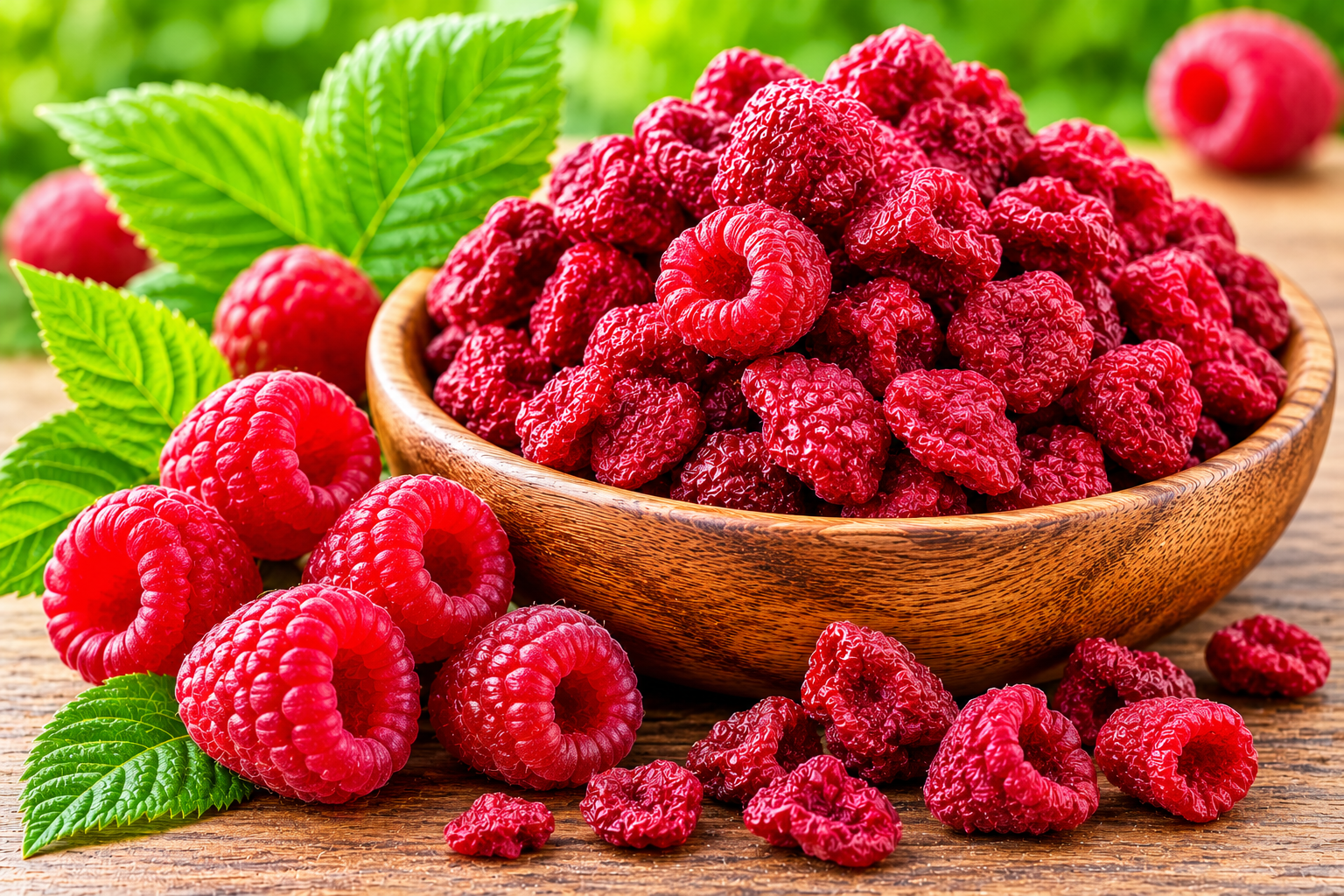
Dried raspberries are made by removing moisture from fresh raspberries to create a convenient fruit product with a concentrated flavor and longer storage potential.
They are popular among health-conscious consumers, snack manufacturers, bakeries, food processors and wholesale fruit distributors.
Depending on the processing method, they can have a chewy, crispy or lightweight texture.
Popular varieties include whole dried berries, freeze-dried raspberries, raspberry pieces, raspberry powder and fruit ingredients used in commercial food production.
Their distinctive sweet-tart flavor makes them suitable for breakfast cereals, smoothies, granola, chocolates, desserts and premium snack products.
2. Nutritional Value of Raspberries
Raspberries naturally contain dietary fiber, vitamin C, manganese and plant compounds such as anthocyanins and other polyphenols.
The nutritional composition of the dried product depends on the drying method, storage conditions and whether sugar or other ingredients have been added.
Important nutritional components include:
- Dietary Fiber: Contributes to normal digestive function.
- Vitamin C: Supports normal immune function and collagen formation.
- Manganese: Supports normal energy metabolism.
- Anthocyanins: Naturally occurring plant compounds responsible for red and purple colors.
- Polyphenols: Contribute to the fruit’s antioxidant profile.
- Carbohydrates: Provide energy.
Because moisture is removed, calories and natural sugars become more concentrated per 100 grams compared with fresh fruit.
Always check the nutrition label for serving size, calories, fiber and added sugar.
3. Top 7 Benefits of Dried Raspberries
1. Rich in Antioxidant Compounds
Raspberries contain naturally occurring polyphenols and anthocyanins. These compounds contribute to their attractive color and nutritional profile.
2. Supports Digestive Health
The natural dietary fiber in raspberries helps support normal digestion and bowel function.
3. Provides Vitamin C
Vitamin C supports normal immune system function and helps the body produce collagen.
4. Supports a Balanced Diet
These fruit ingredients provide fiber and plant compounds that can complement a varied and balanced eating pattern.
5. Convenient Energy Source
Their carbohydrate content provides energy, making them a convenient ingredient for snack mixes and breakfast foods.
6. Easy to Store and Carry
Properly processed and packaged products are lightweight and convenient for travel, office snacks and lunchboxes.
7. Versatile Food Ingredient
Their natural fruity flavor and attractive color make them useful in bakery products, chocolates, cereals, smoothies and desserts.
Nutrition note: Dried fruit is more concentrated in calories and sugars by weight than fresh fruit. Enjoy suitable portions and check whether commercial products contain added sugar.
4. Different Types of Dried Raspberry Products
Whole Dried Raspberries
Whole berries processed to reduce moisture. They are suitable for snack mixes and food ingredient applications.
Freeze-Dried Raspberries
These are frozen and dried under low-pressure conditions. They are lightweight, crisp and popular in premium snack products.
Raspberry Pieces
Small raspberry fragments used in cereals, granola, chocolates, cookies and bakery products.
Raspberry Powder
A powdered fruit ingredient used in smoothies, beverages, confectionery, bakery products and food formulations.
Unsweetened Raspberry Products
Made without added sugar, allowing the natural tart flavor of the fruit to stand out.
Raspberry Crumble
Small crispy raspberry pieces used as toppings for cakes, desserts, yogurt and ice cream.
5. Dried Raspberries vs. Fresh Raspberries
| Feature | Dried Raspberries | Fresh Raspberries |
|---|---|---|
| Water content | Lower | Higher |
| Texture | Crispy or chewy | Soft and juicy |
| Calories per 100 g | More concentrated | Generally lower |
| Natural sugars | More concentrated | Less concentrated |
| Portability | Very convenient | More delicate |
| Storage | Often longer | More perishable |
| Common uses | Snacks and baking | Fresh eating and desserts |
Both forms can be included in a balanced diet. The choice depends on taste, nutritional preferences and intended use.
6. How to Use Raspberries in Everyday Recipes
Their sweet-tart flavor makes them a versatile ingredient for home kitchens and commercial food production.
Here are some popular ideas:
- Add raspberry pieces to oatmeal and breakfast cereals.
- Mix with almonds, cashews and walnuts for trail mix.
- Sprinkle raspberry powder over yogurt and granola.
- Blend freeze-dried fruit into smoothies.
- Use raspberry pieces in muffins, cookies and cakes.
- Add them to homemade energy bars.
- Use raspberry crumble as an ice cream topping.
- Incorporate raspberry powder into chocolate products.
- Decorate cheesecakes and desserts with raspberry pieces.
These applications make the ingredient useful for both household consumption and food manufacturing.
7. Dried Raspberry Price: What Affects the Cost?
The market price varies according to processing method, raw material quality, product format and order quantity.
Important pricing factors include:
1. Processing Method: Freeze-dried products generally have different production costs from conventionally dried products.
2. Raw Material Quality: Raspberry variety, ripeness, size and sourcing affect the finished product.
3. Product Format: Whole berries, pieces, crumble and powder have different processing requirements.
4. Ingredients: Added sugar and other ingredients can influence the formulation and price.
5. Packaging: Retail pouches and bulk food-grade packaging have different costs.
6. Order Quantity: Wholesale customers may receive different pricing based on purchase volume.
7. Transportation: Shipping, handling and storage contribute to the final delivered cost.
For accurate pricing, request quotations from several suppliers and compare the cost per kilogram, product specifications and shipping charges.
8. How to Choose High-Quality Products
Before purchasing, consider these important factors:
- Check the ingredients: Look for products that match your preference for added sugar and preservatives.
- Inspect the appearance: Choose products with a natural appearance appropriate to the processing method.
- Check the texture: Select crispy or chewy varieties according to your intended use.
- Review packaging: Choose sealed, food-grade packaging that protects against moisture.
- Check expiry dates: Review manufacturing and best-before dates.
- Compare nutrition labels: Pay attention to calories, added sugars and fiber.
- Request samples: Commercial buyers should evaluate flavor, texture, color and consistency before placing bulk orders.
For premium freeze-dried products, check that the packaging protects against humidity because these products can quickly lose their crisp texture when exposed to moisture.
9. Bulk and Wholesale Buying Guide
The commercial market offers opportunities for businesses purchasing fruit ingredients in large quantities.
Potential buyers include:
- Supermarkets and grocery retailers
- Bakeries and confectionery manufacturers
- Food processing companies
- Premium snack brands
- Hotels and restaurants
- Ingredient distributors
- Importers and exporters
Before selecting a wholesale supplier, request information about:
- Minimum order quantity (MOQ)
- Wholesale price per kilogram
- Country of origin
- Product specifications
- Moisture content
- Added sugar and ingredients
- Food-grade packaging options
- Shelf life and storage recommendations
- Food safety certifications
- Private-label manufacturing options
- Sample availability
- Shipping and delivery conditions
Compare product samples and calculate the complete delivered cost before placing a large order.
10. Business Opportunities in the Raspberry Industry
The dried-fruit sector offers opportunities for entrepreneurs interested in food processing, retail, wholesale distribution and private-label manufacturing.
Retail Snack Business
Develop attractive fruit snack pouches for supermarkets, specialty stores and online marketplaces.
Wholesale Distribution
Supply fruit ingredients to retailers, restaurants, bakeries and food manufacturers.
Private-Label Fruit Products
Develop branded products for businesses that want to sell under their own brand name.
Freeze-Dried Fruit Manufacturing
Produce premium fruit ingredients for snack companies, cereal brands and food processors.
Raspberry Powder Manufacturing
Supply powdered fruit ingredients to beverage manufacturers, bakeries and confectionery companies.
Import and Export Business
Explore international distribution opportunities by connecting with importers, wholesalers and food ingredient buyers.
Before investing, research raw material availability, production capacity, equipment costs, packaging requirements and food safety regulations.
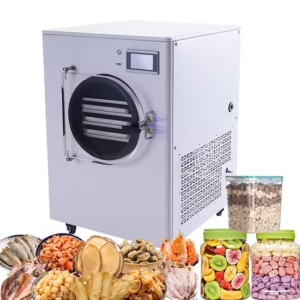
11. Commercial Freeze Dryer Machine: Buying Guide
Entrepreneurs planning to enter the freeze-dried fruit industry should carefully evaluate their equipment requirements.
Before purchasing a commercial freeze dryer machine, compare:
- Processing capacity per batch
- Electricity consumption
- Drying time
- Temperature and pressure controls
- Product quality and consistency
- Food-grade construction
- Installation requirements
- Maintenance expenses
- Spare parts availability
- Manufacturer warranty
- Technical support
For conventional fruit dehydration, compare commercial fruit dehydrator machines as well.
Request detailed quotations and equipment demonstrations from multiple manufacturers before investing.
12. Frequently Asked Questions
Are dried raspberries healthy?
They can be included in a balanced diet. They provide dietary fiber and naturally occurring plant compounds, but portion size matters because calories and sugars are concentrated by weight.
Are freeze-dried raspberries better than regular dried raspberries?
They have different textures and processing methods. Freeze-dried products are generally crisp and lightweight, while conventional dried products may be chewy.
Do dried raspberries contain added sugar?
Some commercial products contain added sugar, while others do not. Always check the ingredient list.
How should these products be stored?
Store them in sealed, moisture-resistant packaging in a cool, dry place. Follow the manufacturer’s storage recommendations.
Where can I buy raspberries in bulk?
Potential sources include fruit processors, freeze-dried fruit manufacturers, importers, exporters, wholesale distributors and private-label suppliers.
What is raspberry powder used for?
It can be used in smoothies, beverage mixes, bakery products, chocolates, desserts and selected food formulations.
Can I start a freeze-dried fruit business?
Yes. Research raw material costs, machinery investment, electricity consumption, packaging, market demand, distribution and food safety regulations before starting.
Conclusion
Dried raspberries are versatile fruit ingredients with applications in convenient snacking, baking, confectionery and commercial food manufacturing.
Their attractive color, distinctive flavor and different product formats make them useful for consumers and businesses alike.
Whether you are interested in premium fruit snacks, raspberry powder, bulk purchasing, private-label manufacturing or commercial freeze-drying equipment, comparing product quality, ingredients and supplier specifications is essential.
For business buyers: Request samples and detailed quotations from multiple suppliers before placing a bulk order.