Dried Grapes (Raisins): 15 Amazing Benefits, Nutrition, Uses, Price & Profitable Business Opportunities
Dried grapes, commonly known as raisins, are among the most popular dried fruit products worldwide. They are naturally sweet, convenient to store and widely used in everyday snacking, baking, breakfast foods, desserts and commercial food manufacturing.
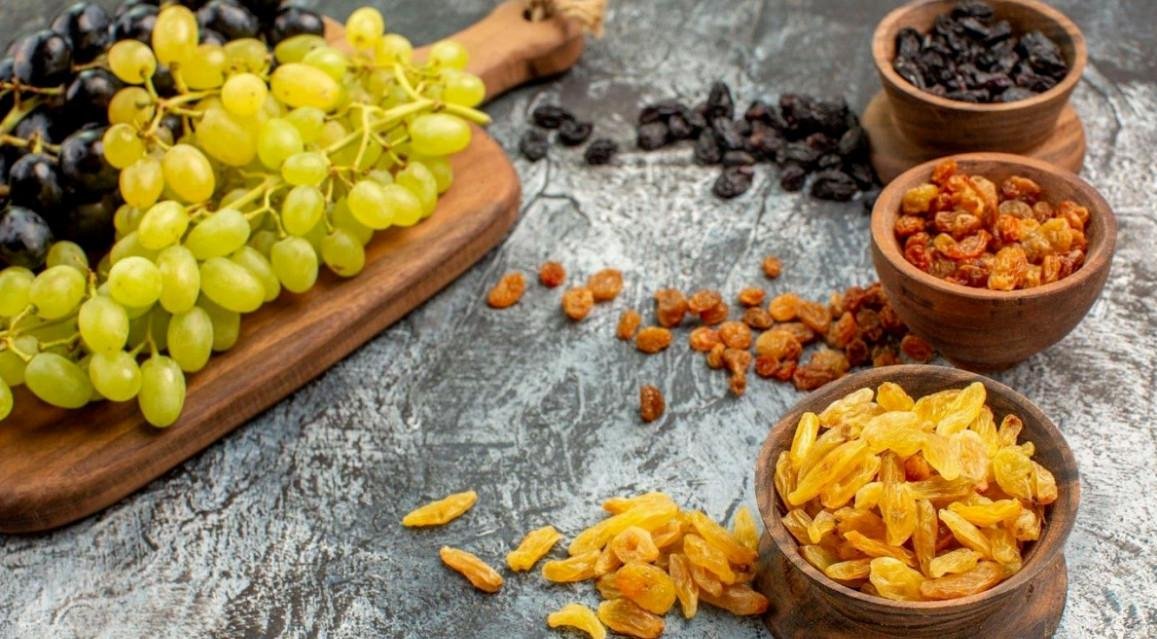
Produced by removing moisture from fresh grapes, raisins offer a concentrated fruit flavour and a naturally chewy texture. They are available in different colours, sizes and varieties, including golden raisins, black raisins, green raisins and premium seedless varieties.
Apart from their popularity as a food ingredient, dried grapes have significant commercial applications. Retailers, wholesalers, food manufacturers, exporters, private-label brands and bakery businesses all use raisins in their products.
In this complete guide, we explore dried grapes nutrition, potential benefits, different types, processing methods, culinary uses, prices, wholesale sourcing, business opportunities and industrial raisin-processing machinery.
1. What Are Dried Grapes?
Dried grapes are fresh grapes from which most of the moisture has been removed through natural or controlled drying methods. The resulting product is commonly called a raisin.
During drying, grapes shrink as their water content decreases. Their natural sugars become more concentrated by weight, producing the familiar sweet flavour and chewy texture.
Depending on the grape variety and processing technique, the finished product may be:
- Golden raisins
- Black raisins
- Green raisins
- Brown raisins
- Seedless raisins
- Seeded raisins
- Large premium raisins
- Small commercial-grade raisins
Dried grapes are commonly used in households, bakeries, hotels, restaurants, confectionery companies, breakfast cereal manufacturing and packaged snack businesses.
They are sold in small retail pouches, family packs, food-service packaging and bulk cartons for commercial buyers.
2. Nutritional Value of Dried Grapes
Raisins contain several nutrients, including carbohydrates, dietary fibre, potassium and small amounts of other minerals and vitamins.
Because moisture is removed during drying, nutrients and natural sugars become more concentrated by weight compared with fresh grapes.
| Nutrient or compound | Nutritional contribution |
|---|---|
| Carbohydrates | Provide energy |
| Natural sugars | Contribute to the sweet taste |
| Dietary fibre | Supports normal digestion |
| Potassium | Supports normal muscle and nerve function |
| Iron | Contributes to normal oxygen transport |
| Copper | Supports normal energy metabolism |
| Vitamin B6 | Contributes to normal energy metabolism |
| Plant polyphenols | Naturally occurring antioxidant compounds |
The exact nutritional profile depends on grape variety, growing conditions, drying method, processing and serving size.
Nutrition note: Raisins are naturally sweet and energy-dense. Check product labels for added sugar, oils, preservatives or other ingredients.
3. 15 Potential Benefits of Dried Grapes
Raisins can contribute useful nutrients to a balanced eating pattern. Here are 15 reasons they are popular among consumers.
1. Provides Dietary Fibre
Raisins contain dietary fibre, which contributes to normal digestion and bowel function. Including fibre-rich foods in your diet can support digestive regularity.
2. Offers a Convenient Energy Source
Their natural carbohydrates provide energy, making them a convenient snack for busy days, travel and outdoor activities.
3. Contains Potassium
Potassium is an essential mineral that contributes to normal muscle function, nerve signalling and fluid balance.
4. Contains Iron
Dried grapes provide some iron, which contributes to normal red blood cell formation and oxygen transport. Plant-based iron is generally less readily absorbed than iron from animal foods.
5. Provides Antioxidant Plant Compounds
Raisins contain naturally occurring polyphenols and other plant compounds. These contribute to their nutritional profile.
6. Supports a Fibre-Rich Diet
Including raisins with whole grains, nuts, seeds and fresh fruit can help increase the variety of fibre-containing foods in your meals.
7. Convenient for Active Lifestyles
Their compact size and portability make them useful for packed lunches, travel, hiking and everyday snacking.
8. Adds Natural Sweetness to Recipes
Raisins can add sweetness to food without requiring additional refined sugar in some recipes. However, their own natural sugars still contribute to the total sugar content.
9. Contains Copper
Copper contributes to normal energy metabolism, connective tissue maintenance and nervous system function.
10. Easy to Add to Breakfast
You can add them to porridge, oatmeal, cereal, granola, yoghurt and smoothie bowls.
11. Useful in Plant-Based Diets
Raisins can be included in vegan snack mixes, homemade energy bites, salads and plant-based desserts.
12. Convenient to Store
Properly dried and packaged raisins can be stored for longer than fresh grapes under suitable conditions.
13. Adds Texture to Meals
Their chewy texture complements nuts, seeds, salads, rice dishes, baked foods and desserts.
14. Versatile in Cooking and Baking
They are widely used in cakes, cookies, breads, puddings, rice dishes and confectionery.
15. Helps Add Fruit Variety
Eating different types of fruit is part of a balanced diet. Raisins provide another convenient way to include fruit in meals and snacks.
These are general nutritional contributions, not claims that raisins prevent or treat medical conditions.
4. Different Types of Dried Grapes
Raisins are available in several varieties, each with its own appearance, flavour and commercial applications.
| Type | Appearance | Common characteristics |
|---|---|---|
| Black raisins | Dark brown to black | Sweet flavour and chewy texture |
| Golden raisins | Golden yellow | Usually processed to maintain a lighter colour |
| Green raisins | Light green to olive | Often long and relatively large |
| Brown raisins | Medium to dark brown | Common everyday variety |
| Seedless raisins | No seeds | Convenient for baking and snacking |
| Seeded raisins | Seeds present | Used in selected traditional markets |
| Sultanas | Usually golden or light brown | Commonly made from seedless grape varieties |
| Premium large raisins | Larger individual fruit | Often sold in premium retail packs |
Which Type Should You Choose?
- For everyday snacking: Black or seedless raisins are convenient.
- For baking: Seedless raisins and sultanas are popular.
- For premium retail: Large, uniform raisins can be attractive.
- For speciality markets: Green and golden varieties offer product differentiation.
- For wholesale: Choose a consistent size, moisture level and grade.
The name and processing characteristics of raisin varieties can differ between countries, so commercial buyers should always confirm the actual product specification.
5. How Are Dried Grapes Made?
Commercial raisin production involves several steps to achieve suitable moisture, flavour, appearance and storage stability.
- Harvesting: Mature grapes are harvested at the appropriate stage.
- Sorting: Damaged, unripe or unsuitable grapes are removed.
- Cleaning: Grapes are cleaned according to the processing method.
- Pre-treatment: Certain production methods use approved treatments to support drying or colour quality.
- Drying: Grapes are dried using natural sunlight, shade drying or controlled mechanical systems.
- Conditioning: Dried grapes are allowed to stabilise so moisture becomes more evenly distributed.
- Cleaning and grading: Products are inspected and sorted by size, colour and quality.
- Stem removal: Stems and unwanted materials are removed.
- Quality testing: Moisture, appearance and food safety parameters are checked.
- Packaging: Finished raisins are packed in food-grade packaging.
- Storage and distribution: Products are stored under appropriate conditions before delivery.
Sun Drying vs Mechanical Drying
| Feature | Sun drying | Mechanical drying |
|---|---|---|
| Equipment investment | Usually lower | Higher initial investment |
| Weather dependence | High | Lower |
| Drying control | More limited | More precise |
| Production consistency | Can vary | Easier to standardise |
| Production scale | Often seasonal | Suitable for planned production |
| Process monitoring | Requires careful management | Can be automated |
The appropriate method depends on grape variety, production scale, local climate, energy costs and the required product specification.
6. Dried Grapes vs Fresh Grapes
Fresh grapes and raisins offer different eating experiences and storage advantages.
| Feature | Fresh grapes | Dried grapes |
|---|---|---|
| Water content | High | Much lower |
| Texture | Juicy and crisp | Chewy |
| Natural sugars by weight | Less concentrated | More concentrated |
| Flavour | Fresh and juicy | Sweet and concentrated |
| Storage | Relatively short | Generally longer when properly stored |
| Portability | More delicate | Convenient |
| Common uses | Fresh eating and juice | Snacks, baking and cooking |
Raisins contain more concentrated natural sugars and calories by weight because most of the water has been removed. Portion size is therefore important.
7. Popular Uses of Dried Grapes
Raisins are among the most versatile dried fruit ingredients and are used in many food categories.
A. Everyday Snacking
Enjoy them on their own or combine them with:
- Almonds
- Cashews
- Walnuts
- Pistachios
- Pumpkin seeds
- Other dried fruits
B. Breakfast Foods
Add raisins to:
- Oatmeal
- Muesli
- Granola
- Breakfast cereals
- Yoghurt bowls
- Smoothies
C. Baking and Desserts
They are commonly used in:
- Cakes
- Cookies
- Muffins
- Fruit breads
- Biscuits
- Puddings
- Sweet rolls
D. Traditional Cooking
Raisins are widely used in rice dishes, pulao, biryani, desserts, festive foods and selected savoury recipes.
E. Commercial Food Manufacturing
Food manufacturers use raisins in:
- Breakfast bars
- Trail mixes
- Cereals
- Confectionery
- Bakery fillings
- Packaged snacks
- Fruit and nut mixes
F. Food Service and Hospitality
Hotels, restaurants, bakeries and catering businesses use raisins in desserts, salads, baked goods and prepared meals.
8. Easy Recipe: Homemade Raisin and Nut Energy Mix
This simple snack mix is easy to prepare and can be customised according to your taste.
Ingredients:
- ½ cup raisins
- ½ cup almonds
- ¼ cup walnuts
- ¼ cup roasted pumpkin seeds
- 2 tablespoons sunflower seeds
- 2 tablespoons unsweetened coconut flakes
Preparation:
- Add the raisins to a mixing bowl.
- Add almonds and walnuts.
- Add pumpkin seeds and sunflower seeds.
- Mix all ingredients thoroughly.
- Add coconut flakes.
- Transfer the mixture into a clean, airtight container.
Enjoy a small portion as a convenient snack. Store in a cool, dry place and follow suitable storage practices for the ingredients.
9. Dried Grapes Price: What Determines the Cost?
The price of raisins depends on several factors, including grape variety, country of origin, size, grade, colour, processing method and packaging.
Important pricing factors include:
1. Country of origin: Different grape-producing regions have different production costs and supply conditions.
2. Grape variety: Different varieties can produce raisins with different sizes, flavours and textures.
3. Product grade: Large, uniform and clean raisins may command higher prices.
4. Seedless or seeded format: Seed removal and product selection can affect processing costs.
5. Colour: Golden, green and premium varieties may have different production and market pricing.
6. Moisture content: Moisture specifications affect texture, shelf stability and product handling.
7. Organic certification: Certified organic products may involve additional production and inspection costs.
8. Packaging: Retail pouches, jars, vacuum packs and bulk cartons affect final pricing.
9. Shipping and import duties: Freight, insurance, customs charges and taxes influence landed costs.
10. Order quantity: Bulk and container-level purchases may receive different pricing from smaller orders.
How to Request a Raisin Wholesale Quote
When contacting suppliers, specify:
- Required raisin variety
- Seedless or seeded preference
- Required quantity
- Size and grade
- Moisture specification
- Packaging format
- Organic or other certification requirements
- Delivery destination
Request samples and a written quotation before placing a large order.
10. How to Choose High-Quality Dried Grapes
Quality matters whether you are purchasing a small retail pack or sourcing commercial quantities.
Use this checklist:
- Look for clean and uniform raisins.
- Check the colour and size consistency.
- Avoid visible mould or insect contamination.
- Check for unusual odours.
- Review the ingredient list.
- Confirm whether oil or preservatives have been added.
- Check the moisture specification.
- Examine packaging for damage.
- Verify batch details and best-before dates.
- Request samples before bulk purchasing.
What Should Commercial Buyers Check?
Professional buyers should request:
- Country of origin
- Grape variety
- Product grade
- Size range
- Moisture specification
- Ingredient and additive declaration
- Food safety documentation
- Packaging details
- Shelf-life information
- Storage recommendations
A written product specification helps buyers compare suppliers more accurately.
11. Dried Grapes Wholesale: Bulk Buying and Supplier Selection
Wholesale purchasing can be attractive for retailers, supermarkets, food manufacturers, bakeries and distributors.
Raisins are commonly supplied in food-grade cartons, bulk bags, lined boxes and retail-ready pouches.
Potential Wholesale Customers
- Supermarkets
- Grocery retailers
- Dry fruit shops
- Online grocery stores
- Bakeries
- Hotels and restaurants
- Cereal manufacturers
- Snack producers
- Confectionery companies
- Food ingredient distributors
- Importers and exporters
How to Find Reliable Raisin Suppliers
- Search for established grape growers and raisin processors.
- Compare country of origin and product specifications.
- Request samples.
- Verify food safety certifications and documentation.
- Confirm minimum order quantities.
- Check packaging and storage requirements.
- Discuss payment and delivery terms.
- Confirm import regulations where relevant.
- Start with a manageable order before expanding.
Reliable sourcing and consistent product quality are important for building long-term wholesale relationships.
12. Profitable Business Opportunities in the Dried Grapes Market
Raisins offer opportunities across retail, distribution, food manufacturing and international trade.
1. Wholesale Raisin Distribution
Purchase raisins from growers, processors or importers and supply retailers, supermarkets, bakeries and food manufacturers.
You can specialise in golden raisins, black raisins, green raisins or mixed dried fruit products.
2. Private Label Raisin Brand
Build your own brand by sourcing products from an established processor and selling them in branded packaging.
Possible pack formats include:
- 100 g snack pouches
- 200 g and 250 g packs
- 500 g family packs
- 1 kg food-service packs
- Bulk cartons for commercial customers
Private-label businesses need to manage packaging, product specifications, food labelling and brand positioning.
3. Online Dried Fruit Store
Sell through an independent e-commerce website or suitable online marketplaces.
Your product pages should include:
- Attractive product photography
- Accurate product descriptions
- Ingredient information
- Net weight
- Storage instructions
- Pricing and delivery information
- Clear product grades and varieties
4. Raisin Export and Import Business
International trade can provide opportunities for businesses with access to reliable suppliers and the ability to meet destination-country food safety and labelling regulations.
Research customs documentation, import duties, pesticide residue limits, permitted additives and applicable food standards before shipping.
5. Dried Fruit Processing and Packaging
Businesses with access to fresh grapes and suitable investment can establish a processing operation involving sorting, drying, grading, cleaning and packaging.
A feasibility study should include seasonal raw material availability, production yield, labour, energy, machinery, storage and distribution costs.
6. Healthy Snack Manufacturing
Raisins can be combined with nuts, seeds and other dried fruits to manufacture:
- Trail mixes
- Fruit and nut bars
- Energy bites
- Breakfast mixes
- Snack packs
- Ready-to-eat products
7. Bakery and Food Ingredient Supply
Supply raisins to bakeries, hotels, restaurants, confectionery companies and cereal manufacturers that require consistent commercial ingredients.
Business planning tip: Calculate raw material costs, processing losses, labour, packaging, storage, freight, marketing, taxes and distribution before estimating profit. Business performance depends on actual market prices and operating costs.
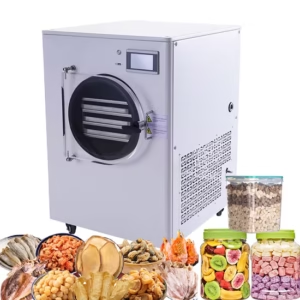
13. Industrial Raisin Processing Machine and Commercial Drying Equipment
Businesses planning to manufacture dried grapes may require specialised agricultural and food-processing equipment.
The appropriate machinery depends on production capacity, grape variety, drying method and finished product specifications.
| Equipment | Main function |
|---|---|
| Grape washing machine | Cleans fresh grapes |
| Sorting and grading machine | Separates grapes by size and quality |
| Stem removal equipment | Removes unwanted stems |
| Grape pre-treatment equipment | Supports selected processing methods |
| Tray dryer | Dries grapes in controlled batches |
| Cabinet dryer | Suitable for small and medium operations |
| Industrial hot-air dryer | Supports larger production |
| Continuous belt dryer | Enables continuous drying |
| Heat pump dryer | Provides controlled drying with energy-efficiency potential |
| Raisin cleaning machine | Removes unwanted materials |
| Optical sorting machine | Separates products based on visual characteristics |
| Moisture testing equipment | Checks finished product moisture |
| Weighing and filling machine | Measures and fills packaging |
| Automatic sealing machine | Seals finished packs |
How to Choose a Commercial Raisin Dryer
Before buying an industrial fruit dryer, compare:
- Production capacity per batch and per day
- Temperature and airflow control
- Drying uniformity
- Energy consumption
- Food-contact material specifications
- Cleaning and maintenance requirements
- Spare parts availability
- Installation and operator training
- Warranty and technical support
Ask equipment manufacturers for performance data using the grape variety and moisture specifications relevant to your operation.
Do not choose a machine based only on its advertised capacity. Drying time, product yield, energy consumption and finished product quality are equally important.
14. High-CPC Commercial SEO Keywords for Dried Grapes
Businesses targeting commercial buyers should consider keywords that indicate purchasing, wholesale sourcing, manufacturing and machinery investment.
The following are commercial keyword ideas, not verified CPC values. Actual cost-per-click figures vary by country, competition, advertising settings and time.
| Keyword idea | Search intent |
|---|---|
| Dried grapes wholesale | Wholesale purchasing |
| Raisins wholesale supplier | Supplier discovery |
| Bulk raisins supplier | Bulk sourcing |
| Dried grapes price per kg | Price comparison |
| Raisin manufacturers | Manufacturer discovery |
| Seedless raisins supplier | Product sourcing |
| Golden raisins wholesale | Wholesale purchasing |
| Organic raisins supplier | Certified product sourcing |
| Raisin exporters | Export sourcing |
| Private label raisins | Branding and manufacturing |
| Dried fruit supplier | Commercial sourcing |
| Raisin processing machine | Machinery purchase |
| Industrial grape drying machine | Industrial equipment |
| Commercial fruit dehydrator | Equipment purchase |
| Dried fruit packaging machine | Packaging equipment |
| Industrial food dryer price | Machinery price comparison |
| Dried fruit processing plant | Manufacturing investment |
How to Research High-CPC Keywords
Use Google Keyword Planner or another established keyword research platform to check:
- Average monthly searches.
- Advertiser competition.
- Top-of-page bid estimates.
- Country-specific CPC estimates.
- Commercial search intent.
- Related long-tail search terms.
Keywords such as “bulk raisins supplier”, “private label raisins” and “raisin processing machine” may have lower search volume than general food terms, but they can attract visitors with clearer commercial intent.
Create separate landing pages for wholesale supply, private-label products, export services and processing machinery. This helps convert relevant visitors into business enquiries.
15. Frequently Asked Questions About Dried Grapes
What are dried grapes called?
Dried grapes are commonly called raisins. They are produced by removing most of the moisture from fresh grapes.
Are raisins and sultanas the same?
Both are dried grape products, but the names and production methods can differ by region. Sultanas are commonly made from seedless grape varieties and are often lighter in colour.
Are dried grapes healthy?
They provide dietary fibre, potassium, iron, copper and naturally occurring plant compounds. They can be included in a balanced diet in appropriate portions.
How many raisins can I eat daily?
A small serving, often around 30 g, is a practical starting point for many adults. Individual requirements vary according to overall diet and health circumstances.
Are raisins high in sugar?
Yes. Raisins contain natural fruit sugars that become more concentrated by weight during drying. Check the product label for added sugar.
Are dried grapes good for digestion?
Their dietary fibre contributes to normal bowel function. They can be included in a fibre-rich diet alongside vegetables, whole grains and other fruits.
What is the difference between golden and black raisins?
Golden raisins are usually processed to maintain a lighter colour, while black raisins are darker. Their taste, texture and processing characteristics can vary.
How should raisins be stored?
Store them in an airtight, food-safe container in a cool, dry place. Follow the packaging instructions and protect the product from moisture.
Can raisins be used in baking?
Yes. They are widely used in cakes, cookies, muffins, breads, puddings and other baked products.
Where can businesses buy dried grapes wholesale?
Businesses can approach established grape growers, raisin processors, exporters, importers and food ingredient distributors. Compare samples, specifications, certification and delivery terms before choosing a supplier.
Is a raisin processing business profitable?
It can offer commercial opportunities, but profitability depends on raw material costs, drying yield, machinery, energy, labour, packaging, market demand and distribution expenses. A detailed feasibility study is essential.
Conclusion
Dried grapes, commonly known as raisins, are a versatile fruit product valued for their natural sweetness, convenience and wide range of food applications. They can be enjoyed as snacks, added to breakfast foods, used in baking and supplied as ingredients for commercial food manufacturing.
For entrepreneurs, the market offers opportunities in wholesale distribution, private-label branding, online retail, snack manufacturing, bakery supply, processing machinery and international trade.
Whether you are buying raisins for everyday consumption or exploring a commercial dried fruit venture, understanding product grades, sourcing, processing and market demand can help you make informed decisions.
Explore more dried fruit guides on Wellness N Wealth to discover healthy food choices, natural ingredients and profitable business opportunities.