Dried Orange: 15 Amazing Benefits, Nutrition, Uses, Price & Profitable Business Opportunities
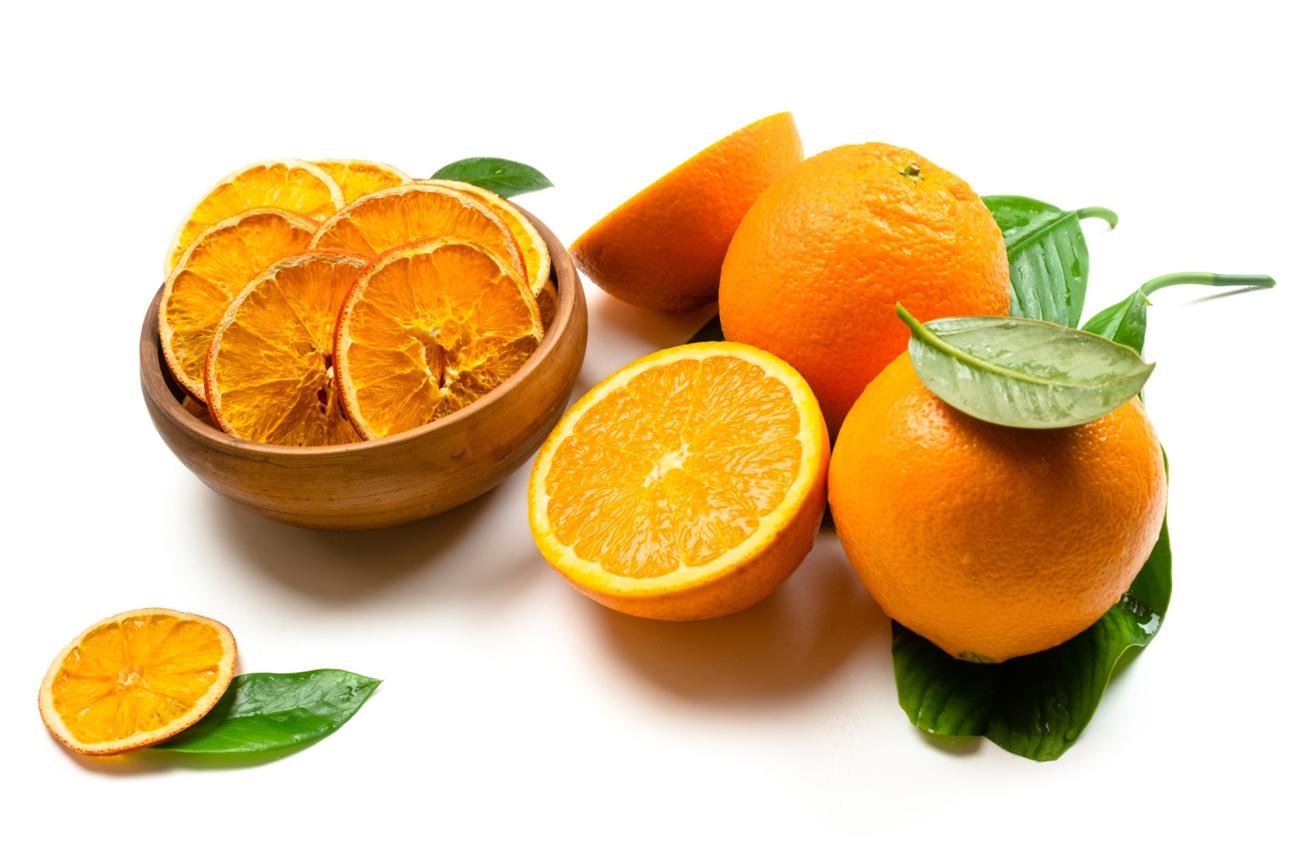
Dried orange is a versatile fruit product known for its refreshing citrus aroma, attractive appearance and sweet-tangy flavour. Made by removing moisture from fresh oranges, it is used in snacks, beverages, baking, desserts, tea blends, natural decorations and commercial food manufacturing.
From premium dried orange slices used in speciality drinks to orange peel powder used in food and cosmetic formulations, this product offers several applications across different industries. Its convenient storage, distinctive appearance and citrus flavour make it an interesting ingredient for both consumers and businesses.
The growing interest in natural ingredients, speciality foods and dehydrated fruit products also creates opportunities for entrepreneurs, wholesalers, exporters, private-label brands and food manufacturers.
In this complete guide, we explore dried orange nutrition, potential benefits, varieties, processing methods, culinary uses, prices, wholesale sourcing, business opportunities and industrial drying machinery.
1. What Is Dried Orange?
Dried orange is produced by removing most of the moisture from fresh oranges through natural or controlled drying methods. The fruit can be processed into round slices, half slices, wedges, peel strips, granules or powder.
The finished product retains much of the characteristic citrus aroma and flavour of the original fruit, although its texture and taste become more concentrated during drying.
Depending on the intended application, oranges may be dried with or without their peel.
Common commercial formats include:
- Whole dried orange slices
- Dehydrated orange wheels
- Dried orange peel
- Orange peel strips
- Dried orange pieces
- Orange powder
- Candied orange slices
- Orange ingredients for tea and beverage blends
Dried orange is used in homes, restaurants, bakeries, hotels, beverage companies, food processing facilities and speciality gift businesses.
2. Nutritional Value of Dried Orange
Oranges are naturally known for their vitamin C content, fibre and plant compounds. Drying removes water, so the remaining fruit becomes more concentrated by weight. However, vitamin C and other nutrients can also decrease during processing, depending on temperature, exposure to oxygen and drying time.
| Nutrient or compound | Nutritional contribution |
|---|---|
| Dietary fibre | Supports normal digestion |
| Vitamin C | Contributes to normal immune function and collagen formation |
| Potassium | Supports normal muscle and nerve function |
| Folate | Contributes to normal cell division |
| Calcium | Supports normal bone and teeth maintenance |
| Citrus flavonoids | Naturally occurring plant compounds |
| Carotenoids | Plant pigments found in some orange varieties |
The nutritional profile depends on the orange variety, whether the peel is included, drying temperature, processing method and serving size.
Important: Dried orange is not nutritionally identical to fresh orange. Some products, especially candied varieties, may contain added sugar. Always check the ingredient label.
3. 15 Potential Benefits of Dried Orange
Dried orange can provide useful nutrients and plant compounds as part of a varied and balanced diet. Here are 15 reasons it is used in food and beverage products.
1. Provides Dietary Fibre
Orange flesh and peel contain dietary fibre. Fibre contributes to normal digestion and bowel function.
2. Contains Vitamin C
Oranges are naturally a source of vitamin C. This nutrient contributes to normal immune function, collagen formation and protection of cells from oxidative stress. The amount retained in dried products varies with processing.
3. Contains Citrus Plant Compounds
Oranges contain flavonoids and other naturally occurring plant compounds. These contribute to the fruit’s nutritional profile and characteristic citrus properties.
4. Provides Natural Citrus Flavour
The concentrated flavour makes dried orange a useful ingredient in teas, desserts, baked goods and speciality beverages.
5. Convenient for Storage
Properly dried and packaged orange products can be easier to store and transport than fresh oranges, provided moisture is controlled.
6. Useful in Herbal Tea Blends
Dried orange slices and peel are popular ingredients in fruit teas, herbal infusions and speciality beverage blends.
7. Adds Variety to a Balanced Diet
Dried fruit can add variety to meals and snacks. Orange pieces can be combined with nuts, seeds and other dried fruits.
8. Contains Potassium
Potassium contributes to normal muscle function, nerve signalling and fluid balance.
9. Provides Citrus Aroma
The peel contains aromatic oils that give oranges their recognisable fragrance. This makes dried peel useful in culinary and fragrance applications.
10. Useful in Baking
Dried orange pieces and peel can add citrus flavour to cakes, cookies, muffins, breads and dessert toppings.
11. Convenient for Travel
Small, properly packaged portions can be carried as snacks or used to prepare drinks while travelling.
12. Offers Decorative Food Applications
Beautifully dried orange wheels are used to decorate cakes, mocktails, desserts, gift hampers and speciality food presentations.
13. Supports Ingredient Innovation
Food manufacturers can use dried orange powder, peel and slices in new beverage, bakery and snack formulations.
14. Can Be Used in Homemade Infusions
Dried orange slices can be steeped in hot water with cinnamon, ginger or other ingredients to create flavoured drinks.
15. Provides a Versatile Citrus Ingredient
Different parts of the orange can be processed into different commercial products, helping manufacturers develop multiple product formats from the same raw material.
These are general nutritional and culinary contributions, not claims that dried orange prevents or treats medical conditions.
4. Different Types of Dried Orange Products
The commercial market offers several formats depending on the processing method and intended application.
| Product type | Description | Common application |
|---|---|---|
| Dried orange slices | Round slices with peel | Tea, cocktails and decoration |
| Dehydrated orange wheels | Uniform circular slices | Hotels, bars and premium beverages |
| Dried orange peel | Dried outer peel | Tea, baking and food ingredients |
| Orange peel strips | Long strips of dried peel | Confectionery and decoration |
| Dried orange pieces | Small chopped fruit pieces | Cereals and snack mixes |
| Orange powder | Finely ground dried orange | Food formulations and flavouring |
| Candied orange slices | Orange slices preserved with sugar | Desserts and confectionery |
| Organic dried orange | Produced under applicable organic standards | Organic food retail |
Which Type Is Best?
- For tea and beverages: Choose clean, evenly dried slices or peel.
- For cocktails and mocktails: Uniform orange wheels are attractive.
- For baking: Dried peel, chopped orange and orange powder are convenient.
- For decoration: Choose whole, well-shaped slices with consistent colour.
- For food manufacturing: Request specifications for moisture, particle size, ingredients and food safety.
- For organic retail: Verify the applicable organic certification.
5. How Is Dried Orange Made?
Commercial orange dehydration involves several stages to achieve consistent colour, flavour, texture and shelf stability.
- Fruit selection: Fresh, mature oranges are selected according to size, quality and ripeness.
- Washing: Oranges are cleaned to remove dirt and surface contaminants.
- Sorting: Damaged or unsuitable fruit is removed.
- Slicing: Fruit is cut into uniform slices, wedges or other required shapes.
- Pre-treatment: Depending on the process, suitable food-grade pre-treatments may be used to support product quality.
- Drying: Moisture is reduced using controlled hot-air, heat-pump or other suitable drying systems.
- Cooling: Dried products are cooled before packaging.
- Quality inspection: Colour, texture, moisture and appearance are checked.
- Packaging: Products are packed in suitable moisture-resistant packaging.
- Storage: Finished products are kept in appropriate storage conditions.
Natural Sun Drying vs Industrial Dehydration
| Feature | Sun drying | Industrial dehydration |
|---|---|---|
| Equipment cost | Usually lower | Higher initial investment |
| Weather dependence | High | Lower |
| Drying control | Limited | More precise |
| Batch consistency | Can vary | Easier to standardise |
| Production scale | Often smaller | Suitable for larger operations |
| Hygiene management | Requires careful protection | Controlled facilities can improve process management |
For commercial production, controlled drying systems can help manufacturers maintain consistent specifications and manage larger volumes.
6. Dried Orange vs Fresh Orange
Both fresh and dried oranges have their uses, but they differ in water content, texture, storage and flavour concentration.
| Feature | Fresh orange | Dried orange |
|---|---|---|
| Water content | High | Much lower |
| Texture | Juicy | Chewy, crisp or brittle |
| Flavour | Fresh and juicy | More concentrated |
| Vitamin C | Naturally present | Amount varies after drying |
| Storage | Relatively short | Generally longer when properly dried and packed |
| Portability | More delicate | Convenient |
| Applications | Fresh eating and juice | Tea, baking, decoration and snacks |
Dried orange is more concentrated by weight. Fresh orange is generally the better choice when you want a juicy fruit serving, while dried slices offer convenience and specialised culinary uses.
7. Popular Uses of Dried Orange
Dried orange has applications across household kitchens, hospitality, food manufacturing and speciality retail.
A. Tea and Herbal Infusions
Dried orange slices and peel can be combined with:
- Green tea
- Black tea
- Cinnamon
- Ginger
- Hibiscus
- Mint
- Cloves
They add a pleasant citrus aroma and flavour to hot infusions.
B. Cocktails and Mocktails
Dried orange wheels are popular as garnishes for:
- Mocktails
- Fruit punches
- Sparkling drinks
- Iced tea
- Speciality beverages
They offer an attractive presentation and a concentrated citrus aroma.
C. Baking and Desserts
Dried orange can be used in:
- Cakes
- Cookies
- Muffins
- Fruit breads
- Chocolate desserts
- Pastries
- Dessert decorations
D. Breakfast Foods
Small pieces of dried orange can be added to:
- Granola
- Muesli
- Oatmeal
- Breakfast cereals
- Trail mixes
- Yoghurt toppings
E. Cooking
Dried orange peel can add citrus notes to sauces, marinades, rice dishes and selected savoury recipes.
F. Food Manufacturing
Commercial manufacturers use orange peel, slices and powder in beverage mixes, bakery products, confectionery, fruit preparations and speciality food ingredients.
G. Home Decoration and Gift Hampers
Attractive dried orange wheels are used in seasonal decorations, handmade gifts, potpourri and decorative food arrangements. Products intended for decoration should be clearly separated from food-grade products.
8. Easy Recipe: Homemade Dried Orange and Cinnamon Tea
This simple citrus infusion is easy to prepare at home.
Ingredients:
- 2 dried orange slices
- 1 small cinnamon stick
- 2–3 thin slices of fresh ginger
- 1–2 cups of hot water
- Honey, optional
Preparation:
- Place the dried orange slices in a cup or teapot.
- Add cinnamon and ginger.
- Pour hot water over the ingredients.
- Allow the mixture to steep for approximately 5–8 minutes.
- Strain if desired.
- Add a little honey if you prefer a sweeter taste.
Serve warm. Adjust the ingredients to suit your taste.
9. Dried Orange Price: What Determines the Cost?
The price of dried orange products depends on several factors, including raw material quality, processing method, slice thickness, grade, packaging and order quantity.
Important price factors include:
1. Orange variety: Different orange varieties can have different flavour, colour and processing characteristics.
2. Product format: Whole slices, peel strips, powder and candied slices involve different processing requirements.
3. Slice thickness: Uniform slices may require more precise cutting and sorting.
4. Drying method: Energy consumption, equipment and processing time influence production costs.
5. Colour and appearance: Attractive, evenly dried slices may command premium prices in decorative and hospitality markets.
6. Organic certification: Certified organic products may involve additional production and inspection costs.
7. Packaging: Retail pouches, jars, gift boxes and bulk cartons affect the final price.
8. Shipping and storage: Freight, humidity control, handling and import duties influence the landed cost.
9. Order quantity: Wholesale orders may have different price structures from small retail purchases.
How to Request a Wholesale Quote
When contacting a supplier, specify:
- Required product format
- Slice diameter and thickness
- Required quantity
- Moisture specification
- Whether peel is included
- Food-grade or decorative use
- Packaging requirements
- Delivery destination
- Certification requirements
Request samples and a detailed quotation before making a large purchase.
10. How to Choose High-Quality Dried Orange
Quality matters for consumers, retailers, hospitality buyers and food manufacturers.
Use this checklist:
- Look for clean, evenly dried slices.
- Check for consistent thickness and appearance.
- Avoid visible mould or unusual odours.
- Check moisture specifications.
- Confirm whether added sugar or preservatives are present.
- Review the ingredient declaration.
- Check packaging for damage.
- Verify batch number and best-before date.
- Request food safety documentation for commercial orders.
- Ask for samples before bulk purchasing.
Special Checks for Dried Orange Slices
If purchasing slices for cocktails, tea or decoration, examine:
- Slice shape and diameter
- Colour consistency
- Visible seeds
- Peel appearance
- Texture and brittleness
- Moisture and packaging quality
For food manufacturing, request a specification sheet and relevant quality testing documents.
11. Dried Orange Wholesale: Bulk Buying and Supplier Selection
Wholesale sourcing can be attractive for businesses supplying supermarkets, hotels, bars, bakeries, tea brands and food manufacturers.
Dried orange is available in retail packs, food-service packaging and bulk cartons.
Potential Wholesale Customers
- Supermarkets and grocery retailers
- Tea and herbal infusion brands
- Hotels and restaurants
- Bars and beverage businesses
- Bakeries and confectionery companies
- Food ingredient distributors
- Online speciality food stores
- Gift hamper businesses
- Food manufacturers
- Importers and exporters
How to Find Reliable Dried Orange Suppliers
- Search for established fruit processors and exporters.
- Compare product formats and specifications.
- Request samples and product photographs.
- Check food safety documentation.
- Confirm minimum order quantity.
- Review packaging and storage requirements.
- Discuss payment and shipping terms.
- Verify import regulations where applicable.
- Start with a manageable order before scaling.
A reliable supplier should provide clear product specifications, transparent pricing and consistent quality.
12. Profitable Business Opportunities in the Dried Orange Market
Dried orange offers several potential business models across retail, hospitality, food manufacturing and ingredient supply.
1. Wholesale Distribution Business
Purchase dried orange products from manufacturers and supply retailers, hotels, beverage companies, tea brands and food businesses.
You can specialise in orange wheels, peel strips, orange powder or mixed citrus products.
2. Private Label Dried Orange Brand
Build your own brand by sourcing products from an established processor and selling them in branded packaging.
Possible pack formats include:
- 20–30 g premium garnish packs
- 50 g cocktail garnish packs
- 100 g snack packs
- 250 g family packs
- 500 g food-service packs
- Bulk cartons for commercial buyers
Packaging should communicate the product’s intended use, ingredients, net weight and storage instructions.
3. Online Dried Fruit Store
Sell through your own e-commerce website or suitable online marketplaces.
Product pages should include:
- High-quality product photography
- Clear product descriptions
- Accurate ingredient information
- Pack size and weight
- Storage instructions
- Pricing and delivery details
- Food-use information
4. Cocktail and Mocktail Garnish Business
Dried orange wheels are attractive to hospitality buyers. A business can supply bars, restaurants, hotels, caterers and event companies with consistently sized garnish packs.
5. Tea and Herbal Blend Manufacturing
Dried orange slices and peel can be combined with tea leaves, herbs and spices to develop speciality infusion products.
Potential products include citrus herbal blends, orange cinnamon tea and mixed fruit infusions.
6. Orange Peel Powder Manufacturing
Dried orange peel can be milled into powder for suitable food applications. Depending on the formulation and regulatory requirements, orange peel ingredients may also be used in selected personal-care and cosmetic products.
Food-grade and cosmetic-grade products require appropriate quality controls and should not be marketed interchangeably without suitable specifications.
7. Export and Import Business
International trade can provide opportunities for companies that can source consistent products and meet destination-country food regulations, packaging rules and documentation requirements.
8. Dried Fruit Processing and Manufacturing
Entrepreneurs with access to fresh oranges and suitable capital can explore their own processing operation.
Potential activities include washing, slicing, dehydration, grading, quality testing and packaging.
Business tip: Prepare a detailed cost calculation before investing. Include raw oranges, processing yield, labour, electricity, machinery, packaging, storage, transport, marketing, taxes and wastage. Market demand alone does not guarantee profitability.
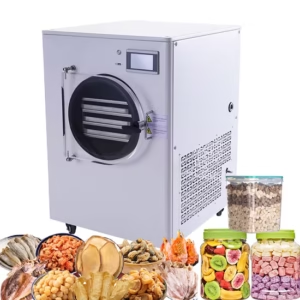
13. Industrial Orange Drying Machine and Processing Equipment
Businesses planning to manufacture dried orange may need specialised processing and drying machinery.
The correct equipment depends on the production volume, orange variety, slice thickness, desired moisture level and finished product quality.
| Equipment | Main function |
|---|---|
| Fruit washing machine | Cleans fresh oranges |
| Sorting and grading machine | Separates fruit by size and quality |
| Orange slicing machine | Cuts uniform slices |
| Peel processing equipment | Prepares peel strips and pieces |
| Tray dryer | Dries fruit in controlled batches |
| Cabinet dryer | Suitable for small and medium operations |
| Industrial hot-air dryer | Supports larger production |
| Continuous belt dryer | Enables continuous processing |
| Heat pump dryer | Provides controlled drying with energy-efficiency potential |
| Grinding machine | Converts dried peel into powder |
| Moisture testing equipment | Checks finished product specifications |
| Packaging machine | Fills and packs finished products |
| Sealing machine | Seals food-grade packages |
How to Choose a Commercial Orange Dehydrator
Before purchasing an industrial fruit dryer, compare:
- Capacity per batch and per day
- Temperature and airflow control
- Drying uniformity
- Energy consumption
- Food-contact material specifications
- Ease of cleaning
- Maintenance requirements
- Spare parts availability
- Installation and training
- Warranty and technical support
Ask equipment manufacturers for performance data using orange slices or peel, with the thickness and moisture specifications relevant to your production line.
Do not select machinery based only on advertised capacity. Drying time, product yield, energy consumption and finished quality are equally important.
14. High-CPC Commercial SEO Keywords for Dried Orange
Businesses targeting commercial customers can use keywords that indicate purchasing, wholesale sourcing, machinery investment and manufacturing intent.
The following are commercial keyword ideas, not verified CPC values. Actual cost-per-click figures vary by country, competition, advertising settings and time.
| Keyword idea | Search intent |
|---|---|
| Dried orange wholesale | Wholesale purchasing |
| Bulk dried orange slices | Bulk sourcing |
| Dried orange slices supplier | Supplier discovery |
| Dehydrated orange manufacturer | Manufacturer discovery |
| Dried orange price per kg | Price comparison |
| Dried orange exporters | Export sourcing |
| Organic dried orange supplier | Certified product sourcing |
| Dried orange private label | Branding and manufacturing |
| Dried orange peel powder supplier | Ingredient sourcing |
| Orange peel powder manufacturer | Manufacturing |
| Commercial orange dehydrator | Machinery purchase |
| Industrial orange drying machine | Industrial equipment |
| Fruit drying machine price | Machinery price comparison |
| Dried fruit packaging machine | Packaging equipment |
| Industrial food dryer | Equipment purchase |
| Dried fruit processing plant | Manufacturing investment |
How to Research High-CPC Keywords
Use Google Keyword Planner or another established keyword research platform to check:
- Average monthly searches.
- Advertiser competition.
- Top-of-page bid estimates.
- Country-specific CPC estimates.
- Commercial search intent.
- Related long-tail keyword opportunities.
For a commercial website, terms such as “dried orange slices supplier” and “industrial orange drying machine” may attract fewer searches than general informational phrases, but they can reach users with clearer purchasing intent.
Create separate landing pages for wholesale supply, private-label products, orange peel powder and industrial machinery. This gives each type of visitor a relevant destination.
15. Frequently Asked Questions About Dried Orange
What is dried orange?
Dried orange is fresh orange fruit or peel from which most of the moisture has been removed through drying. It is available as slices, wheels, strips, pieces and powder.
Is dried orange healthy?
It can provide fibre and some retained vitamins and plant compounds. Its nutritional content varies with processing. Unsweetened products can be included in a balanced diet in appropriate portions.
Does dried orange contain vitamin C?
Oranges naturally contain vitamin C, but some of it can be lost during drying and storage. The amount in a finished product depends on the processing method.
Can I use dried orange slices in tea?
Yes. They can be steeped in hot water or combined with tea leaves, cinnamon, ginger and other ingredients.
Can dried orange be used in cocktails?
Yes. Dried orange wheels are commonly used as decorative garnishes for cocktails, mocktails and speciality drinks.
Is dried orange peel useful?
Dried orange peel is used in tea blends, baking, confectionery, flavouring and suitable food ingredient applications.
What is orange peel powder used for?
It may be used in suitable food formulations, baking and selected personal-care products. The quality and grade must match the intended application.
How long does dried orange last?
Shelf life depends on moisture content, packaging, storage conditions and processing. Always follow the manufacturer’s best-before date and storage instructions.
How should dried orange slices be stored?
Keep them in an airtight, food-safe container in a cool, dry place. Protect them from humidity and direct sunlight.
Where can I buy dried orange wholesale?
You can approach dried fruit processors, citrus ingredient suppliers, exporters and food ingredient distributors. Request samples and specifications before placing a bulk order.
Is a dried orange manufacturing business profitable?
It can offer commercial opportunities, but profitability depends on raw material prices, processing yield, machinery, energy, labour, packaging, market demand and distribution costs. A feasibility study is important before investing.
Conclusion
Dried orange is a versatile citrus product with applications in snacks, tea blends, cocktails, baking, food manufacturing and decorative products. Its distinctive aroma, attractive appearance and convenient format make it valuable to both consumers and commercial buyers.
For entrepreneurs, opportunities exist in wholesale distribution, private-label branding, cocktail garnishes, tea blends, orange peel powder, food ingredient supply, processing machinery and international trade.
Whether you want to enjoy dried orange at home or develop a commercial business, understanding product quality, drying methods, sourcing and market demand can help you make informed decisions.
Explore more dried fruit guides on Wellness N Wealth to discover healthy food choices, natural ingredients and profitable business opportunities.