Dried Guava
Dried Guava: Benefits, Nutrition, Uses, Price & Profitable Business Opportunities
Guava is one of the most popular tropical fruits, loved for its refreshing taste, pleasant aroma and naturally sweet flavour. Available in white, pink and red-fleshed varieties, it is enjoyed fresh and used in juices, jams, desserts and many traditional recipes.
Another interesting way to enjoy this fruit is through dehydration. Removing moisture creates a convenient product that can be used in snack packs, breakfast bowls, bakery products and food manufacturing.
Whether you are a consumer, retailer, wholesaler or food entrepreneur, this guide explores its nutritional value, potential benefits, product varieties, uses, price factors and commercial opportunities.
What Is Dried Guava?
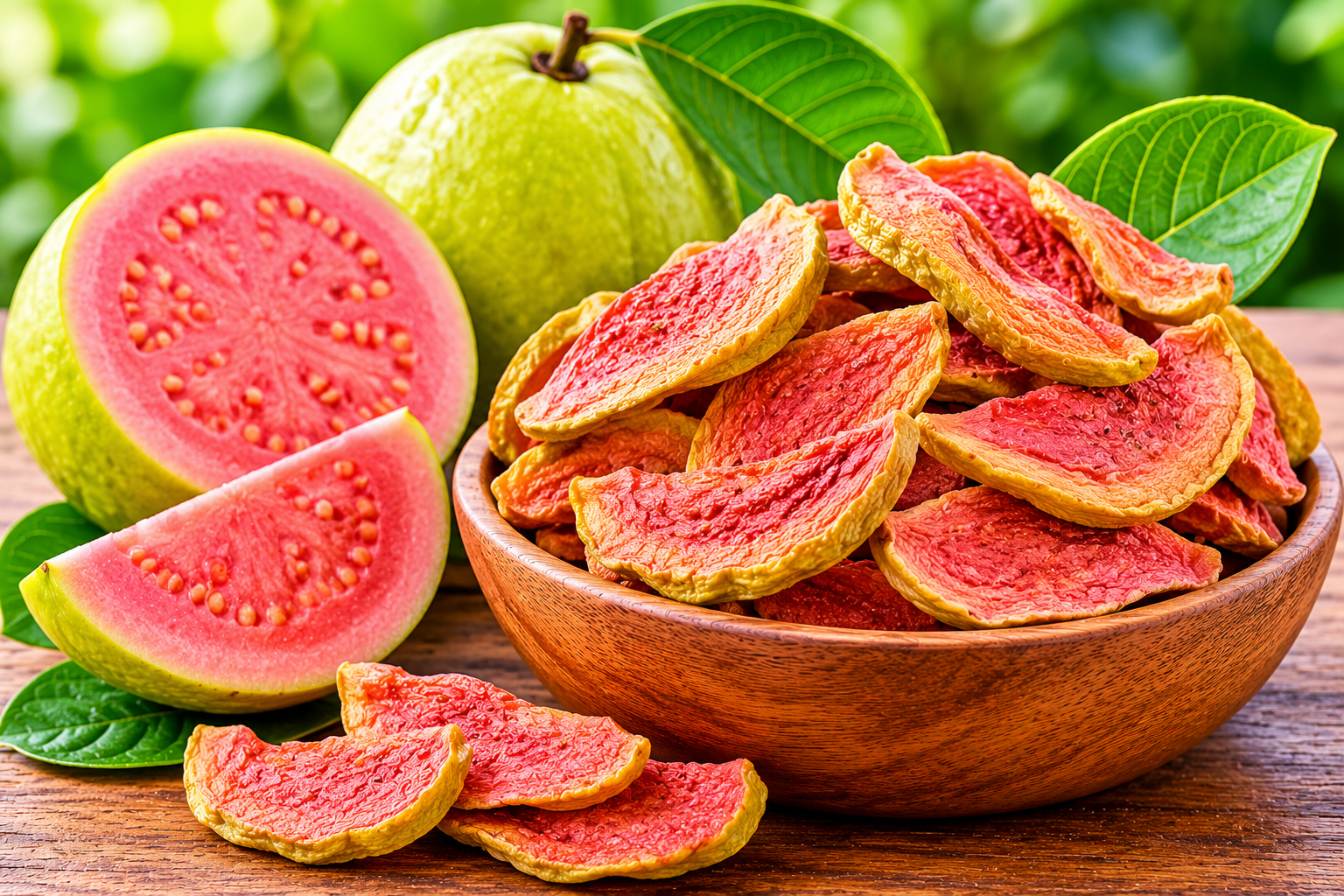
Dried guava is made by removing much of the moisture from fresh, ripe guava. The fruit is washed, sorted, sliced and processed using suitable drying methods.
Common processing techniques include:
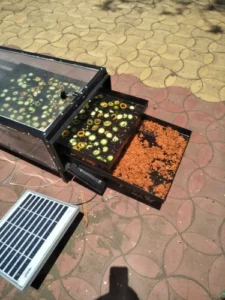
- Solar drying
- Hot-air dehydration
- Cabinet drying
- Tray drying
- Freeze drying
The finished product can have a chewy, leathery or crispy texture depending on the fruit variety, slice thickness and drying conditions.
Popular product formats include:
- Dried guava slices
- Dehydrated guava pieces
- Guava chips
- Sweetened guava snacks
- Freeze-dried guava
- Guava powder
Some commercial products contain added sugar, salt, preservatives or flavourings. Check the ingredient list before purchasing.
Nutritional Value
Fresh guava is known for its vitamin C content and dietary fibre. Drying removes water, concentrating nutrients and calories by weight.
The exact nutritional profile depends on the fruit variety, processing method, final moisture content and added ingredients.
It may provide:
- Dietary fibre: Contributes to normal digestive function.
- Vitamin C: Supports normal immune function, although some vitamin C may be lost during drying.
- Potassium: An essential mineral involved in normal muscle and nerve function.
- Antioxidant compounds: Guava contains naturally occurring plant compounds.
- Carotenoids: Certain pink and red varieties contain pigments such as lycopene.
- Natural carbohydrates: Provide energy.
For accurate serving-specific values, check the nutrition information on the product packaging. Sweetened varieties may contain considerably more added sugar.
Top 10 Potential Benefits
1. Provides Dietary Fibre
Guava naturally contains dietary fibre. Products that retain fibre can contribute to normal digestion and help support digestive regularity.
2. Contains Vitamin C
Guava is naturally known for its vitamin C content. However, the amount remaining in the finished product depends on drying temperature, processing time and storage conditions.
3. Offers Antioxidant Compounds
Guava contains naturally occurring antioxidants and plant compounds. These contribute to its nutritional profile as part of a varied diet.
4. Provides Potassium
Potassium is an essential mineral that supports normal muscle function, nerve signalling and fluid balance.
5. Supplies Convenient Energy
Its natural carbohydrates provide energy. Because water is removed during processing, a small serving can contain more calories than the same weight of fresh fruit.
6. Makes Fruit Snacking Convenient
Properly dried and packaged pieces are easy to carry to work, school or while travelling.
7. Adds Variety to Everyday Meals
Its sweet and slightly tangy flavour makes it suitable for breakfast bowls, snack mixes, desserts and bakery products.
8. Helps Preserve Seasonal Produce
Drying can extend the usable storage period of guava when processing, packaging and storage are properly managed.
9. Offers Multiple Food Applications
It can be used in fruit bars, cereal mixes, confectionery, bakery products and speciality snacks.
10. Supports Food Processing Opportunities
Guava can be transformed into slices, chips, powders and other value-added products, creating opportunities for food businesses.
These are general nutrition observations, not medical claims or treatments. Dried fruit contains concentrated natural sugars, so portion size is important.
Popular Types of Products
1. Sun-Dried Guava
Prepared using sunlight or solar-assisted drying under suitable hygienic conditions. It generally has a chewy texture and concentrated fruit flavour.
2. Dehydrated Guava Slices
Produced using controlled hot-air drying equipment. These are suitable for snack packs, food ingredients and retail distribution.
3. Crispy Guava Chips
Thin slices processed to achieve a crunchy texture. Depending on the manufacturer, they may be dried, fried or processed using other techniques.
4. Freeze-Dried Guava
Freeze drying removes moisture under low-temperature vacuum conditions. It can produce a lightweight, porous and crispy product.
5. Guava Powder
Dried fruit can be ground into powder for use in smoothie mixes, drink formulations, desserts and selected food products.
6. Sweetened Guava Snacks
Some manufacturers add sugar or other ingredients to create a sweeter snack. Compare ingredient lists and nutrition labels when choosing.
Dried vs. Fresh Guava
| Feature | Dried guava | Fresh guava |
|---|---|---|
| Water content | Much lower | High |
| Texture | Chewy or crispy | Juicy and firm |
| Flavour | More concentrated | Fresh and refreshing |
| Storage | Longer when properly processed and packed | Generally shorter |
| Convenience | Easy to carry | Requires preparation |
| Common uses | Snacks, bakery and cereal | Fresh eating, juices and salads |
Both forms have their own advantages. Fresh guava provides hydration, while the dried form offers convenience and concentrated flavour.
Best Ways to Use It
Its sweet and tangy taste makes it a versatile ingredient for home kitchens and commercial food production.
1. Breakfast Bowls
Add chopped pieces to oatmeal, yoghurt, cereal and smoothie bowls.
2. Trail Mix
Combine with almonds, cashews, raisins, pumpkin seeds and other dried fruits for a convenient snack.
3. Bakery Products
Use suitable pieces in cakes, muffins, cookies, biscuits and energy bars.
4. Smoothies
Blend guava powder or softened dried pieces with milk, yoghurt or plant-based milk.
5. Desserts
Add small pieces to puddings, fruit bowls, ice cream toppings and homemade sweets.
6. Guava Tea and Infusions
Suitable dried pieces can be used in selected fruit infusions. Follow food preparation instructions and use products intended for this purpose.
7. Chocolate-Coated Snacks
Dip suitable pieces in melted chocolate and allow them to set for a sweet treat.
8. Commercial Snack Manufacturing
Food producers can use the ingredient in fruit bars, cereal blends, confectionery and packaged snack products.
Easy Recipe: Homemade Guava Energy Bites
Ingredients:
- ½ cup chopped dried guava
- ½ cup rolled oats
- ¼ cup almonds
- 2 tablespoons peanut butter
- 1 tablespoon chia seeds
- 1–2 tablespoons honey
Method:
- Chop the fruit into small pieces.
- Grind the oats and almonds into a coarse mixture.
- Add peanut butter, chia seeds and honey.
- Mix in the chopped fruit.
- Combine until the mixture holds together.
- Roll into small balls.
- Refrigerate until firm and serve.
This is a simple homemade snack that can be adjusted with other nuts and seeds.
What Determines the Price?
Retail and wholesale prices vary according to product quality, processing method and market conditions.
Important price factors include:
- Guava variety and fruit quality
- Pink or white flesh
- Raw fruit sourcing costs
- Slice thickness and product grade
- Drying technology
- Final moisture content
- Freeze-drying or conventional dehydration
- Organic certification, where applicable
- Added sugar and other ingredients
- Packaging material and pack size
- Order quantity and transportation costs
Freeze-dried products may be more expensive because their equipment and processing requirements differ from conventional dehydration.
For bulk purchases, compare the price per kilogram, moisture specification, ingredients, packaging and delivered cost.
How to Choose Quality Products
Before purchasing, consider these points:
- Appearance: Look for a natural colour consistent with the fruit variety and processing method.
- Texture: Choose the expected texture, whether chewy, leathery or crispy.
- Ingredients: Check for added sugar, salt, preservatives and flavourings.
- Packaging: Select sealed, food-grade packaging that protects against moisture.
- Aroma: Avoid products with unusual, musty or fermented smells.
- Expiry date: Check the best-before date and storage instructions.
- Supplier reliability: For commercial purchases, request specifications and relevant food-safety documentation.
For bulk orders, requesting a sample before purchasing a large quantity is a practical way to assess quality.
Wholesale Buying and Bulk Supply
Food manufacturers, snack brands, supermarkets, hotels and retailers may need regular supplies for commercial operations.
When contacting a supplier, ask about:
- Minimum order quantity (MOQ)
- Wholesale price per kilogram
- Product grade and cut size
- Moisture specifications
- Available varieties
- Ingredient and additive details
- Packaging options
- Food-safety certifications
- Sample availability
- Production capacity
- Delivery schedules
- Export documentation, where required
Reliable sourcing and consistent quality are important for building long-term supplier relationships.
Profitable Business Opportunities
The market for convenient fruit snacks and value-added food ingredients creates several possible business models.
1. Wholesale Distribution
Purchase finished products from manufacturers and supply retailers, supermarkets, hotels, restaurants and food-processing businesses.
2. Private Label Products
Create your own branded snack range by partnering with a qualified contract manufacturer.
Possible products include:
- Premium fruit slices
- Guava chips
- Sweetened snack packs
- Unsweetened fruit snacks
- Guava powder
3. Online Snack Business
Sell packaged products through an e-commerce website and online marketplaces. Attractive product photography, clear descriptions and transparent ingredient information can help build customer confidence.
4. Food Manufacturing
Use suitable ingredients in cereal mixes, trail mixes, bakery products, confectionery and speciality snacks.
5. Export Business
Businesses with suitable quality systems and documentation may explore international markets. Check destination-country requirements for food safety, labelling, packaging and import procedures before exporting.
6. Fruit Processing Business
Entrepreneurs can source seasonal guava and convert it into shelf-stable products. A business feasibility study should include raw material availability, processing yield, labour, electricity, packaging and market demand.
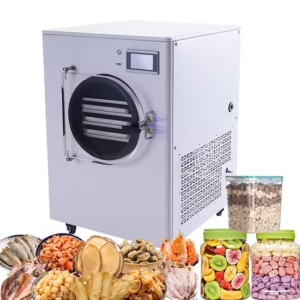
Commercial Dehydrator and Guava Processing Machinery
Businesses planning to manufacture dried fruit may need different types of equipment according to production capacity and product requirements.
Common equipment includes:
- Fruit washing machines
- Sorting and grading machines
- Fruit slicers
- Tray dehydrators
- Cabinet dryers
- Solar dryers
- Tunnel dryers
- Industrial hot-air drying systems
- Freeze dryers
- Grinding and pulverising machines
- Weighing and packaging machines
- Sealing equipment
Before purchasing machinery, compare:
- Processing capacity per batch
- Drying time and temperature control
- Energy consumption
- Food-grade construction materials
- Cleaning and maintenance requirements
- Installation costs
- Spare parts availability
- After-sales service
Small businesses can begin with pilot-scale equipment to test product quality and customer demand before investing in larger machinery.
Frequently Asked Questions
1. Is dried guava good for snacking?
It can be a convenient fruit-based snack. Check the nutrition label, especially for added sugar, and choose a suitable portion size.
2. Does it contain vitamin C?
Fresh guava is known for its vitamin C content. Some vitamin C may be lost during drying, and the remaining amount depends on processing and storage.
3. Is it available in different varieties?
Yes. Products can be made from different guava varieties, including pink- and white-fleshed fruit.
4. How should it be stored?
Keep it sealed in a cool, dry place according to the manufacturer’s instructions. Protect it from moisture and direct sunlight.
5. Can it be used in bakery products?
Yes. Suitable pieces can be used in cakes, cookies, muffins, biscuits, cereal bars and other bakery products.
6. Can businesses purchase it in bulk?
Yes. Food ingredient suppliers and manufacturers may offer wholesale quantities. Confirm minimum order quantities, product specifications and delivery terms.
7. What is guava powder used for?
It can be used in smoothie mixes, drink formulations, desserts, bakery products and selected food applications.
8. Which machine is used for commercial production?
Tray dryers, cabinet dryers, tunnel dryers and industrial hot-air systems are common options. The correct equipment depends on production volume and product specifications.
Conclusion
Dried guava is a versatile tropical fruit product with applications in everyday snacking, breakfast mixes, bakery products and commercial food manufacturing.
For consumers, it offers convenience and a distinctive sweet-tangy flavour. For entrepreneurs, opportunities may exist in wholesale distribution, private labelling, online retail and fruit processing.
Whether you are purchasing a small pack or planning a commercial operation, focus on reliable sourcing, safe processing, clear product specifications and suitable packaging.
Explore more dried-fruit guides on Wellness N Wealth for practical information about nutrition, food preservation and business opportunities.