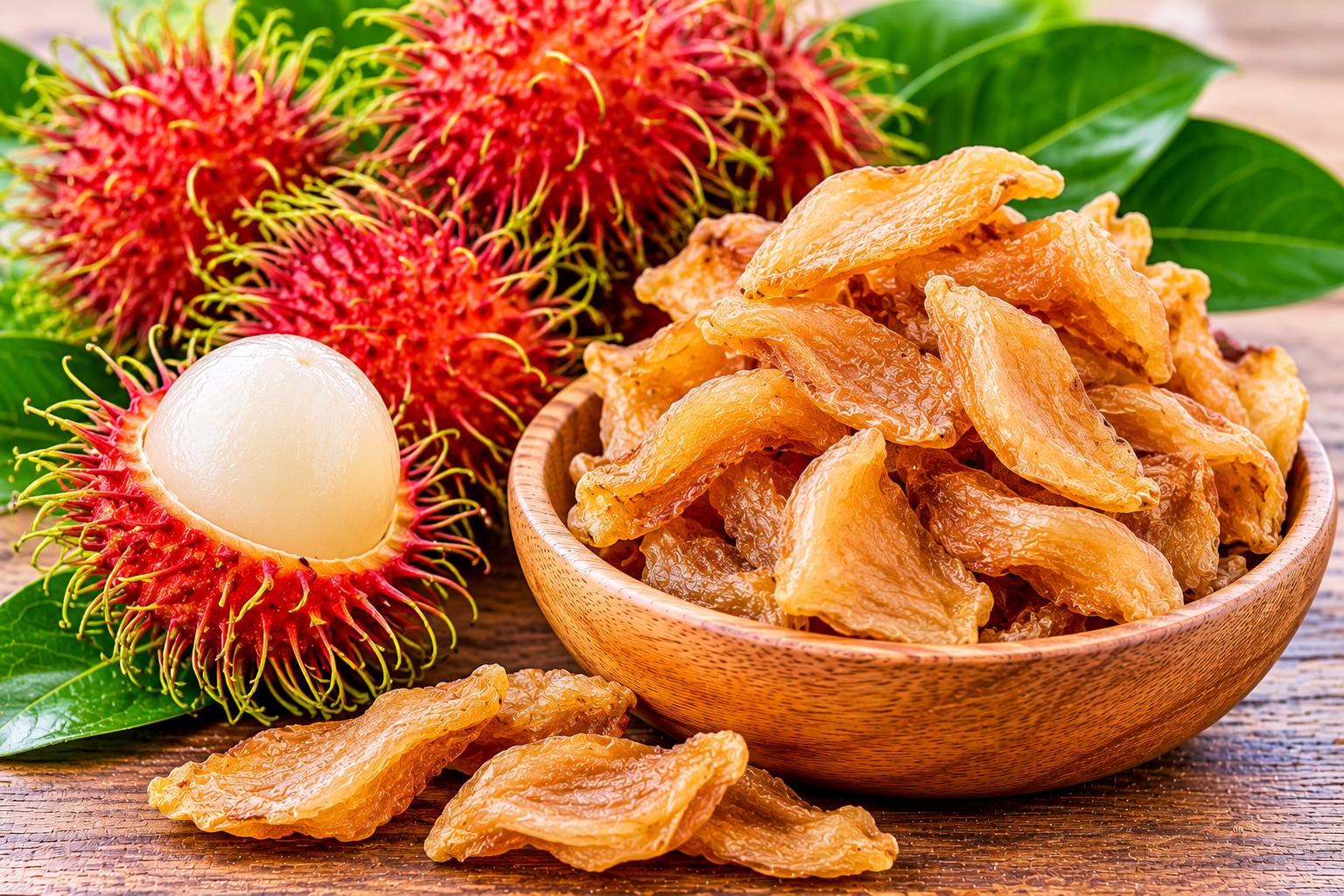
Dried Rambutan
Dried Rambutan: Benefits, Nutrition, Uses, Price & Profitable Business Opportunities
Rambutan is an attractive tropical fruit recognised by its bright red or yellow hairy-looking outer skin and sweet, juicy white flesh. Popular in Southeast Asia and increasingly familiar in international fruit markets, it is enjoyed fresh and used in fruit salads, desserts, beverages and other food preparations.
Beyond fresh consumption, rambutan offers interesting possibilities for the food-processing industry. Its edible flesh can be explored for products such as dried fruit pieces, freeze-dried snacks, fruit powders and fruit-based ingredients.
As consumers become interested in exotic fruit snacks and convenient food products, dried rambutan presents an opportunity for food entrepreneurs, retailers, wholesalers and manufacturers.
In this guide, we explore its nutritional profile, potential benefits, processing methods, culinary uses, price factors, buying tips, wholesale opportunities and commercial machinery.
1. What Is Dried Rambutan?
Dried rambutan is made by removing moisture from the edible flesh of fresh rambutan fruit. The fruit is generally peeled and deseeded before processing.
Fresh rambutan has a juicy, translucent white flesh with a mild sweet flavour. After drying, its texture and appearance change depending on the processing method.
Common product formats include:
- Dehydrated rambutan: Fruit flesh dried using controlled hot air.
- Freeze-dried rambutan: Lightweight fruit pieces processed using freeze-drying technology.
- Dried rambutan pieces: Small portions used in snack mixes and food products.
- Rambutan powder: A powdered ingredient made from suitably dried fruit material.
- Rambutan fruit ingredients: Processed fruit preparations used in selected food applications.
The availability of these products varies by manufacturer and market. Freeze-dried products may be more suitable for retaining a light, crisp texture, while conventional dehydration can produce a chewier result.
2. How Is Dried Rambutan Made?
Commercial processing requires careful fruit preparation because rambutan has a delicate edible flesh and a large seed.
Step 1: Fruit Selection
Select mature, good-quality rambutan. Remove damaged, overripe or spoiled fruit.
Step 2: Washing and Cleaning
Wash the fruit using suitable food-processing procedures to remove dirt and surface contaminants.
Step 3: Peeling
Remove the hairy outer skin to access the edible flesh.
Step 4: Seed Removal
Separate the flesh from the seed. Care should be taken to minimise damage to the fruit.
Step 5: Preparation
Arrange the flesh according to the intended product format. Some products may require cutting or other preparation.
Step 6: Drying
Remove moisture using suitable equipment, such as a controlled-air dryer or freeze dryer. Processing conditions need to be validated for the desired texture, colour, flavour and safety.
Step 7: Cooling and Quality Inspection
Cool the dried fruit under hygienic conditions. Check its appearance, texture, moisture and water activity.
Step 8: Packaging
Pack the product in suitable food-grade packaging that protects it from moisture, contamination and physical damage.
Commercial manufacturers should establish validated food-safety procedures, product specifications and shelf-life testing before selling the finished product.
3. Nutritional Profile of Rambutan
Fresh rambutan contains water, carbohydrates, natural sugars, dietary fibre and small amounts of vitamins and minerals.
The nutritional composition of a dried product depends on the fruit variety, drying method, processing conditions and whether other ingredients are added.
| Nutritional component | General information |
|---|---|
| Carbohydrates | Provide energy |
| Natural sugars | Contribute to the fruit’s sweet taste |
| Dietary fibre | Present in varying amounts |
| Vitamin C | Naturally present in fresh fruit; processing may reduce it |
| Minerals | Small quantities of minerals may be present |
| Plant compounds | Includes naturally occurring fruit compounds |
| Calories | More concentrated per gram than fresh fruit in many dried formats |
Important: Fresh, dehydrated and freeze-dried rambutan products can have different nutritional profiles. Drying removes water and concentrates natural sugars and calories by weight. Check the product label for accurate serving-size and ingredient information.
4. Potential Benefits of Dried Rambutan
When enjoyed in sensible portions as part of a balanced diet, rambutan can contribute variety to everyday meals.
1. Provides Energy
The fruit contains carbohydrates, which provide energy. Dried versions can be convenient snacks during travel, work or outdoor activities.
2. Contains Dietary Fibre
Rambutan contains dietary fibre. The amount retained in a dried product depends on the processing method and serving size.
3. Provides Naturally Occurring Vitamin C
Fresh rambutan contains vitamin C. Some of this vitamin may be reduced during drying and storage, particularly with heat exposure.
4. Contains Plant Compounds
Like many fruits, rambutan contains naturally occurring plant compounds. Their levels vary with variety, maturity and processing.
5. Convenient Snack Option
Properly processed and packaged products can be easy to carry and use in snack mixes, breakfast bowls and desserts.
6. Adds Variety to the Diet
Its sweet tropical flavour can add variety to fruit-based meals and recipes.
Serving-size reminder: Dried fruit is more concentrated than fresh fruit by weight. Choose moderate portions and check whether the product contains added sugar or other ingredients.
5. Different Types of Dried Rambutan Products
Different product formats can serve different customer needs.
| Product type | Characteristics | Common applications |
|---|---|---|
| Dehydrated rambutan | Chewy or firm fruit flesh | Snack products |
| Freeze-dried rambutan | Lightweight and often crisp | Premium snacks and toppings |
| Dried rambutan pieces | Small fruit portions | Trail mixes and desserts |
| Rambutan powder | Finely processed fruit ingredient | Food formulations |
| Rambutan fruit leather | Flexible dried fruit sheet, if commercially produced | Fruit snacks |
| Rambutan pulp ingredient | Prepared fruit material | Food manufacturing |
Product availability and specifications should be confirmed with the manufacturer before making commercial plans.
6. Dried Rambutan vs Fresh Rambutan
Both products have the characteristic sweet flavour of rambutan, but they differ in texture, storage and applications.
| Feature | Fresh rambutan | Dried rambutan |
|---|---|---|
| Moisture | High | Reduced |
| Texture | Juicy and soft | Chewy or crisp |
| Flavour | Mild and sweet | More concentrated |
| Storage | Requires careful handling | Usually easier to store |
| Portability | Less convenient | Convenient |
| Applications | Fresh eating and fruit salads | Snacks and food ingredients |
| Preparation | Peel and remove seed | Often ready to eat if labelled accordingly |
Fresh rambutan is ideal for immediate consumption, while dried products offer additional possibilities for storage, retail and food manufacturing.
7. Popular Uses of Dried Rambutan
Its sweet tropical flavour makes it suitable for a variety of recipes and commercial applications.
Healthy Snack Mixes
Combine dried fruit pieces with almonds, cashews, pumpkin seeds, raisins and other dried fruits.
Breakfast Bowls
Add suitable dried pieces to oatmeal, granola, yoghurt and cereal for a tropical flavour.
Bakery Products
Food manufacturers can experiment with rambutan ingredients in:
- Cookies
- Muffins
- Cakes
- Sweet breads
- Pastries
- Dessert fillings
Ice Cream and Frozen Desserts
Suitable dried fruit pieces or fruit preparations can be used as toppings or flavour ingredients in frozen desserts.
Fruit Salads
Rehydrated dried fruit pieces can be combined with fresh fruits, depending on their texture and intended use.
Chocolates and Confectionery
Small dried fruit inclusions can be explored in chocolates, confectionery and premium snack products.
Premium Fruit Gift Packs
Combine dried rambutan with dried mango, pineapple, kiwi, coconut and other tropical fruits to create attractive gift boxes.
8. Easy Tropical Rambutan Snack Mix Recipe
Ingredients:
- ¼ cup dried rambutan pieces
- ¼ cup almonds
- ¼ cup cashews
- 2 tablespoons pumpkin seeds
- 2 tablespoons raisins
- 2 tablespoons dried coconut flakes
Preparation:
- Check that all ingredients are clean and ready to eat.
- Add them to a mixing bowl.
- Mix gently until evenly combined.
- Transfer the mixture into an airtight food-safe container.
- Serve in small portions.
This simple recipe can also inspire commercial tropical snack blends.
9. Dried Rambutan Price: What Determines the Cost?
The selling price varies depending on product format, fruit availability, processing technology, quality and order quantity.
Important price factors include:
- Raw fruit availability: Seasonal supply and harvest conditions affect the cost of fresh rambutan.
- Edible yield: The outer skin and seed are removed, so the quantity of usable flesh is lower than the whole-fruit weight.
- Processing method: Freeze-drying and conventional dehydration have different equipment, energy and production costs.
- Product quality: Colour, texture, flavour and consistency can influence market positioning.
- Added ingredients: Sweeteners and other ingredients may change product specifications and pricing.
- Packaging: Retail pouches and premium packaging can increase costs.
- Order quantity: Bulk and wholesale orders may have different price structures.
- Transport and storage: Freight, handling and storage requirements affect the final landed cost.
For accurate comparisons, request quotations based on the same product format, fruit content, quality specification, packaging and delivery terms.
10. How to Choose High-Quality Dried Rambutan
Whether buying for personal use or commercial resale, quality checks are important.
Check the Ingredients
Read the ingredient list and confirm whether the product contains added sugar, preservatives, colours or other ingredients.
Examine the Appearance
Look for a reasonably consistent appearance that matches the product description. Unusual discolouration or visible contamination should be avoided.
Check the Aroma
The product should have a pleasant fruit aroma without unusual or unpleasant smells.
Evaluate the Texture
The texture should match the stated specification. Conventional dried products may be chewy, while freeze-dried pieces are generally crisp and lightweight.
Review the Packaging
Choose sealed, food-grade packaging that protects against moisture and contamination.
Ask for Supplier Documentation
Commercial buyers should request:
- Product specification sheet
- Ingredient declaration
- Batch and traceability details
- Relevant food-safety documentation
- Microbiological test results
- Moisture and water-activity information
- Shelf-life details
Request samples before placing a large order.
11. Dried Rambutan Wholesale and Bulk Buying
The product may appeal to several commercial customer groups.
Potential buyers include:
- Dry fruit wholesalers
- Supermarkets and grocery retailers
- Online food stores
- Hotels and restaurants
- Bakeries and dessert manufacturers
- Snack manufacturers
- Food ingredient distributors
- Premium gift hamper businesses
- Health-food retailers
Before placing a wholesale order, compare minimum order quantities, product quality, packaging, supplier reliability and delivery costs.
For international purchases, confirm food safety, labelling, import documentation and destination-country requirements.
12. Business Opportunities in the Dried Rambutan Market
Entrepreneurs can explore several business models depending on their investment, sourcing network and target customers.
1. Wholesale Distribution
Purchase suitable products from established processors and supply retailers, distributors and food businesses.
2. Private Label Products
Work with a qualified manufacturer to develop a branded range of dried tropical fruit snacks. Packaging, labelling and product consistency are important for building customer trust.
3. Online Retail Business
Sell consumer-sized packs through an e-commerce website or online marketplaces. Attractive product photography, accurate descriptions and dependable delivery can help build customer confidence.
4. Premium Snack Manufacturing
Combine rambutan with nuts, seeds and other dried fruits to create premium tropical snack blends.
5. Food Ingredient Supply
Supply suitable fruit pieces or powder to bakeries, confectionery businesses, dessert manufacturers and food producers.
6. Export Business
Explore international demand for tropical fruit products. Exporters must verify destination-country regulations, food safety requirements, documentation and packaging standards.
7. Fruit Processing Business
Develop a small or medium-scale fruit-processing unit after evaluating raw-fruit supply, finished-product yield, machinery costs and customer demand.
Business planning tip: Rambutan is a seasonal tropical fruit in many growing regions. A reliable supply network and suitable production planning are important before investing in processing equipment.
13. Rambutan Processing Machine and Commercial Production
Businesses interested in manufacturing should investigate suitable equipment for fruit preparation, drying and packaging.
| Equipment | Purpose |
|---|---|
| Fruit washing machine | Cleans incoming fruit |
| Sorting and grading machine | Separates fruit by quality and size |
| Peeling equipment | Removes the outer skin |
| Seed removal equipment | Separates edible flesh from seeds |
| Cutting equipment | Prepares fruit pieces |
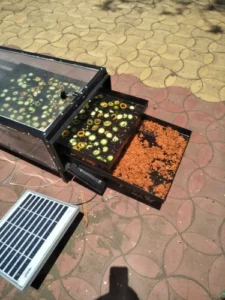
| Tray dryer | Removes moisture using controlled heated air |
| Food dehydrator | Supports controlled drying |
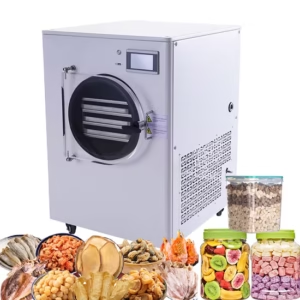
| Freeze dryer | Produces lightweight, crisp fruit products |
| Pulverizer | Converts suitable dried material into powder |
| Sieving machine | Controls powder particle size |
| Weighing machine | Measures product quantities |
| Packaging machine | Packs the finished product |
| Sealing machine | Seals packaging |
What Should Businesses Consider Before Buying Machinery?
Before purchasing commercial equipment, evaluate:
- Daily processing capacity
- Fresh-fruit supply and seasonality
- Edible flesh recovery rate
- Expected finished-product yield
- Energy consumption
- Drying temperature and airflow control
- Processing time
- Cleaning and maintenance requirements
- Food-contact material specifications
- Availability of spare parts
- Installation and operator training
- Product testing and quality-control facilities
Conduct pilot production trials before investing in industrial machinery. The right equipment depends on whether the final product will be conventional dried fruit, freeze-dried pieces or powder.
14. Storage Tips
Proper storage helps maintain product quality.
- Keep the product in sealed, food-grade packaging.
- Store it in a cool, dry location according to the manufacturer’s instructions.
- Protect it from direct sunlight and moisture.
- Avoid exposure to strong odours.
- Reseal opened packages carefully.
- Follow the labelled storage conditions and shelf-life guidance.
Freeze-dried products can be particularly sensitive to moisture, so moisture-barrier packaging is important.
15. Frequently Asked Questions
What is dried rambutan?
It is made by removing moisture from the edible flesh of fresh rambutan. The fruit is generally peeled and deseeded before processing.
Is dried rambutan healthy?
It can be enjoyed as part of a balanced diet. Nutritional values vary by processing method, and dried products may contain more concentrated sugars and calories by weight than fresh fruit.
Does dried rambutan contain added sugar?
Not necessarily. Some products contain only fruit, while others may include added sugar or other ingredients. Check the ingredient list.
Can rambutan be freeze-dried?
Yes. Freeze-drying can be used to produce lightweight, crisp fruit pieces. The process requires suitable equipment and validated operating conditions.
Can dried rambutan be used in desserts?
Yes. Suitable pieces can be used in cakes, yoghurt, ice cream, confectionery and other desserts.
Can dried rambutan be sold online?
Yes. Businesses can explore online sales through their own websites and marketplaces, subject to applicable food-business and labelling requirements.
Is dried rambutan suitable for wholesale?
It may be suitable for wholesale distribution to retailers, food manufacturers, bakeries and snack businesses. Buyers should confirm product availability and supplier specifications.
Which machine is used to manufacture dried rambutan?
Commercial production may use washing, peeling, seed removal, dehydration or freeze-drying, weighing and packaging equipment.
Is rambutan processing a good business opportunity?
It may be worth exploring, but profitability depends on fruit availability, edible yield, processing costs, customer demand, packaging and selling price. Conduct market research and pilot trials before investing.
16. Conclusion
Dried rambutan is an interesting tropical fruit product with potential applications in snacks, desserts, bakery products, confectionery and premium food ingredients.
Its distinctive flavour and attractive fruit origin make it a possible addition to the growing range of dried tropical fruit products. For consumers, it provides another way to enjoy rambutan beyond its fresh-fruit season. For entrepreneurs, opportunities may exist in wholesale distribution, private-label products, online retail, food processing and export.
Success depends on sourcing good-quality fruit, selecting appropriate processing technology, maintaining food safety and understanding customer demand.
Whether you are exploring new fruit snacks or planning a tropical food business, rambutan is a product worth considering.