Sapodilla (Chikoo)
Sapodilla (Chikoo): Benefits, Nutrition, Uses, Price & Profitable Business Opportunities
Sapodilla, commonly known as chikoo in India, is a naturally sweet tropical fruit with soft brown flesh and a distinctive malty flavour. It is popular in many parts of South Asia and is enjoyed fresh, in milkshakes, desserts, ice creams and traditional recipes.
Beyond fresh consumption, this fruit offers interesting opportunities in the food-processing industry. It can be transformed into dried slices, fruit powder, pulp, fruit leather and other value-added products. These formats can serve snack manufacturers, bakeries, beverage companies, retailers and food distributors.
As consumers explore convenient fruit-based foods and businesses look for new ingredients, chikoo deserves attention as a versatile tropical fruit.
In this guide, we explore its nutritional profile, potential benefits, processing methods, culinary uses, buying tips, wholesale opportunities and commercial machinery.
1. What Is Sapodilla (Chikoo)?
Sapodilla is a tropical fruit that grows on the evergreen sapodilla tree, scientifically known as Manilkara zapota. It is believed to have originated in Central America and is now cultivated in several tropical regions, including India.
The fruit generally has:
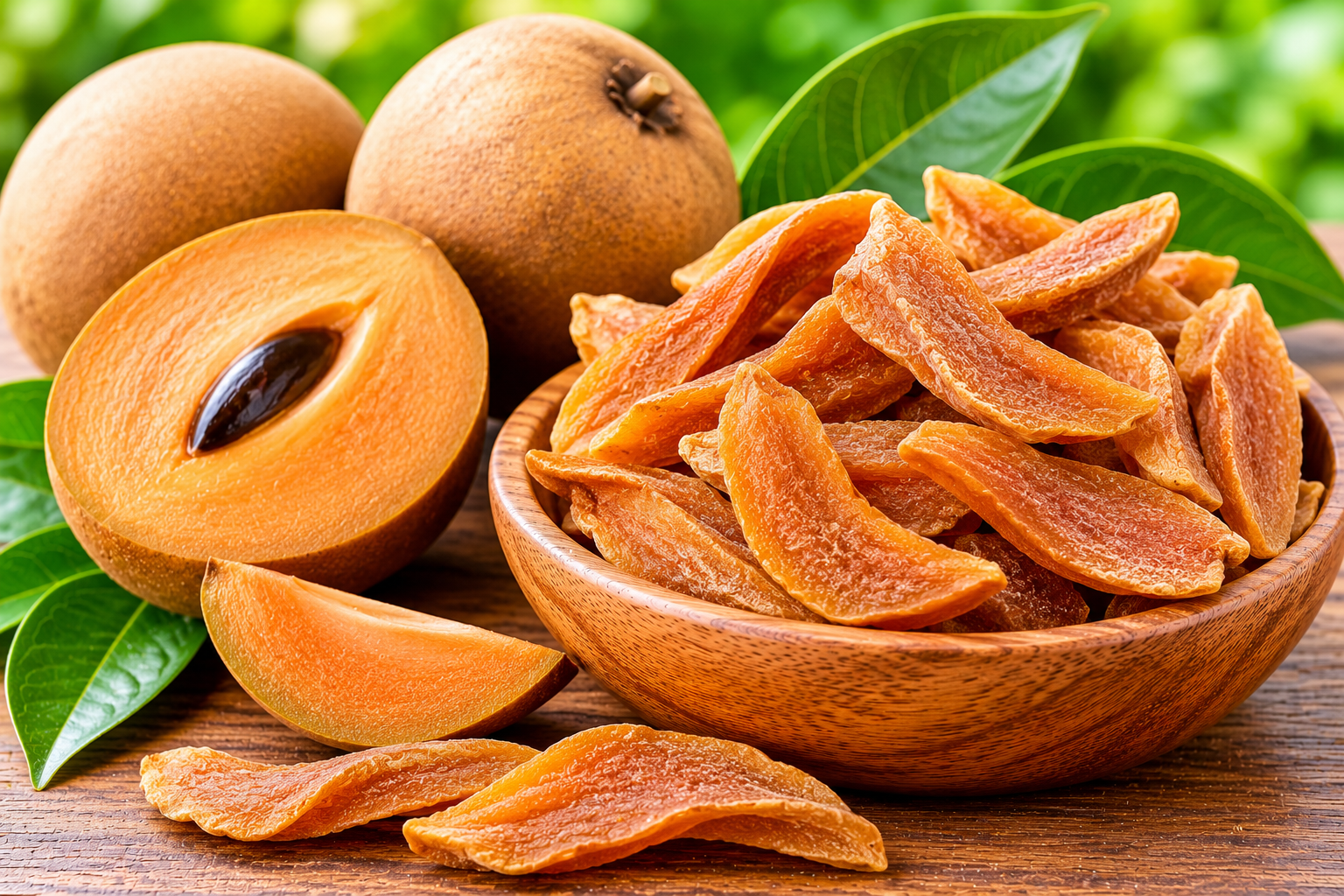
- Brown, rough skin when mature
- Soft, sweet brown or light-brown flesh
- A characteristic caramel-like or malty flavour
- Several dark, glossy seeds
- A rounded or oval shape
In India, chikoo is commonly eaten fresh after ripening. It is also used to prepare milkshakes, smoothies, ice cream, sweets and fruit-based desserts.
Commercial processors can use ripe fruit to produce pulp, dried products and powdered ingredients.
2. Nutritional Profile of Chikoo
Sapodilla contains carbohydrates, natural sugars, dietary fibre and various vitamins and minerals. Its nutritional composition depends on fruit variety, maturity and serving size.
| Nutritional component | General information |
|---|---|
| Carbohydrates | Main source of energy |
| Natural sugars | Responsible for its sweet taste |
| Dietary fibre | Contributes to daily fibre intake |
| Vitamin C | Naturally present |
| Potassium | A mineral found in the fruit |
| Plant compounds | Includes naturally occurring polyphenols |
| Water | Fresh fruit contains substantial moisture |
The fruit’s natural sweetness makes it useful in recipes where a rich flavour is desired.
Important: Dried chikoo products can have more concentrated natural sugars and calories per gram than fresh fruit because much of the water is removed. Added sugar and other ingredients can also change the nutritional profile. Check the product label for accurate information.
3. Potential Benefits of Sapodilla (Chikoo)
When eaten in sensible portions as part of a balanced diet, this fruit can provide several nutritional and practical advantages.
1. Provides Natural Energy
Its carbohydrate content makes it an energy-providing fruit. It can be included in breakfast meals or enjoyed as a snack.
2. Contains Dietary Fibre
Chikoo contains dietary fibre, which is an important part of a balanced diet and supports normal digestive function.
3. Provides Vitamin C
The fruit naturally contains vitamin C, although the amount varies with maturity and storage.
4. Contains Potassium
Potassium is an essential mineral involved in normal muscle and nerve function. Sapodilla can contribute a small amount to overall dietary intake.
5. Contains Natural Plant Compounds
Sapodilla contains naturally occurring plant compounds, including polyphenols. Their levels vary according to variety and processing.
6. Versatile for Everyday Meals
Its sweet taste makes it easy to add to smoothies, yoghurt, breakfast bowls and desserts.
7. Useful for Food Processing
The soft pulp and distinctive flavour make it suitable for value-added food products such as fruit pulp, powder and dried snacks.
A serving reminder: Chikoo is naturally sweet. People monitoring their sugar or calorie intake should consider portion size and follow their individual dietary guidance.
4. Different Types of Chikoo Products
Fresh sapodilla can be processed into several products for retail and commercial applications.
| Product type | Description | Common applications |
|---|---|---|
| Fresh chikoo | Fully ripened whole fruit | Fresh consumption |
| Dried chikoo slices | Thin pieces with reduced moisture | Fruit snacks |
| Dehydrated chikoo | Dried fruit pieces | Snack mixes |
| Chikoo powder | Powdered fruit ingredient | Smoothies and food products |
| Sapodilla pulp | Prepared fruit pulp | Ice cream and beverages |
| Chikoo fruit leather | Flexible dried fruit sheet | Snack products |
| Sapodilla puree | Smooth fruit preparation | Desserts and food manufacturing |
The availability of these formats depends on processing technology and market demand.
5. Fresh Chikoo vs Dried Chikoo
Both fresh and dried products offer the characteristic flavour of sapodilla, but they have different properties.
| Feature | Fresh chikoo | Dried chikoo |
|---|---|---|
| Moisture | High | Reduced |
| Texture | Soft and juicy | Chewy or firm |
| Sweetness | Naturally sweet | More concentrated flavour |
| Storage | Requires careful handling | Usually easier to store |
| Portability | Less convenient | Convenient |
| Applications | Fresh eating and milkshakes | Snacks and food ingredients |
| Preparation | Wash, peel and remove seeds | Usually ready to eat if labelled accordingly |
Fresh fruit is ideal for immediate consumption, while properly processed dried products can provide a convenient alternative.
6. How Is Dried Chikoo Made?
Commercial dehydration turns ripe fruit into a product with reduced moisture content.
Step 1: Fruit Selection
Choose mature, properly ripened fruit. Remove damaged, spoiled or unsuitable chikoo.
Step 2: Washing
Wash the fruit using suitable food-processing procedures to remove dirt and surface contaminants.
Step 3: Peeling and Deseeding
Remove the skin and seeds. Only the edible flesh should be used for products that require seed-free slices.
Step 4: Cutting
Cut the flesh into reasonably uniform slices. Consistent thickness helps achieve more even drying.
Step 5: Pretreatment
Depending on the product specification, processors may use suitable food-grade pretreatment to help control colour and quality.
Step 6: Dehydration
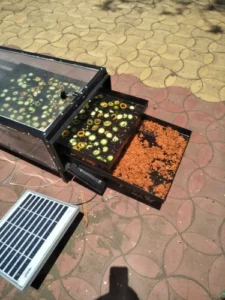
Dry the slices using controlled equipment such as a tray dryer or food dehydrator. Drying conditions must be validated for the product.
Step 7: Cooling and Inspection
Allow the product to cool in a hygienic environment. Inspect its texture, colour, moisture and overall quality.
Step 8: Packaging
Pack the finished product in suitable moisture-resistant food-grade packaging.
Commercial producers should validate the drying process, water activity, microbiological safety and shelf life before selling the product.
7. Popular Uses of Chikoo
The fruit’s sweet flavour makes it useful in many recipes and food products.
Chikoo Milkshake
Blend ripe chikoo with chilled milk and ice for a creamy drink. Add sweetener only if needed.
Smoothies
Combine it with banana, yoghurt or other fruits to make a filling smoothie.
Ice Cream
Sapodilla pulp can be used as a flavour ingredient in ice cream and frozen desserts.
Cakes and Bakery Products
Fruit pulp or suitable dried pieces can be incorporated into cakes, muffins, sweet breads and dessert fillings.
Puddings and Desserts
Use ripe fruit pulp in custards, puddings, fruit creams and other sweet dishes.
Breakfast Bowls
Add fresh fruit pieces to oatmeal, yoghurt or cereal.
Dried Fruit Snack Mixes
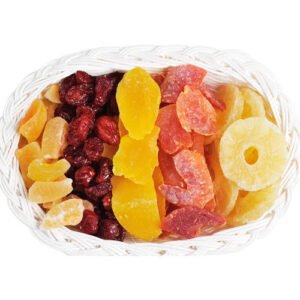
Combine dried chikoo with dried mango, pineapple, coconut, nuts and seeds to create tropical snack mixes.
Chikoo Powder
Suitable powdered products can be explored for beverage mixes, dessert preparations and food formulations. Check whether the powder contains only fruit or includes carriers and other ingredients.
8. Easy Chikoo Milkshake Recipe
Ingredients:
- 2 ripe chikoo fruits
- 1 cup chilled milk
- 2–3 ice cubes
- A pinch of cardamom powder (optional)
- Sweetener, if required
Preparation:
- Wash and peel the fruit.
- Remove all seeds.
- Chop the edible flesh into small pieces.
- Add the fruit and chilled milk to a blender.
- Add ice and cardamom powder.
- Blend until smooth.
- Taste and add sweetener only if needed.
- Serve chilled.
This simple recipe highlights the fruit’s naturally sweet flavour.
9. Sapodilla Price: What Determines the Cost?
Chikoo prices vary by season, variety, location, grade and supply conditions. Processed products also have additional production, packaging and storage costs.
Important price factors include:
- Fruit variety: Different varieties may have different taste, size and market preferences.
- Seasonal availability: Harvest conditions and supply influence fresh-fruit prices.
- Ripeness and quality: Mature, suitable fruit is important for processing.
- Processing method: Conventional dehydration, freeze-drying and powder production involve different costs.
- Finished-product yield: The quantity of fresh fruit needed to produce a given amount of dried product affects production economics.
- Packaging: Retail pouches and premium packaging can increase costs.
- Order quantity: Wholesale and bulk orders may have different price structures.
- Transportation: Freight, handling and storage influence the final selling price.
For accurate comparisons, request quotations based on the same grade, processing method, ingredient specification, packaging size and delivery terms.
10. How to Choose High-Quality Chikoo
Whether buying fresh fruit or processed products, quality matters.
For Fresh Fruit
- Select mature fruit without major damage.
- Avoid fruit showing signs of mould or decay.
- Check that the fruit has ripened properly.
- Avoid fruit with an unusual fermented smell.
- Handle ripe fruit carefully because it can become soft.
For Dried Products
- Check the ingredient list.
- Confirm whether added sugar or preservatives are used.
- Look for consistent colour and texture.
- Avoid packs showing signs of moisture damage.
- Check the manufacturing and best-before dates.
- Choose sealed food-grade packaging.
For Commercial Buyers
Request a product specification sheet, batch information, relevant food-safety documentation, moisture or water-activity details and shelf-life information.
A sample order is a useful way to check quality before committing to bulk purchasing.
11. Chikoo Wholesale and Bulk Buying Opportunities
Sapodilla and its processed forms can serve several commercial customer groups.
Potential buyers include:
- Fruit wholesalers
- Supermarkets and grocery retailers
- Fruit pulp distributors
- Ice cream manufacturers
- Juice and beverage companies
- Bakeries and dessert manufacturers
- Food ingredient suppliers
- Online food stores
- Snack manufacturers
- Hotels and restaurants
For wholesale purchases, compare supplier reliability, minimum order quantity, product grade, packaging, delivery charges and payment terms.
Businesses sourcing processed products should also confirm ingredient specifications and food-safety compliance.
12. Profitable Business Opportunities in the Chikoo Market
Sapodilla offers several possible business models for entrepreneurs interested in fruit processing and distribution.
1. Fresh Fruit Wholesale Business
Purchase fruit from growers or established suppliers and distribute it to retailers, markets, hotels and food businesses.
2. Dried Chikoo Manufacturing
Process suitable ripe fruit into dried slices or other snack products. The business requires reliable raw-material sourcing, appropriate drying technology and validated food-safety controls.
3. Chikoo Powder Production
Develop powdered fruit ingredients for beverage companies, bakeries and food manufacturers. Product formulation and powder stability are important considerations.
4. Private Label Products
Work with a qualified contract manufacturer to launch a branded range of dried fruit snacks, fruit powders or pulp products.
5. Online Retail Business
Sell consumer-sized packs through an e-commerce website or online marketplaces. Good product photography, clear ingredient information and dependable delivery can support customer confidence.
6. Fruit Pulp Supply
Supply prepared sapodilla pulp to ice cream makers, beverage companies, dessert businesses and food manufacturers.
7. Export Business
Explore international markets for processed tropical fruit products. Exporters must confirm destination-country food regulations, documentation, packaging and import requirements.
8. Premium Gift Packs
Create mixed fruit gift boxes containing dried chikoo, mango, pineapple, coconut and other tropical fruit products.
A successful business needs market research, cost calculations, consistent product quality and appropriate food-business compliance.
13. Chikoo Processing Machine and Commercial Manufacturing Equipment
Entrepreneurs planning a processing unit should understand the equipment required for their chosen product.
| Equipment | Purpose |
|---|---|
| Fruit washing machine | Cleans incoming fruit |
| Sorting and grading machine | Separates fruit by size and quality |
| Peeling equipment | Removes fruit skin |
| Cutting machine | Produces uniform slices |
| Seed removal tools | Remove seeds from fruit flesh |
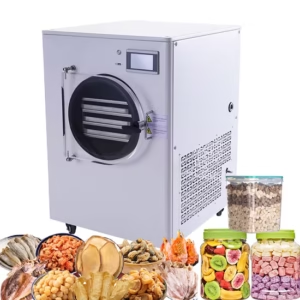
| Tray dryer | Removes moisture from prepared slices |
| Food dehydrator | Supports controlled small- or medium-scale drying |
| Pulverizer | Converts dried material into powder |
| Sieving machine | Controls powder particle size |
| Pulping machine | Prepares fruit pulp |
| Weighing machine | Measures finished quantities |
| Packaging machine | Packs the final product |
| Sealing machine | Seals food packaging |
What to Consider Before Buying Machinery
Before purchasing industrial equipment, evaluate:
- Daily processing capacity
- Raw-fruit availability
- Expected finished-product yield
- Energy consumption
- Drying temperature and airflow control
- Ease of cleaning and maintenance
- Food-contact material specifications
- Installation and operator training
- Spare-parts availability
- Product testing and quality-control facilities
Conduct pilot trials before making a large investment. The correct equipment depends on whether the business will produce dried slices, pulp, powder or fruit leather.
14. Storage Tips for Fresh and Dried Chikoo
Fresh Fruit Storage
- Keep unripe fruit at suitable room conditions until it ripens.
- Handle ripe fruit gently.
- Refrigerate ripe fruit when appropriate to slow further ripening.
- Avoid keeping damaged fruit with good-quality fruit.
Dried Product Storage
- Use sealed, food-grade packaging.
- Store in a cool and dry location.
- Protect from direct sunlight and moisture.
- Follow the manufacturer’s storage instructions.
- Reseal opened packs carefully.
- Use the product within its stated shelf life.
Proper processing and packaging are essential for maintaining quality.
15. Frequently Asked Questions
What is sapodilla called in India?
Sapodilla is commonly known as chikoo or chiku in India. It is a sweet tropical fruit with soft brown flesh.
What are the benefits of eating chikoo?
It provides carbohydrates, dietary fibre and naturally occurring vitamins, minerals and plant compounds. It can be enjoyed as part of a varied and balanced diet.
Is chikoo naturally sweet?
Yes. Ripe sapodilla contains natural sugars, giving it a sweet flavour.
Can chikoo be dried?
Yes. The edible flesh can be peeled, deseeded, sliced and dehydrated using suitable food-processing equipment.
Is dried chikoo different from fresh chikoo?
Yes. Dried products contain less water and generally have a more concentrated flavour and higher calorie and sugar content per gram.
Can chikoo be used to make powder?
Yes. Suitable dried sapodilla material can be processed into powder, depending on the product formulation and manufacturing method.
Is chikoo suitable for a food-processing business?
It may be suitable for dried fruit production, pulp manufacturing, powder production, snack mixes and other value-added products. Entrepreneurs should assess local supply, demand, processing costs and food regulations.
Which machine is used to dry chikoo?
A controlled tray dryer or suitable food dehydrator can be used for sliced fruit. Powder and pulp production may require additional processing equipment.
Can dried chikoo be sold online?
Yes. Businesses can explore online retail through their own websites and marketplaces, subject to applicable food-business and labelling requirements.
16. Conclusion
Sapodilla, commonly known as chikoo, is more than a sweet tropical fruit. Its distinctive flavour and versatile pulp make it suitable for fresh consumption, beverages, desserts and several value-added food products.
Dried slices, fruit powder, pulp and fruit leather can create opportunities for food processors, wholesalers, retailers and entrepreneurs.
For consumers, it offers a naturally sweet fruit option that can be enjoyed in different recipes. For businesses, it presents opportunities in wholesale distribution, food processing, private-label products, online retail and export.
The key to success is selecting good-quality fruit, choosing appropriate processing equipment, maintaining food safety and understanding customer demand.
Whether you are a fruit lover or an entrepreneur exploring the tropical food market, chikoo is a product worth discovering.