Dried Passion Fruit
Dried Passion Fruit: Benefits, Nutrition, Uses, Price & Profitable Business Opportunities
Passion fruit is a popular tropical fruit known for its distinctive aroma, tangy-sweet flavour and colourful appearance. It is widely used in juices, desserts, smoothies, sauces and confectionery. With growing interest in convenient fruit ingredients, dried passion fruit is an interesting product for consumers, food manufacturers and entrepreneurs.
Drying helps reduce the fruit’s moisture content, making it possible to develop different products such as dried fruit pieces, fruit leather, flakes and powder. These products can be used in snack foods, bakery products, beverage mixes and premium food ingredients.
In this guide, we explore the nutritional profile, potential benefits, processing methods, culinary uses, buying considerations, wholesale opportunities and commercial production equipment.
1. What Is Dried Passion Fruit?
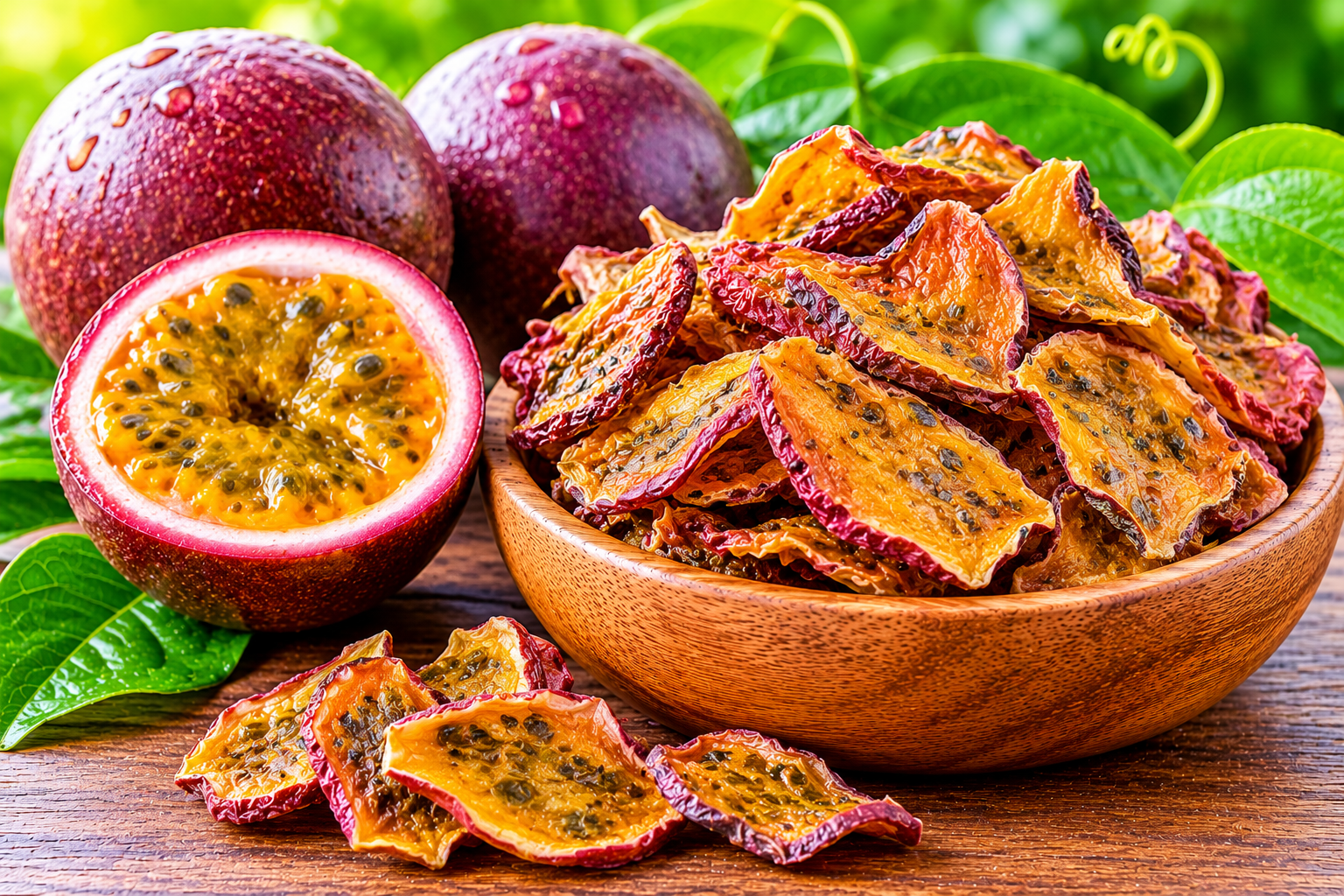
Dried passion fruit is made by removing moisture from the edible pulp or juice of fresh passion fruit. Depending on the production method, the final product may contain fruit pulp, seeds or both.
Unlike some fruits that are simply sliced before drying, passion fruit is often processed into pulp or juice first. This makes it suitable for several product formats.
Common varieties include:
- Dried passion fruit pulp: Dehydrated fruit pulp used in food applications.
- Passion fruit powder: A powdered ingredient used in beverages, desserts and food manufacturing.
- Passion fruit leather: A flexible, chewy fruit snack made by drying prepared pulp.
- Dried passion fruit pieces: Small pieces or inclusions used in snack and confectionery products.
- Freeze-dried passion fruit: A lightweight product made using freeze-drying technology, often designed to retain much of the fruit’s original flavour and colour.
The exact ingredients and processing method vary between manufacturers. Some commercial powders may contain carriers or added ingredients, so buyers should check the label.
2. How Is Dried Passion Fruit Made?
Commercial production involves several stages to turn fresh fruit into a stable ingredient.
Step 1: Fruit Selection
Mature, good-quality passion fruits are selected. Damaged, spoiled or unsuitable fruit should be removed.
Step 2: Washing and Cleaning
The fruit is cleaned using suitable food-processing procedures to remove dirt and surface contaminants.
Step 3: Cutting and Pulp Extraction
The fruit is opened and its edible pulp is separated. Depending on the product specification, seeds may be retained or separated.
Step 4: Pulp Preparation
The pulp may be filtered, blended or prepared for drying. Manufacturers select the preparation method according to the desired final product.
Step 5: Dehydration
The prepared material is dried using suitable equipment. Options include tray drying, controlled-air drying, spray drying and freeze-drying. Each method produces different textures and product characteristics.
Step 6: Grinding or Sizing
If powder is required, the dried material may be milled and sieved to achieve the desired particle size.
Step 7: Quality Inspection
The finished product is checked for moisture, water activity, colour, flavour, microbial safety and other relevant specifications.
Step 8: Packaging
The product is packed in suitable moisture-resistant food packaging to protect it during storage and transport.
Commercial manufacturers should validate their processing conditions and food-safety controls before selling the product.
3. Nutritional Profile of Passion Fruit Products
Fresh passion fruit contains carbohydrates, dietary fibre and naturally occurring plant compounds. It also provides vitamins and minerals.
The nutritional profile of a dried product depends on how it is made. Drying removes water, concentrating some nutrients and natural sugars by weight. Heat processing can also reduce certain heat-sensitive nutrients.
| Nutritional component | General information |
|---|---|
| Carbohydrates | Contribute energy |
| Natural sugars | Provide the fruit’s characteristic sweetness |
| Dietary fibre | May be present, depending on pulp and seed content |
| Vitamin C | Naturally present in fresh fruit; processing may reduce its level |
| Plant compounds | Includes naturally occurring polyphenols and pigments |
| Minerals | Present in varying amounts |
| Calories | More concentrated per gram than fresh fruit in many dried formats |
Important: Passion fruit powder, fruit leather and dried pulp are not nutritionally identical. Check the product label for serving size, added sugar, ingredients and nutritional information.
4. Potential Benefits of Dried Passion Fruit
When included in sensible portions as part of a balanced diet, passion fruit products can offer several useful nutritional and practical qualities.
A Source of Dietary Fibre
Products retaining the fruit pulp and seeds may contribute dietary fibre. Fibre is an important part of a balanced eating pattern and supports normal digestive function.
Contains Naturally Occurring Plant Compounds
Passion fruit contains plant compounds such as polyphenols and carotenoids. Their amounts depend on the fruit variety and processing conditions.
Convenient Energy Source
The carbohydrates in dried fruit products provide energy. They can be incorporated into snack mixes, breakfast foods and other convenient meals.
Adds Tropical Flavour to Food
Its distinctive sweet-tart taste can enhance smoothies, yoghurt, desserts, sauces and bakery products without requiring fresh fruit preparation.
Convenient Storage and Transport
Properly processed and packaged dried ingredients can be easier to transport and store than fresh fruit. Actual shelf life depends on moisture, packaging and storage conditions.
A serving-size reminder: Dried fruit products can contain concentrated natural sugars and calories. Some commercial versions also contain added sugar. Enjoy moderate portions and compare product labels.
5. Different Types of Dried Passion Fruit Products
Different product formats serve different customers and industries.
| Product type | Characteristics | Common applications |
|---|---|---|
| Dried pulp | Dehydrated passion fruit pulp | Food ingredients |
| Passion fruit powder | Fine powdered ingredient | Smoothies and beverage mixes |
| Fruit leather | Flexible, chewy fruit sheet | Snack products |
| Freeze-dried passion fruit | Lightweight, crisp texture | Premium snacks and toppings |
| Dried fruit pieces | Small fruit inclusions | Bakery and confectionery |
| Passion fruit flakes | Small dried fragments | Cereals and food mixes |
For commercial buyers, the most suitable format depends on flavour strength, solubility, texture, ingredient requirements and intended application.
6. Dried Passion Fruit vs Fresh Passion Fruit
Both formats offer the fruit’s characteristic flavour, but they have different uses.
| Feature | Fresh passion fruit | Dried passion fruit |
|---|---|---|
| Moisture | High | Reduced |
| Texture | Juicy pulp and seeds | Powdery, chewy or crisp |
| Flavour | Fresh and tangy | Often concentrated |
| Storage | Requires careful handling | Usually easier to store |
| Portability | Less convenient | Convenient |
| Applications | Juices, desserts and fresh eating | Snacks, powders and food ingredients |
Fresh fruit is ideal for immediate use, while dried formats are useful for convenient storage and commercial food applications.
7. Popular Uses of Dried Passion Fruit
Its distinctive flavour makes it suitable for a wide range of recipes and food products.
Smoothies and Beverage Mixes
Passion fruit powder can be blended into smoothies, drink mixes and other beverage preparations. Check whether the powder is designed to dissolve or disperse in liquids.
Yoghurt and Breakfast Bowls
Sprinkle suitable dried fruit pieces or powder over yoghurt, oatmeal, granola and breakfast bowls.
Bakery Products
Bakeries can experiment with passion fruit ingredients in:
- Cakes
- Muffins
- Cookies
- Pastries
- Dessert fillings
- Sweet bread
Ice Cream and Frozen Desserts
The fruit’s tangy flavour can complement ice cream, sorbets, frozen yoghurt and dessert toppings.
Chocolates and Confectionery
Fruit powder and dried inclusions can be used in chocolates, sweets, fillings and premium confectionery products.
Sauces and Dressings
Suitable passion fruit powder can add a fruity, tangy flavour to sauces, marinades and salad dressings.
Premium Snack Mixes
Small quantities can be combined with other dried fruits, nuts and seeds to create tropical snack blends.
8. Easy Passion Fruit Smoothie Recipe
Ingredients:
- 1 banana
- 1 cup milk or a suitable plant-based alternative
- ½ cup plain yoghurt
- 1–2 teaspoons passion fruit powder
- Ice cubes as required
- Sweetener, if desired
Preparation:
- Add the banana, milk and yoghurt to a blender.
- Add the passion fruit powder.
- Blend until smooth.
- Add ice and blend again.
- Taste and adjust sweetness if needed.
- Serve immediately.
Use a food-grade powder intended for beverage applications and follow its serving instructions.
9. Dried Passion Fruit Price: What Determines the Cost?
The market price varies according to product type, quality, origin, processing technology and order quantity. Powder, fruit leather and freeze-dried products can have very different costs.
Key price factors include:
- Raw fruit availability: Seasonal supply and harvest conditions influence fresh-fruit costs.
- Processing technology: Freeze-drying, spray drying and conventional dehydration have different production costs.
- Fruit content: Pure fruit products may have different costs from products containing carriers or other ingredients.
- Quality specifications: Colour, flavour, particle size, moisture and other standards affect pricing.
- Packaging: Retail pouches, bulk bags and specialist packaging have different costs.
- Order quantity: Wholesale buyers may receive different quotations depending on volume.
- Transport and storage: Freight, handling and storage requirements affect the final landed cost.
When comparing suppliers, request quotations for the same product format, ingredient composition, fruit content, packaging and quality specifications.
10. How to Choose High-Quality Dried Passion Fruit
Whether you are purchasing for home use or commercial production, quality checks are important.
Check the Ingredients
Look for clear ingredient declarations. Confirm whether the product contains added sugar, preservatives, colours or carriers.
Examine the Colour
The colour should be reasonably consistent with the product description. Unusual discolouration may indicate poor handling or storage.
Check the Aroma
A good product should have a characteristic passion fruit aroma without unpleasant or unusual smells.
Evaluate Texture
Powder should meet the stated particle-size specification. Fruit leather and pieces should have a consistent texture suitable for their intended use.
Review Packaging
Choose sealed, food-grade packaging that protects against moisture and contamination.
Ask for Documentation
Commercial buyers should request:
- Product specification sheet
- Ingredient declaration
- Batch and traceability information
- Relevant food-safety certifications
- Microbiological test results
- Moisture or water-activity information
- Shelf-life details
A sample order is a useful way to assess quality before making a bulk purchase.
11. Dried Passion Fruit Wholesale and Bulk Buying
The product can serve several commercial customer groups.
Potential buyers include:
- Food ingredient distributors
- Supermarkets and grocery retailers
- Online food stores
- Juice and beverage manufacturers
- Bakeries and dessert businesses
- Ice cream manufacturers
- Confectionery companies
- Health-food retailers
- Hotels and restaurants
- Snack manufacturers
Before placing a bulk order, compare supplier quotations, minimum order quantities, product specifications, packaging and delivery terms.
For international trade, confirm the relevant food safety, import, export, labelling and customs requirements in the destination market.
12. Business Opportunities in the Dried Passion Fruit Market
Entrepreneurs can explore several business models based on their budget, supply network and target customers.
Wholesale Distribution
Buy from established fruit processors and supply retailers, food manufacturers and distributors.
Private Label Manufacturing
Launch a branded range of passion fruit powder, fruit leather or dried fruit snacks through a qualified contract manufacturer.
Online Retail Business
Sell consumer-sized packs through an e-commerce website or online marketplaces. Attractive product photography, accurate descriptions and dependable delivery are important.
Smoothie and Beverage Ingredients
Supply food-grade powder to smoothie brands, beverage manufacturers, cafés and health-food businesses.
Premium Snack Manufacturing
Create fruit-based snack products by combining passion fruit with other tropical fruits, nuts and seeds.
Export Business
Explore overseas markets for dried tropical fruit ingredients. Exporters should verify the destination market’s food regulations, documentation and buyer requirements.
Food Ingredient Supply
Supply manufacturers of bakery products, confectionery, desserts, sauces and beverages.
13. Passion Fruit Drying Machine and Commercial Processing Equipment
Entrepreneurs interested in manufacturing should understand the equipment required for their chosen product format.
| Equipment | Purpose |
|---|---|
| Fruit washing machine | Cleans incoming fruit |
| Sorting and grading machine | Separates fruit by quality and size |
| Fruit cutting equipment | Supports fruit opening and preparation |
| Pulp extractor | Separates edible pulp from the shell |
| Seed separator | Separates seeds when required |
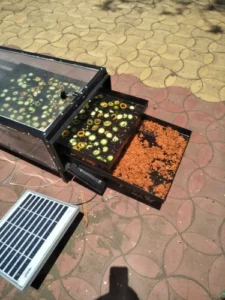
| Tray dryer | Dries prepared fruit material |
| Spray dryer | Converts suitable liquid feed into powder |
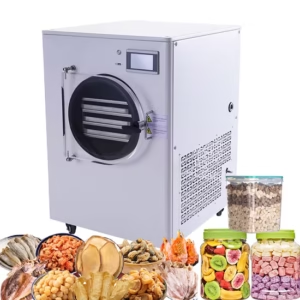
| Freeze dryer | Produces lightweight freeze-dried ingredients |
| Pulverizer or mill | Converts dried material into powder |
| Sieving machine | Controls powder particle size |
| Weighing machine | Measures finished product quantities |
| Packaging and sealing machine | Packs and protects finished products |
What to Consider Before Buying a Drying Machine
Before investing in machinery, evaluate:
- Required daily production capacity
- Expected finished-product yield
- Energy consumption
- Drying temperature and airflow control
- Processing time
- Cleaning and maintenance requirements
- Food-contact material specifications
- Availability of spare parts
- Installation and operator training
- Quality testing facilities
Not every machine is suitable for every passion fruit product. For example, producing fruit powder from liquid pulp may require a different process from making fruit leather.
Conduct pilot production trials and calculate the total production cost before purchasing industrial equipment.
14. Storage and Shelf-Life Tips
Proper storage helps maintain flavour, texture and product quality.
- Store in sealed, food-grade packaging.
- Keep the product in a cool and dry location.
- Protect it from moisture and direct sunlight.
- Avoid exposure to strong odours.
- Follow the manufacturer’s storage instructions.
- Reseal opened packs carefully.
- Use the product within its stated shelf life.
Powders may absorb moisture more easily than larger dried pieces, so packaging selection is particularly important.
15. Frequently Asked Questions
What is dried passion fruit?
It is a product made by removing moisture from passion fruit pulp or juice. It may be sold as dried pulp, powder, fruit leather, flakes or freeze-dried pieces.
Is dried passion fruit healthy?
It can be included in a balanced diet. Nutritional content varies by product, and dried formats may have more concentrated sugars and calories by weight than fresh fruit.
Is passion fruit powder the same as dried passion fruit?
Not always. Powder is one type of dried passion fruit product. It may be made from pulp or juice and can contain additional ingredients, depending on the manufacturer.
Does dried passion fruit contain added sugar?
Some products contain only fruit, while others include added sugar or carriers. Always read the ingredient list.
Can dried passion fruit be used in smoothies?
Yes. Suitable fruit powders can be added to smoothies and beverage mixes. Follow the product’s recommended usage instructions.
What is the difference between spray drying and freeze-drying?
Spray drying converts a prepared liquid feed into powder using hot air. Freeze-drying removes frozen water under reduced pressure and is often used to create lightweight, porous fruit products. The best method depends on the desired product and budget.
Can I start a dried passion fruit business?
Potential business models include wholesale distribution, private-label products, online retail, snack manufacturing and food ingredient supply. Start by researching demand, suppliers, processing costs and food regulations.
Which machine is used to manufacture passion fruit powder?
Depending on the formulation, production may use pulp extraction equipment, a spray dryer or freeze dryer, followed by milling, sieving and packaging equipment.
16. Conclusion
Dried passion fruit is a versatile tropical fruit ingredient with applications in beverages, bakery products, desserts, confectionery and snack manufacturing. Its distinctive sweet-tart flavour gives food businesses an opportunity to develop interesting products for consumers seeking tropical fruit ingredients.
For entrepreneurs, possible opportunities include wholesale distribution, private-label products, online retail, food manufacturing and export.
The key to building a successful business is to source consistent-quality fruit, choose the right processing technology, maintain food safety and understand the needs of your target customers.
Whether you are exploring new food ingredients or planning a dried fruit venture, passion fruit is a worthwhile product to consider in the growing tropical fruit category.