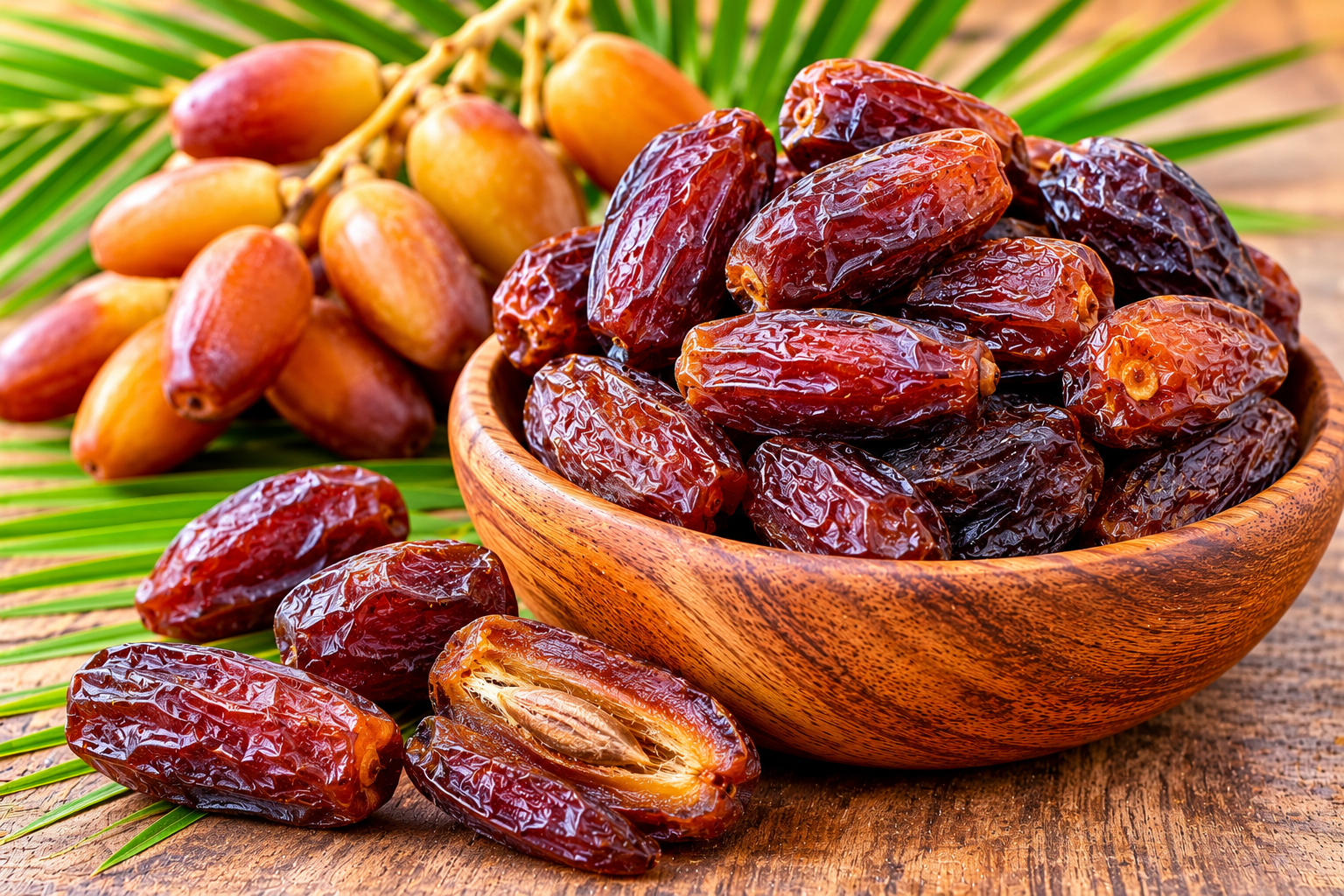
Dried Dates
Dried Dates: 12 Amazing Benefits, Nutrition, Uses, Price & Profitable Business Opportunities
Dates are among the oldest cultivated fruits in the world. Popular for their naturally sweet taste, soft texture and nutritional value, they are enjoyed across the Middle East, Asia, Africa and many other regions.
Known as khajoor in India, dates are used in everyday snacks, traditional sweets, desserts, smoothies and festive food preparations. Their natural sweetness and versatility have also made them popular in the food-processing and health-food industries.
The commercial market offers several opportunities, from premium date varieties and bulk distribution to private-label packaging, online retail and value-added food manufacturing.
In this guide, we explore the nutritional profile, potential benefits, popular varieties, processing methods, culinary uses, buying tips, wholesale opportunities and machinery required for commercial production.
1. What Are Dried Dates?
Dates are the edible fruits of the date palm tree (Phoenix dactylifera). They grow in clusters and are harvested at different stages of maturity.
Some dates are naturally dried on the palm or after harvesting, while others are processed to achieve a particular moisture level and texture.
They are available in several forms:
- Soft dates: Moist, tender and naturally sweet.
- Semi-dry dates: Firmer than soft varieties, with moderate moisture.
- Dry dates: Firm, less moist and often chewy.
- Pitted dates: Seeds removed for convenient consumption and processing.
- Date pieces: Chopped fruit used in baking and snack products.
- Date paste: A smooth ingredient used in fillings and food manufacturing.
- Date powder: A processed ingredient made from dried date material.
Their flavour can range from mild caramel-like sweetness to rich, fruity and honey-like notes depending on the variety.
2. Popular Types of Dates
Different varieties are valued for their taste, texture, appearance and commercial applications.
Ajwa Dates
Ajwa dates are a well-known premium variety associated with Saudi Arabia. They are generally dark in colour and have a soft texture with a distinctive flavour.
Medjool Dates
Medjool dates are large, soft and rich in flavour. They are often marketed as premium dates and are popular in gift boxes and specialty food stores.
Deglet Noor Dates
Deglet Noor dates are commonly used in cooking, baking and commercial food production. They have a lighter amber appearance and a firmer texture than many soft varieties.
Safawi Dates
Safawi dates are a popular dark variety with a soft, chewy texture and rich sweetness.
Mabroom Dates
Mabroom dates are generally elongated, with a chewy texture and a distinctive caramel-like flavour.
Zahidi Dates
Zahidi dates are often lighter in colour and firmer in texture. They can be used for snacking and selected food preparations.
Kimia Dates
Kimia dates are commonly associated with Iran and are known for their soft texture and sweet flavour.
| Date variety | General characteristics | Common applications |
|---|---|---|
| Ajwa | Dark, distinctive flavour | Premium retail and gifting |
| Medjool | Large, soft and rich | Premium snacks and desserts |
| Deglet Noor | Amber colour and firmer texture | Baking and food manufacturing |
| Safawi | Dark and chewy | Retail and snacking |
| Mabroom | Elongated and chewy | Premium retail |
| Zahidi | Firm and lighter in colour | Snacking and cooking |
| Kimia | Soft and sweet | Retail and desserts |
Variety names, grades and product specifications should be confirmed with suppliers before commercial purchasing.
3. Nutritional Profile of Dates
Dates contain carbohydrates, natural sugars, dietary fibre and several minerals. They also provide naturally occurring plant compounds.
| Nutritional component | General information |
|---|---|
| Carbohydrates | Main source of energy |
| Natural sugars | Contribute to the sweet taste |
| Dietary fibre | Supports normal digestive function |
| Potassium | Essential for normal muscle and nerve function |
| Magnesium | Involved in many normal body processes |
| Copper | Supports normal iron metabolism |
| Vitamin B6 | Present in small amounts |
| Plant compounds | Includes naturally occurring polyphenols |
Nutritional composition varies by variety, maturity, moisture level and serving size.
Important: Dates contain concentrated natural sugars and calories. Their nutritional values should be assessed using the product’s serving size and food label. Products with added ingredients may have a different nutritional profile.
4. Potential Benefits of Eating Dates
When enjoyed in moderate portions as part of a balanced diet, dates can contribute useful nutrients and variety to everyday meals.
1. Provide Convenient Energy
Dates contain carbohydrates and natural sugars, making them a convenient source of energy during busy days and physical activities.
2. Contain Dietary Fibre
Their fibre content contributes to normal digestive function and helps make them a useful addition to a varied diet.
3. Provide Potassium
Dates contain potassium, an essential mineral involved in normal muscle function, nerve signalling and fluid balance.
4. Contain Magnesium
Magnesium supports normal muscle and nerve function and contributes to several processes in the body.
5. Provide Naturally Occurring Plant Compounds
Dates contain polyphenols and other plant compounds that contribute to their natural composition.
6. Convenient Pre-Activity Snack
Their compact size and carbohydrate content make them easy to carry and consume before physical activity.
7. Useful in Natural Sweetening
Date paste can be used in selected recipes as a fruit-based sweetening ingredient. It still contributes natural sugars and calories.
8. Easy to Include in Breakfast
Chopped dates can add sweetness and texture to oatmeal, cereals, yoghurt and smoothies.
9. Versatile for Cooking
They can be used in sweet and savoury recipes, including stuffed snacks, sauces, rice dishes and baked products.
10. Convenient for Travel
Properly packaged products are easy to carry and do not require the same handling as fresh fruit.
11. Suitable for Many Recipe Formats
Whole dates, chopped pieces and paste can be used in different food preparations.
12. Adds Variety to a Balanced Diet
Their distinctive flavour and texture provide an alternative to other dried fruits and sweet ingredients.
Serving reminder: Dates are naturally high in sugars and energy by weight. People monitoring blood glucose or carbohydrate intake should pay attention to portion sizes and their overall dietary needs.
5. Fresh Dates vs Dried Dates
Dates are harvested and marketed at different stages of maturity. Their moisture content and texture can vary considerably.
| Feature | Fresh dates | Dried dates |
|---|---|---|
| Moisture | Usually higher in fresh stages | Lower in drier products |
| Texture | Can be crisp or soft | Often chewy or firm |
| Sweetness | Depends on maturity | Often concentrated |
| Storage | Depends on variety and maturity | Generally easier to store |
| Portability | Convenient, but may need careful handling | Often convenient |
| Applications | Fresh eating and desserts | Snacks, baking and food ingredients |
The distinction between fresh and dried dates is not always simple because many commercial date varieties are naturally soft or semi-dry even when mature.
6. How Are Dates Processed Commercially?
Commercial date processing involves several stages to prepare the fruit for retail and food manufacturing.
Step 1: Harvesting
Mature date bunches are harvested at the appropriate stage according to the variety and intended product.
Step 2: Initial Sorting
Remove damaged, spoiled or unsuitable fruit.
Step 3: Cleaning
Clean the dates using appropriate food-processing procedures to remove dust and unwanted material.
Step 4: Grading
Separate the fruit according to size, colour, quality and variety.
Step 5: Moisture Management
Depending on the product specification, dates may undergo controlled drying or moisture conditioning.
Step 6: Pitting
For products sold without seeds, suitable equipment removes the pits while preserving the edible flesh.
Step 7: Further Processing
Dates may be chopped, sliced, converted into paste or processed into powder for different food applications.
Step 8: Quality Inspection
Check the product for moisture, water activity, appearance, foreign material and relevant food-safety requirements.
Step 9: Packaging
Pack the finished product in suitable food-grade packaging to protect it from contamination and moisture changes.
Commercial processors should establish validated food-safety procedures, product specifications and shelf-life testing.
7. Popular Uses of Dates
Their natural sweetness and soft or chewy texture make dates useful in many food applications.
Healthy Snack Packs
Enjoy whole dates as a convenient snack or combine them with nuts and seeds.
Breakfast Bowls
Chop them into oatmeal, cereal, granola and yoghurt.
Smoothies and Milkshakes
Blend pitted dates into smoothies and milkshakes to add sweetness and a rich texture.
Bakery Products
Dates are widely used in:
- Date cakes
- Cookies
- Muffins
- Sweet breads
- Energy bars
- Pastries
- Biscuits
Indian Traditional Sweets
They can be used in:
- Date laddoos
- Khajoor rolls
- Dry fruit barfi
- Kheer
- Halwa
- Festive sweet mixtures
Stuffed Dates
Fill pitted dates with almonds, walnuts, pistachios or other suitable ingredients to create premium snacks.
Chocolates and Confectionery
Date paste and chopped fruit can be used in selected chocolate fillings, snack bars and confectionery products.
Savoury Dishes
Dates can add sweetness to selected sauces, rice dishes and savoury preparations.
Premium Gift Hampers
Combine premium varieties with nuts, chocolates and other dried fruits to create attractive gift boxes.
8. Easy Homemade Date and Nut Energy Balls
Ingredients:
- 1 cup pitted dates
- ½ cup almonds
- ¼ cup cashews
- 2 tablespoons desiccated coconut
- 1 tablespoon chia seeds
- 1 teaspoon cocoa powder (optional)
Preparation:
- Remove the pits if using whole dates.
- Add the dates and nuts to a food processor.
- Process until the mixture begins to stick together.
- Add coconut, chia seeds and cocoa powder.
- Mix again until combined.
- Roll the mixture into small balls.
- Refrigerate until firm and serve.
This simple recipe can also inspire commercial date-based snack products.
9. Dried Dates Price: What Determines the Cost?
Prices vary according to variety, origin, grade, size, moisture level, packaging and order quantity.
Important price factors include:
Date Variety
Premium varieties such as Ajwa and Medjool may command different prices from standard commercial varieties.
Country of Origin
Growing region, harvest conditions and supply chain arrangements influence costs.
Size and Grade
Large, uniform fruit with a consistent appearance may be priced differently from smaller or mixed-grade products.
Moisture and Texture
Soft, semi-dry and firm products have different handling and storage requirements.
Pitted or Unpitted
Removing seeds adds processing steps and may affect the final price.
Packaging
Retail pouches, bulk cartons, vacuum packs and premium gift boxes all have different packaging costs.
Order Quantity
Wholesale and bulk orders may have different pricing structures and minimum order requirements.
Transportation and Storage
Freight, handling, warehousing and storage conditions contribute to the final landed cost.
For accurate comparisons, request quotations using the same variety, origin, grade, size, moisture specification, packaging and delivery terms.
10. How to Choose High-Quality Dates
Whether buying for personal use or commercial resale, quality checks are important.
Check the Appearance
Look for dates with a reasonably consistent colour and appearance appropriate to the variety.
Check the Texture
The texture should match the stated product specification. Avoid fruit that appears unusually wet, damaged or spoiled.
Check the Aroma
Dates should have a pleasant, characteristic fruity smell without unusual or unpleasant odours.
Inspect for Foreign Material
Check the product for unwanted stems, stones, insects or other foreign material.
Read the Ingredients
Check whether the product contains added sugar, glucose syrup, preservatives or other ingredients.
Review Packaging
Choose sealed, food-grade packaging that protects the fruit from contamination and moisture changes.
Check the Label
Review the manufacturing date, best-before date, country of origin, variety and storage instructions.
Request Supplier Documents
Commercial buyers should request:
- Product specification sheet
- Ingredient declaration
- Batch and traceability details
- Relevant food-safety documents
- Microbiological test results, where applicable
- Moisture and water-activity information
- Shelf-life details
For bulk orders, request samples before confirming the purchase.
11. Dates Wholesale and Bulk Buying Opportunities
Dates are used in retail, hospitality, food manufacturing and gifting businesses.
Potential wholesale customers include:
- Dry fruit wholesalers
- Supermarkets and grocery retailers
- Online grocery stores
- Sweet shops
- Bakeries and confectionery manufacturers
- Hotels and restaurants
- Catering companies
- Snack manufacturers
- Food ingredient distributors
- Corporate gift suppliers
Before placing a bulk order, compare minimum order quantities, variety, grade, supplier reliability, packaging, delivery charges and payment terms.
For international trade, verify destination-country food regulations, import documentation, product labelling and quality requirements.
12. Profitable Business Opportunities in the Date Market
Entrepreneurs can explore several business models depending on their investment, sourcing network and target customers.
1. Wholesale Date Distribution
Purchase products from established growers, importers or processors and supply retailers, supermarkets and food businesses.
2. Private Label Date Products
Develop a branded range through a qualified manufacturer or packaging partner.
Possible product lines include:
- Premium Ajwa dates
- Medjool dates
- Seedless dates
- Pitted dates
- Stuffed dates
- Mixed dry fruit packs
- Date-based snack products
3. Online Retail Business
Sell consumer-sized packs through an e-commerce website or online marketplaces.
Attractive product photography, clear descriptions, accurate variety information and reliable delivery can help build customer confidence.
4. Premium Gift Box Business
Create attractive gift boxes containing premium dates, almonds, pistachios, cashews and chocolates.
5. Date Paste Manufacturing
Supply date paste to bakeries, confectionery producers, snack manufacturers and food-processing companies.
6. Date Powder Production
Explore powdered date ingredients for selected food formulations. Product specifications and moisture control are important.
7. Export Business
Explore international markets for different date varieties and value-added products. Exporters must confirm destination-country food safety, labelling and documentation requirements.
8. Date Processing and Packaging Unit
Set up a small or medium-scale cleaning, grading, pitting and packaging facility after evaluating raw-material supply, machinery costs and customer demand.
Business planning tip: Calculate the cost of raw dates, sorting losses, pitting, packaging, labour, storage, transport and marketing before estimating profitability. Premium pricing does not automatically guarantee high margins.
13. Date Processing Machine and Commercial Manufacturing Equipment
Businesses interested in commercial production should understand the equipment used for cleaning, grading, pitting and packaging.
| Equipment | Purpose |
|---|---|
| Date washing machine | Cleans incoming dates |
| Sorting conveyor | Removes damaged or unsuitable fruit |
| Grading machine | Separates dates by size and grade |
| Moisture conditioning equipment | Helps manage product moisture |
| Date pitting machine | Removes seeds |
| Date cutting machine | Produces chopped or sliced pieces |
| Date paste machine | Processes dates into paste |
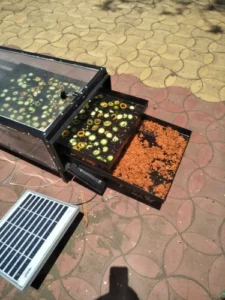
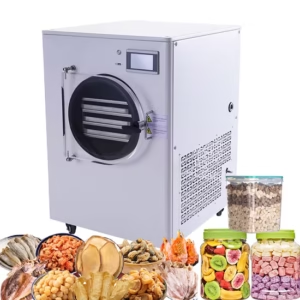
| Food dehydrator | Supports controlled moisture removal |
| Pulverizer | Processes suitable dried material into powder |
| Weighing machine | Measures product quantities |
| Packaging machine | Packs the finished product |
| Vacuum packing machine | Removes air from suitable packaging |
| Sealing machine | Seals food packages |
What Should Businesses Consider Before Buying Machinery?
Before purchasing industrial equipment, evaluate:
- Daily processing capacity
- Date variety and size range
- Whole-fruit recovery rate
- Pitting efficiency
- Product damage during processing
- Moisture and temperature control
- Energy consumption
- Ease of cleaning and maintenance
- Food-contact material specifications
- Spare-parts availability
- Installation and operator training
- Quality testing facilities
Conduct pilot trials and calculate production costs before investing in large-scale machinery.
14. Storage Tips
Proper storage helps maintain the flavour, texture and quality of dates.
- Keep the product in sealed, food-grade packaging.
- Store it according to the manufacturer’s instructions.
- Protect it from excessive heat and moisture.
- Avoid exposure to strong odours.
- Reseal opened packages carefully.
- Follow the labelled shelf-life guidance.
- Use clean, dry storage areas for commercial stock.
Storage requirements vary with moisture content and product type. Some soft varieties may require refrigeration or other controlled storage conditions.
15. Frequently Asked Questions
What are dried dates called in India?
They are commonly known as khajoor. The term may refer to several date varieties and product formats.
Are dates healthy?
Dates provide carbohydrates, dietary fibre, potassium, magnesium and naturally occurring plant compounds. They can be included in a balanced diet in moderate portions.
Which date variety is best?
There is no single best variety. Ajwa, Medjool, Deglet Noor, Safawi, Mabroom and Zahidi all have different flavours, textures and applications.
Do dates contain added sugar?
Plain dates naturally contain sugars. Some processed products may include added sweeteners, so check the ingredient label.
Can dates be eaten every day?
Many people can include moderate portions in their diet. Portion size is important because dates are concentrated in natural sugars and calories.
Are dates suitable for baking?
Yes. Whole, chopped and paste forms are used in cakes, cookies, muffins, breads, fillings and snack bars.
Can dates be sold online?
Yes. Businesses can explore e-commerce and marketplace sales, subject to applicable food-business and product-labelling requirements.
Which machine is used to process dates?
Commercial operations may use washing, sorting, grading, pitting, cutting, paste-making, weighing and packaging equipment.
Can dates be used to manufacture date powder?
Yes. Suitable dried date material can be processed into powder using appropriate equipment and moisture-control procedures.
Is the date business profitable?
It can offer opportunities in distribution, packaging, retail and food manufacturing. Profitability depends on sourcing costs, quality, processing losses, packaging, competition and customer demand.
16. Conclusion
Dates are a versatile fruit product with a long history of consumption and a wide range of applications in snacks, traditional sweets, bakery products, smoothies and commercial food manufacturing.
Their different varieties, natural sweetness and convenient formats make them attractive to consumers and food businesses.
For entrepreneurs, opportunities may exist in wholesale distribution, private-label packaging, online retail, premium gift boxes, date paste manufacturing, processing and exports.
Success depends on sourcing consistent-quality fruit, selecting suitable machinery, maintaining food safety and understanding customer preferences.
Whether you are exploring nutritious snack ingredients or planning a dried fruit business, dates are a valuable product category to research.