Dried Raisins
Dried Raisins: 12 Benefits, Nutrition, Uses, Price & Profitable Business Opportunities
Dried raisins are among the world’s most popular dried fruit products. Made from grapes through natural or controlled drying methods, these small, sweet and chewy fruits are enjoyed in homes, bakeries, restaurants and food manufacturing industries.
Known as kishmish in India, raisins are commonly added to desserts, breakfast cereals, sweets, trail mixes, bakery products and traditional recipes. Their convenient size, sweet flavour and versatility make them a valuable ingredient for both consumers and commercial food businesses.
The dried fruit market also offers opportunities for wholesalers, retailers, private-label brands, exporters and food processors. From premium golden raisins to natural black varieties, different products serve different customer preferences.
In this guide, we explore the nutritional profile, potential benefits, varieties, uses, processing methods, buying tips, wholesale opportunities and commercial machinery.
1. What Are Dried Raisins?
Raisins are dried grapes produced by removing most of the water from fresh grapes. The drying process concentrates their natural sugars and creates a sweet flavour with a chewy texture.
They are available in different colours, sizes and varieties depending on the grape type and processing method.
Raisins are widely consumed as:
- Ready-to-eat snacks
- Breakfast ingredients
- Bakery and confectionery ingredients
- Dessert toppings
- Trail mix components
- Food manufacturing ingredients
In India, they are commonly called kishmish and are used in traditional sweets, pulao, kheer, halwa and festive food preparations.
2. Different Types of Raisins
There are several types of raisins available in retail and wholesale markets.
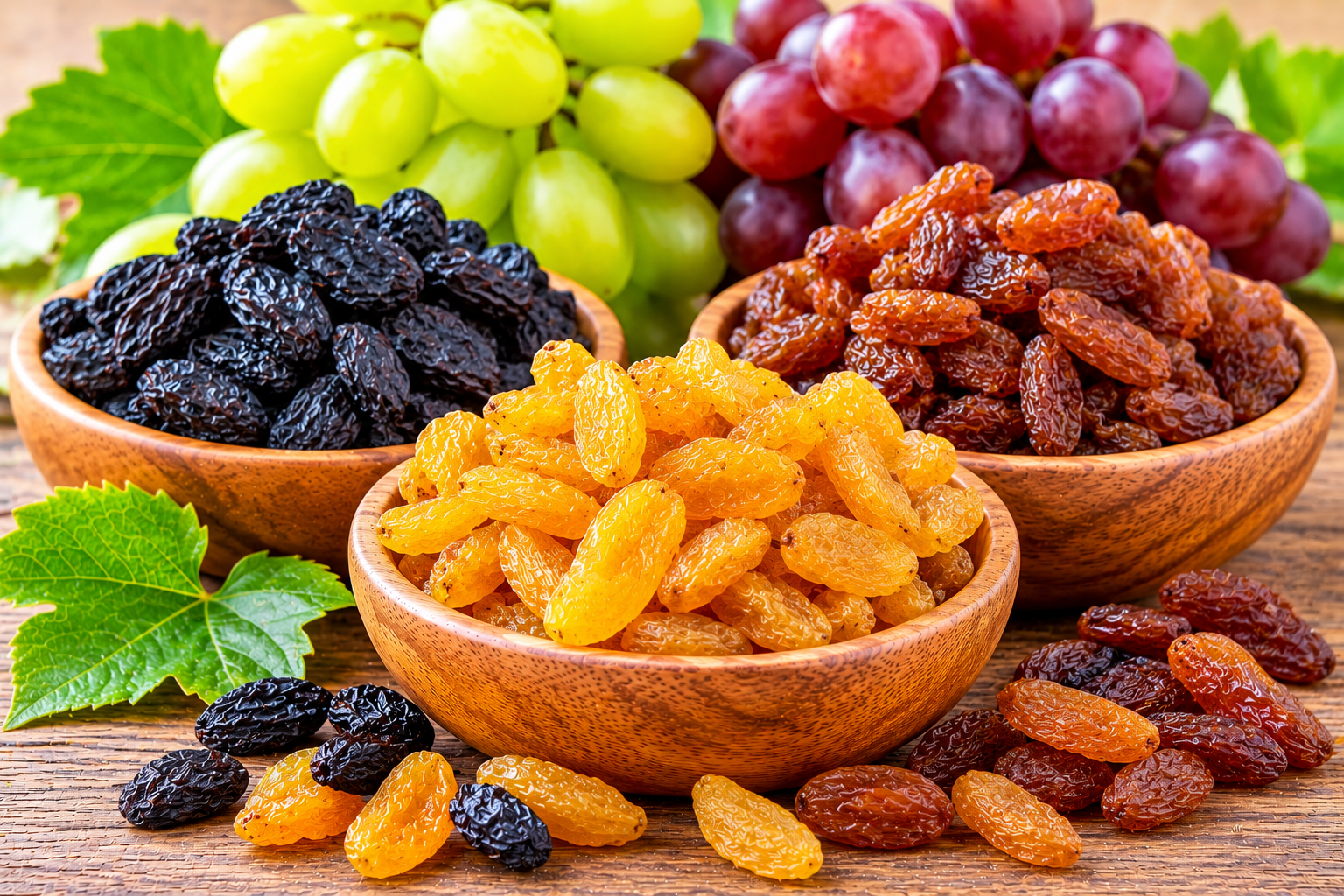
Black Raisins
Black raisins are generally made from dark-coloured grapes. They have a rich, sweet flavour and are commonly used in snacks, desserts and traditional recipes.
Golden Raisins
Golden raisins have a lighter colour and are often processed using controlled drying methods. Their bright appearance makes them popular in bakery products and premium snack mixes.
Green Raisins
Green raisins are made from green grape varieties. They are often longer in shape and have a distinctive sweet taste.
Sultanas
Sultanas are typically produced from seedless grape varieties and are often lighter in colour and softer in texture, depending on the processing method.
Seeded Raisins
These varieties contain seeds and may be preferred in particular regional markets and traditional food preparations.
Seedless Raisins
Seedless varieties are convenient for everyday snacking, baking, cereals and commercial food manufacturing.
| Type | Common characteristics | Popular uses |
|---|---|---|
| Black raisins | Dark colour and sweet flavour | Snacks and traditional sweets |
| Golden raisins | Light golden appearance | Baking and premium mixes |
| Green raisins | Green colour and elongated shape | Snacking and desserts |
| Sultanas | Often soft and seedless | Cakes and bakery products |
| Seeded raisins | Contain grape seeds | Traditional food applications |
| Seedless raisins | Convenient to eat and use | Retail and food manufacturing |
3. Nutritional Profile of Raisins
Raisins contain carbohydrates, natural sugars, dietary fibre and various minerals. They also provide naturally occurring plant compounds.
Because most of the water is removed during drying, their nutrients and sugars are concentrated by weight compared with fresh grapes.
| Nutritional component | General information |
|---|---|
| Carbohydrates | Main source of energy |
| Natural sugars | Responsible for the sweet taste |
| Dietary fibre | Contributes to daily fibre intake |
| Potassium | An essential mineral |
| Iron | Present in small amounts |
| Copper | A mineral found in raisins |
| Plant compounds | Includes naturally occurring polyphenols |
| Calories | More concentrated per gram than fresh grapes |
The exact nutritional values depend on grape variety, drying method, serving size and whether additional ingredients are used.
Important: Raisins are naturally sweet and calorie-dense compared with fresh grapes by weight. Check product labels for serving size, added sugar and other ingredients.
4. Potential Benefits of Dried Raisins
When enjoyed in moderate portions as part of a balanced diet, raisins can contribute useful nutrients and variety to everyday meals.
1. Provide Convenient Energy
Raisins contain carbohydrates and natural sugars that provide energy. Their small size makes them convenient for travel, work and outdoor activities.
2. Contain Dietary Fibre
They provide dietary fibre, which supports normal digestive function and is an important part of a balanced eating pattern.
3. Provide Potassium
Raisins contain potassium, a mineral involved in normal muscle function, nerve signalling and fluid balance.
4. Contain Iron
They provide some iron, which contributes to normal red blood cell formation and oxygen transport. However, raisins should not be considered a treatment for iron deficiency.
5. Provide Naturally Occurring Antioxidants
Raisins contain plant compounds, including polyphenols, which contribute to their natural composition.
6. Convenient for Everyday Meals
They can be added to breakfast bowls, yoghurt, cereals, snacks and desserts without complicated preparation.
7. Useful as a Natural Sweet Ingredient
Their sweet flavour makes them suitable for selected recipes where fruit sweetness is desired.
8. Easy to Carry and Store
Properly dried and packaged products are convenient for storage and transport compared with fresh grapes.
Serving reminder: Raisins contain concentrated natural sugars and calories. Enjoy moderate portions, particularly if you are monitoring carbohydrate or sugar intake.
5. Fresh Grapes vs Dried Raisins
Both products come from grapes, but their nutritional concentration, texture and storage characteristics differ.
| Feature | Fresh grapes | Dried raisins |
|---|---|---|
| Water content | High | Much lower |
| Texture | Juicy and crisp | Chewy and soft |
| Natural sugars | Less concentrated by weight | More concentrated by weight |
| Calories | Lower per gram | Higher per gram |
| Storage | Requires refrigeration or careful handling | Usually easier to store |
| Portability | Less convenient | Convenient |
| Uses | Fresh eating and juices | Baking, snacks and desserts |
Fresh grapes are refreshing and contain more water, while raisins provide a convenient, concentrated fruit ingredient.
6. How Are Raisins Made?
Commercial raisin production involves several stages, from grape selection to packaging.
Step 1: Grape Selection
Suitable grape varieties are selected according to the desired colour, flavour, seed content and product specification.
Step 2: Cleaning and Sorting
Grapes are inspected and cleaned using suitable food-processing procedures. Damaged or unsuitable grapes are removed.
Step 3: Drying Preparation
Depending on the production method, grapes may be prepared through suitable washing, treatment or drying procedures.
Step 4: Drying
Moisture is removed through natural sun drying, shade drying or controlled mechanical drying.
Step 5: Separation and Cleaning
The dried grapes are separated from unwanted stems and other foreign material.
Step 6: Grading
Raisins are graded according to size, colour, appearance and quality specifications.
Step 7: Quality Inspection
The finished product is checked for moisture, water activity, cleanliness and other relevant quality and safety requirements.
Step 8: Packaging
The raisins are packed in suitable food-grade packaging to protect them from moisture and contamination.
Commercial manufacturers should validate their drying process and establish appropriate hygiene, testing and storage procedures.
7. Popular Uses of Raisins
Their sweet flavour and convenient size make raisins suitable for a wide variety of food applications.
Breakfast and Cereals
Add them to oatmeal, cornflakes, muesli, granola and yoghurt bowls.
Bakery Products
Raisins are commonly used in:
- Cakes
- Cookies
- Muffins
- Sweet breads
- Cinnamon rolls
- Biscuits
- Pastries
Indian Traditional Sweets
They are widely used in:
- Kheer
- Halwa
- Laddoos
- Sheer khurma
- Barfi
- Sweet pulao
Trail Mixes
Combine them with almonds, cashews, walnuts, pumpkin seeds and other dried fruits.
Desserts and Ice Cream
Use them in puddings, fruit cakes, ice cream and dessert toppings.
Rice and Savoury Dishes
Raisins can add sweetness to pulao, biryani-style preparations and selected savoury dishes.
Chocolate and Confectionery
Food manufacturers use them in chocolate bars, snack bars and confectionery products.
8. Easy Homemade Raisin and Nut Snack Mix
Ingredients:
- ¼ cup raisins
- ¼ cup almonds
- ¼ cup cashews
- 2 tablespoons pumpkin seeds
- 2 tablespoons dried coconut flakes
- 1 tablespoon sunflower seeds
Preparation:
- Check that all ingredients are clean and ready to eat.
- Add them to a mixing bowl.
- Mix gently until evenly combined.
- Transfer the mixture into an airtight food-safe container.
- Serve in moderate portions.
This simple recipe can also inspire commercial snack mix products.
9. Dried Raisins Price: What Determines the Cost?
The price of raisins varies according to grape variety, origin, quality, processing method, packaging and order quantity.
Important price factors include:
Grape Variety
Different grape varieties produce different colours, sizes, flavours and product characteristics.
Harvest and Seasonal Supply
Grape production, weather and harvest conditions influence raw-material availability and market prices.
Processing Method
Natural drying and controlled mechanical drying have different production requirements.
Colour and Grade
Premium golden raisins and selected uniform grades may have different prices from standard products.
Seed Content
Seedless and seeded varieties serve different markets and may have different costs.
Packaging
Retail pouches, bulk bags and premium gift packaging affect the final selling price.
Order Quantity
Wholesale buyers may receive different quotations depending on order volume and supplier terms.
Transportation and Storage
Freight, handling, warehousing and storage requirements contribute to the final landed cost.
For accurate comparisons, request quotations based on the same variety, grade, colour, moisture specification, packaging size and delivery terms.
10. How to Choose High-Quality Raisins
Whether buying for home use or commercial resale, quality matters.
Check the Appearance
Choose products with a reasonably consistent colour and size appropriate to the stated grade.
Check the Texture
Raisins should have a texture suitable for their product specification. Avoid products showing signs of unwanted moisture or spoilage.
Read the Ingredients
Check whether the product contains added sugar, preservatives, oils or other ingredients.
Check the Aroma
The product should have a pleasant, characteristic fruity smell without unusual or unpleasant odours.
Review Packaging
Choose sealed, food-grade packaging that protects against moisture and contamination.
Check the Manufacturing Date
Review the manufacturing date, best-before date and recommended storage instructions.
Ask for Commercial Documentation
Wholesale buyers should request:
- Product specification sheet
- Ingredient declaration
- Batch and traceability details
- Relevant food-safety documents
- Microbiological test reports, where applicable
- Moisture and water-activity information
- Shelf-life details
For large purchases, request samples before placing a bulk order.
11. Raisins Wholesale and Bulk Buying Opportunities
Raisins are widely used in retail and food manufacturing, creating potential demand from different customer groups.
Potential buyers include:
- Dry fruit wholesalers
- Supermarkets and grocery retailers
- Online grocery stores
- Bakeries and confectionery manufacturers
- Hotels and restaurants
- Sweet shops
- Snack manufacturers
- Food ingredient distributors
- Catering businesses
- Premium gift hamper companies
Before purchasing in bulk, compare supplier reliability, minimum order quantities, grade, packaging, delivery charges and payment terms.
For international trade, confirm the applicable food safety, labelling, import and export requirements.
12. Profitable Business Opportunities in the Raisin Market
Raisins offer several business models for entrepreneurs interested in food distribution and processing.
1. Wholesale Distribution
Purchase raisins from established processors or suppliers and distribute them to retailers, supermarkets, bakeries and food manufacturers.
2. Private Label Business
Create a branded dried fruit range through a qualified manufacturer or packaging partner.
Potential products include:
- Premium black raisins
- Golden raisins
- Green raisins
- Seedless snack packs
- Mixed dry fruit packs
3. Online Retail Business
Sell consumer-sized packs through an e-commerce website or online marketplaces.
Attractive photography, accurate product descriptions, clear ingredient information and dependable delivery can help build customer confidence.
4. Premium Snack Manufacturing
Combine raisins with nuts, seeds and other dried fruits to produce convenient snack mixes.
5. Bakery Ingredient Supply
Supply bulk raisins to bakeries, cake manufacturers, biscuit producers and confectionery businesses.
6. Export Business
Explore international markets for different raisin grades and varieties. Exporters should confirm destination-country requirements, product documentation and food-safety standards.
7. Gift Pack Business
Create premium dry fruit hampers with raisins, almonds, cashews, pistachios and other dried fruits.
8. Raisin Processing and Packaging
Entrepreneurs can establish a small or medium-scale grading, cleaning and packaging unit after evaluating raw-material supply, equipment costs and customer demand.
Business profitability depends on sourcing, operating costs, product quality, competition and market demand. Research these factors before investing.
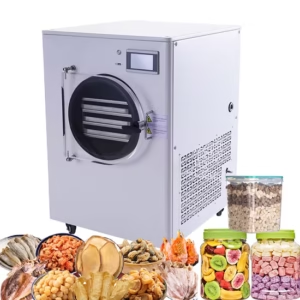
13. Raisin Processing Machine and Commercial Manufacturing Equipment
Businesses interested in commercial production should understand the equipment required for cleaning, drying, grading and packaging.
| Equipment | Purpose |
|---|---|
| Grape washing machine | Cleans incoming grapes |
| Sorting machine | Removes unsuitable grapes |
| Stem removal equipment | Separates unwanted stems |
| Drying trays or racks | Support drying operations |
| Solar dryer | Uses solar heat for controlled drying |
| Tray dryer | Removes moisture using heated air |
| Dehydrator | Supports controlled drying |
| Cleaning machine | Removes dust and unwanted material |
| Grading machine | Separates products by size |
| Optical sorting machine | Identifies selected defects and colour variations |
| Weighing machine | Measures finished product quantities |
| Packaging machine | Packs the finished product |
| Sealing machine | Seals food packaging |
What Should Businesses Consider Before Buying Machinery?
Before purchasing industrial equipment, evaluate:
- Daily processing capacity
- Grape variety and raw-material supply
- Drying time and moisture control
- Energy consumption
- Colour and quality requirements
- Ease of cleaning and maintenance
- Food-contact material specifications
- Availability of spare parts
- Installation and operator training
- Quality testing facilities
Conduct pilot trials and calculate production costs before investing in large-scale equipment.
14. Storage Tips for Raisins
Proper storage helps maintain flavour, texture and quality.
- Store in sealed, food-grade packaging.
- Keep the product in a cool and dry location.
- Protect it from direct sunlight and moisture.
- Avoid exposure to strong odours.
- Reseal opened packages carefully.
- Follow the manufacturer’s storage instructions.
- Use the product within its stated shelf life.
For commercial storage, maintain appropriate warehouse hygiene and protect the product from pests and moisture.
15. Frequently Asked Questions
What are dried raisins called in India?
They are commonly called kishmish in India and are used in snacks, desserts, sweets and traditional dishes.
Are raisins healthy?
They provide carbohydrates, dietary fibre, potassium and naturally occurring plant compounds. They can be included in a balanced diet in moderate portions.
What is the difference between black and golden raisins?
Black raisins are generally made from dark grape varieties, while golden raisins are produced using lighter grapes and often controlled drying methods. They differ in appearance, flavour and processing.
Do raisins contain added sugar?
Plain raisins naturally contain grape sugars. Some packaged products may contain additional ingredients, so check the label.
Can raisins be eaten every day?
Many people can enjoy moderate portions as part of a balanced diet. Portion size matters because raisins are concentrated in natural sugars and calories.
Are raisins suitable for baking?
Yes. They are widely used in cakes, cookies, muffins, sweet breads and other bakery products.
Can raisins be sold online?
Yes. Businesses can sell packaged products through e-commerce websites and online marketplaces, subject to applicable food-business and labelling requirements.
Which machine is used to process raisins?
Commercial operations may use washing, drying, cleaning, grading, sorting, weighing and packaging equipment.
Is the raisin business profitable?
It can offer business opportunities, but profitability depends on raw-material costs, sourcing, quality, processing, packaging, competition and customer demand.
16. Conclusion
Dried raisins are a versatile and widely used fruit product with applications in everyday snacking, bakery products, traditional sweets, breakfast foods and commercial food manufacturing.
Their convenient size, sweet flavour and different varieties make them attractive to consumers and businesses alike.
For entrepreneurs, opportunities may exist in wholesale distribution, private-label packaging, online retail, snack manufacturing, bakery ingredient supply and exports.
Success depends on sourcing consistent-quality products, choosing suitable packaging, maintaining food safety and understanding customer preferences.
Whether you are looking for a convenient fruit ingredient or planning a dried fruit business, raisins are a practical product to explore in the growing food and snack market.