Dried Apple: Benefits, Nutrition, Uses, Price and Buying Guide
What Is Dried Apple?
Dried apple is made by removing most of the moisture from fresh apples. This creates a convenient fruit snack that can be stored and transported more easily than fresh apples when properly processed and packaged.
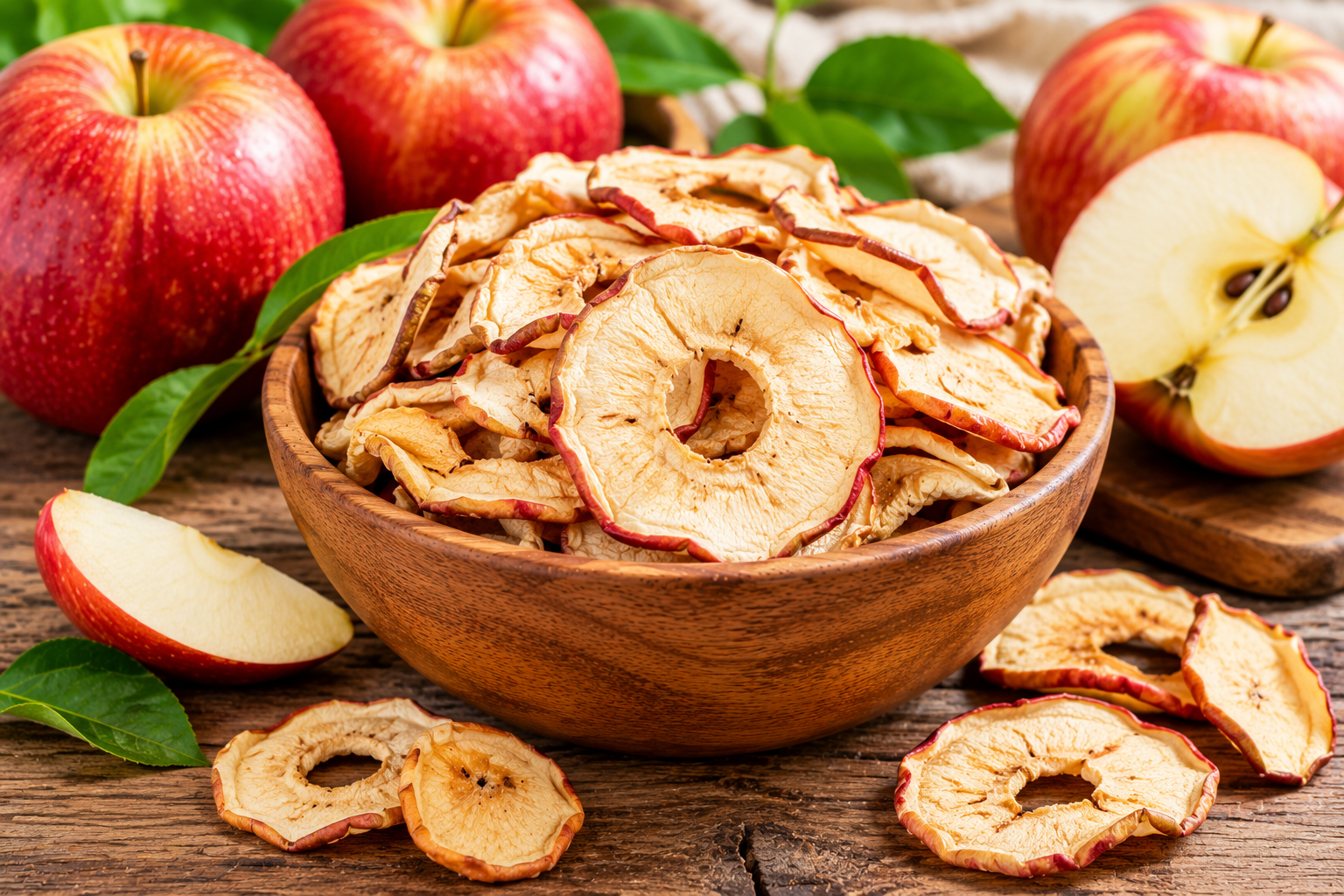
Dried apples are available in several forms, including apple rings, thin apple chips, diced apple pieces and apple powder. They can be enjoyed as snacks or used in breakfast cereals, trail mixes, bakery products and other food applications.
Some products contain added sugar, oils or preservatives, while others are made from apples alone. Checking the ingredients helps you choose a product that suits your preferences.
Nutritional Value of Dried Apple
Dried apples contain carbohydrates, dietary fiber and naturally occurring plant compounds. They may also provide small amounts of vitamins and minerals, depending on the apple variety and drying method.
Because drying removes water, dried apples generally contain more calories and natural sugars per 100 grams than fresh apples.
When comparing products, check the nutrition label for:
- Calories per serving
- Total sugars and added sugars
- Dietary fiber
- Ingredient list
- Serving size
Nutritional values vary with processing, moisture content and added ingredients, so use the manufacturer’s label for exact figures.
Top 5 Benefits of Dried Apple
1. Provides Dietary Fiber
Dried apples can contribute dietary fiber to your diet. Fiber supports normal digestive function, and adequate fiber intake is part of a balanced eating pattern.
2. Convenient Energy Source
Dried apples contain carbohydrates that provide energy. They are portable and convenient for work, travel, school lunches and outdoor activities.
3. Contains Antioxidant Compounds
Apples contain naturally occurring polyphenols and other plant compounds. Their amounts in dried products depend on the apple variety, processing and storage.
4. Easy to Include in Everyday Meals
Dried apples can be added to oatmeal, cereal, yogurt, trail mixes and baked goods. They offer a practical way to add fruit ingredients to different recipes.
5. Convenient to Store
Properly dried and packaged apples can have a longer shelf life than fresh apples. Keeping the package sealed and following the storage instructions helps maintain quality.
Nutrition tip: Choose unsweetened dried apples if you want to avoid added sugar. Remember that dried fruit is more concentrated by weight than fresh fruit, so portion size matters.
Types of Dried Apple Products
Dried Apple Rings
Circular slices with a chewy texture, suitable for snacking and lunchbox mixes.
Apple Chips
Thin apple slices dried or baked until crisp. Check the label to determine whether oil, sugar or flavorings have been added.
Diced Dried Apples
Small apple pieces used in cereals, granola, bakery products and trail mixes.
Freeze-Dried Apples
Apples processed using freezing and low-pressure drying. They are generally lightweight and crisp and can be used in snack mixes or food manufacturing.
Apple Powder
A powdered apple ingredient used in selected bakery products, beverage mixes and food formulations. Check the product specification for its composition and intended applications.
Dried Apple vs. Fresh Apple
| Feature | Dried Apple | Fresh Apple |
|---|---|---|
| Water content | Lower | Higher |
| Texture | Chewy or crisp | Juicy and firm |
| Calories per 100 g | More concentrated | Generally lower |
| Portability | Convenient | Can bruise |
| Storage | Often longer when properly packaged | More perishable |
| Common uses | Snacks, cereals and baking | Fresh eating, salads and cooking |
Both can fit into a balanced diet. The right choice depends on your dietary needs, preferred texture and intended use.
How to Use Dried Apples
Dried apples are versatile ingredients for home kitchens and commercial food production.
- Add chopped dried apples to oatmeal and breakfast cereal.
- Mix apple pieces with nuts and seeds for trail mix.
- Combine them with yogurt or granola.
- Use them in muffins, cookies, breads and cakes.
- Add them to selected savory dishes and stuffing recipes.
- Use suitable dried apple pieces in snack bars.
- Incorporate apple ingredients into commercial cereal and bakery products.
For recipes that require soft apples, dried pieces can sometimes be rehydrated according to the recipe instructions.
Dried Apple Price: What Affects the Cost?
The price of dried apples varies by country, product quality, processing method, packaging and order quantity.
Several factors affect the cost:
1. Processing method: Conventionally dried apple slices and freeze-dried apples have different production requirements and price points.
2. Apple variety: The variety, quality and origin of the raw apples influence the finished product.
3. Ingredients: Added sugar, oils, flavorings and preservatives may affect product formulation and cost.
4. Packaging: Small retail pouches, resealable bags and bulk food-grade packaging have different costs.
5. Order quantity: Wholesale buyers may receive different price tiers based on volume.
6. Shipping and storage: Transportation, handling and storage costs affect the final delivered price.
For accurate comparisons, request current quotations and compare the price per kilogram, ingredient list, product specifications and shipping costs.
How to Choose High-Quality Dried Apples
Before purchasing dried apples, consider these practical tips:
- Check the ingredients: Look for products that match your preferences regarding added sugar and other ingredients.
- Choose the right texture: Select chewy rings, crisp chips or diced pieces according to your needs.
- Inspect the packaging: Choose sealed, food-grade packaging that protects the product from moisture.
- Check the shelf life: Review the best-before date and storage instructions.
- Compare nutrition labels: Look at serving size, calories and sugars.
- Review supplier documentation: Commercial buyers should request product specifications and relevant food safety documents.
- Request samples: Evaluate flavor, texture and appearance before placing a large order.
Buying Dried Apples in Bulk or Wholesale
Businesses sourcing dried apples for retail, food manufacturing or distribution should compare suppliers on quality, specifications and total cost.
Before placing a wholesale order, ask suppliers about:
- Minimum order quantity
- Price per kilogram at different volumes
- Apple variety and country of origin
- Slice thickness and moisture specifications
- Added sugar and other ingredients
- Packaging sizes and private-label options
- Shelf life and storage conditions
- Relevant food safety documentation
- Sample availability and shipping costs
For importers and food manufacturers, compare the total delivered cost rather than the quoted product price alone.
Dried Apple Business Opportunities
Dried apples can be used in several food-related business models, including packaged snack brands, wholesale distribution, private-label products and ingredient supply.
Potential opportunities include selling dried apple snacks online, supplying retailers, creating custom trail mixes and supplying ingredients to bakeries or cereal manufacturers.
Businesses considering their own production facility should research raw material availability, drying capacity, energy consumption, labor, packaging expenses and food safety requirements.
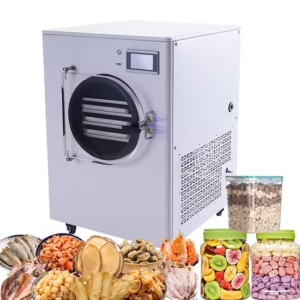
A commercial fruit dehydrator machine may be relevant for businesses planning to process apples themselves. Compare machine capacity, energy use, drying consistency, maintenance costs and after-sales support before investing.
Frequently Asked Questions
Are dried apples healthy?
Dried apples can be part of a balanced diet. They provide carbohydrates and fiber, but their calories and natural sugars are concentrated compared with fresh apples.
Are unsweetened dried apples better?
Unsweetened dried apples avoid added sugar. Whether they are the best choice depends on your preferences and dietary requirements.
How long do dried apples last?
Shelf life depends on moisture content, processing, packaging and storage. Follow the manufacturer’s instructions and best-before date.
What are dried apples used for?
They are used in snacks, trail mixes, breakfast cereals, bakery products and selected food formulations.
Where can businesses buy dried apples wholesale?
Potential sources include dried-fruit processors, exporters, food ingredient distributors and private-label manufacturers. Compare product specifications, samples, quotations and delivery terms.
Can dried apples be made at home?
Yes. Apples can be sliced and dried using suitable food-dehydration equipment or an oven following a reliable food-drying method. Proper drying and storage are essential for product quality.
Conclusion
Dried apples are versatile fruit products suitable for convenient snacking, cooking and commercial food applications. Understanding their nutrition, product types, processing methods and pricing can help consumers and businesses make informed purchasing decisions.
Whether you want unsweetened dried apple rings for home use or bulk dried apple ingredients for your business, compare labels, supplier specifications and total costs before buying.
For business buyers: Request samples and detailed quotations from multiple suppliers before committing to a large order.